No blown fuses at fairy-tale Dalhousie Castle: Four PEL113s confirm heating capacity

Elliot Ajose, Regional Sales and Technical Manager, Chauvin Arnoux UK

Dalhousie Castle Hotel and Spa recently faced a critical infrastructure question. They didn’t know whether there was sufficient headroom on the main incoming supply fuse to safely install 40 electric radiators and electric heated towel rails throughout the property.

The risk was significant. Any miscalculation could overload the incoming supply and compromise guest experience. Concerned that proceeding with the upgrade could jeopardise the hotel and spa’s day-to-day operations, the management team reached out to Alan Chan (electrical specialist).

Site Overview

Dalhousie Castle is just eight miles south of Edinburgh city centre in Scotland. This 13th-century fortress is widely regarded as Scotland’s oldest continuously inhabited castle. It operates today as a hotel with 35 individually en-suite bedrooms and five function rooms/conference suites. On some occasions, it runs at full capacity, making it more important to determine whether the existing electrical capacity is sufficient for guest rooms, functions, and hotel operations.

The Challenge

The incoming supply was fused at 400 amps per phase and had been operating without issue for years. However, the hotel and spa had no visibility of their actual current consumption. That’s why they were uncertain about how much of the existing capacity was already in use.

The additional load from the proposed upgrade was considerable: 35 bedrooms at 1.5 kW each, 35 en-suite heated towel rails at 500 W each, five conference and function room radiators at 1.5 kW each, and a new commercial kitchen. This was a combined additional load of approximately 86.5 kW.

How the Challenge Was Addressed

Alan contacted Chauvin Arnoux UK to obtain four PEL113 Power and Energy Loggers for deployment across the site. As only current consumption needed to be logged, no voltage connections or exposure to live circuits was required.

Installation was straightforward. Flexible current sensors were looped around the meter tails, with one logger at the main incoming supply and the other three at downstream consumer units.

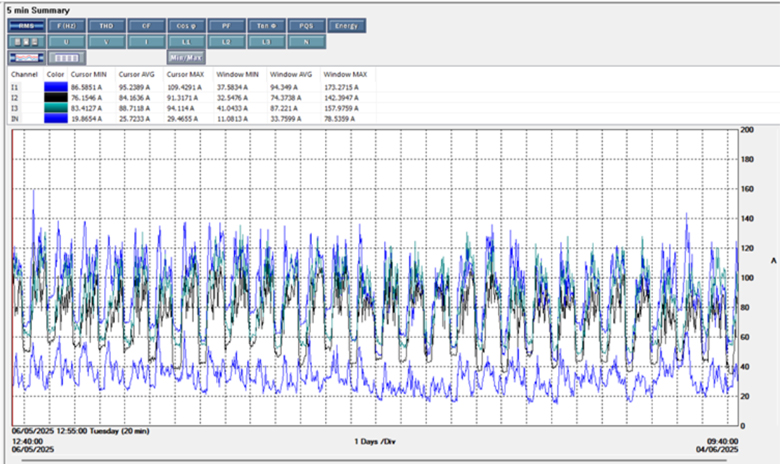
The loggers were set up on site for one week before retrieval. Data was downloaded to the PEL Transfer software. Five-minute aggregated readings from the main supply showed peak currents of 173A on L1, 142A on L2, and 157A on L3.

With the incoming supply rated at 400A per phase, the maximum recorded demand was well below half the fuse rating.

The Solution

Armed with a seven-day current log obtained from the four PEL113 power and energy loggers, Alan confirmed that the existing incoming supply had more than enough headroom to accommodate a new electric heating system across all 35 bedrooms, along with heated towel rails in every en-suite bathroom.

He provided the data as evidence. This meant that the Distribution Network Operator (DNO) did not require an upgrade to the supply. This also helped the hotel avoid a costly and disruptive intervention and allowed the project to move forward with minimal impact on hotel operations.

This is one of many cases where power and energy loggers prove their value in load expansion projects. Whether measuring maximum demand, identifying voltage excursions, investigating harmonics, or assessing other supply parameters, Chauvin Arnoux PELs provide reliable data to support informed, cost-effective decisions. They also deliver accurate measurements, giving engineers and clients the confidence to move ahead.


This article appeared in the May 2026 issue of Energy Manager magazine. Subscribe here.

The Two Sides of Solar Safety and How to Get Them Both Right

As solar systems grow more advanced and connected, both physical risks and cybersecurity vulnerabilities must be pre-empted and managed to ensure safe and efficient operation says Christelle Barnes, UK Country Manager at SolarEdgeTechnologies.

As solar system technology becomes more advanced and widely adopted, it is fundamentally reshaping the way energy is produced. However, with innovation comes complexity and a range of safety challenges that extend beyond fire prevention. Understanding how to mitigate these risks โ€“ from electrical hazards to emerging cybersecurity vulnerabilities โ€“ is vital for protecting people, property and energy infrastructure.

Best Practice for Physical Protection

Letโ€™s start by looking at physical safety. With millions of systems installed worldwide, solar PV is proven to be a safe, reliable technology. Commercial infrastructure fires can be caused by many things, including electrical malfunctions in factory machinery or even lightning. While fires stemming from solar PV systems are rare, it is important to thoroughly evaluate the safety of any existing or planned installations, particularly when selecting or upgrading system components.

When a building fire is found to originate from a solar PV system, causes may include installation error or improper maintenance. To support safer installations, many technology providers invest in ongoing training. For example, SolarEdge has trained over two thousand professionals in the UK in the last year alone. However, even when installations are flawless, external factors beyond anyoneโ€™s control, such as an animal chewing through a cable, can introduce faults. It is at this point that component selection becomes key.

To mitigate potential physical solar safety risks, it is important to understand how these systems work. The main components are PV panels and inverters. The panels generate electrical power by converting solar radiation into direct current (DC). Inverters then convert the DC power to alternating current (AC) used to power homes and businesses.

As long as the sun is shining, solar panels and cables remain energised with high DC voltages, even if the main circuit breaker is shut off. In the event of a fire, firefighters typically disconnect the grid supply before intervening, assuming there is no risk of electrocution once the grid has been disconnected. However, this assumption is not true in the case of a typical PV roof system, as the system is creating its own electricity independent of the grid.

Traditional string inverters typically have limited safety functionality since they do not necessarily reduce the DC voltage when switched off. To meet safety standards, additional hardware may need to be purchased, increasing cost and labour. Due to this and other limitations, we have seen a notable shift away from traditional string inverters in favour of advanced systems that leverage DC-optimisation. These systems split the functionality of a traditional string inverter and use Power Optimizers placed directly onto panels to monitor performance in real time. This not only optimises energy production and system design, but it also improves safety through embedded safety features.

There are two safety features in particular to look out for when choosing an inverter. The first is SafeDC. This is a module-level safeguard which automatically reduces the output voltage of solar arrays to a touch-safe level to provide safe roof access to firefighters and maintenance teams.

The second is arc fault detection and prevention. Although rare, arc faults can be triggered by issues like false trips or loose connections and may result in heat build-up that, if undetected, could cause an arc fault to develop. DC-optimised systems monitor terminal blocks for abnormal heat buildup, quickly identifying the source and isolating it to prevent escalation.

Safeguarding Solar from Cyber Threats

It is a sign of the times that solar safety concerns now extend beyond fire hazards to include cybersecurity.

High-profile cyberattacks on companies like HMRC and Marks & Spencer, although not related to solar, demonstrate how internet-connected systems can serve as entry points into wider networks if not properly protected. Modern solar inverters, connected for remote monitoring, software updates and participation in demand response services, are no exception.

While this connectivity unlocks significant value, it also introduces risk. Fortunately, UK regulation is beginning to catch up. The UKโ€™s Product Security and Telecommunications Infrastructure (PSTI) Act, introduced in 2024, sets out minimum cybersecurity standards for connected devices. This includes requiring strong, unique passwords and better protection of user data. Additional frameworks, such as the EUโ€™s Radio Equipment Directive (RED) and NIS2 Directive, are expected to influence UK policy in the near future.

In this rapidly changing landscape, it is important to stay ahead of regulatory changes by choosing technologies that meet both current and future standards. Selecting inverters equipped with encrypted communication and strong authentication should be a fundamental part of this process.

For more information, visit: www.solaredge.com/uk.


This article appeared in the May 2026 issue of Energy Manager magazine. Subscribe here.

Bringing Flexibility in from the Coldย 

Jamie Hillis, Flexitricity

NESO has been clear: the grid needs flexibility. And it needs industrial flexibility at scale. 

Step into any cold store and you are stepping into one of the most energy intensive environments in the modern supply chain. These sites keep our food safe, stabilise global pharmaceutical logistics, and quietly underpin the UKโ€™s cold chain economy. 

Quietly being the operative word. 

Because while cold stores are essential, operating them is becoming anything but straightforward. Electricity prices remain volatile. Policy is evolving quickly. And the pressure to balance cost, compliance and sustainability is only increasing. 

Even as we move toward Clean Power 2030, NESO is forecasting a rise in constraint events as more distributed renewable generation connects to the grid. More clean energy is a good thing. Managing when and how it is used is where it gets interesting. 

Across the cold chain, the energy dilemma is clear. But so is the opportunity. 

Electricity accounts for roughly 32% of operating costs, often making it the single largest overhead to manage (1). Fixing tariffs can bring certainty, but it can also mean missing out on the upside. At the same time, cold storage sits firmly in the ESG spotlight, with impacts across Scope 1, 2 and 3 emissions. 

NESO is increasingly recognising the role flexibility can play here. Shifting consumption away from carbon intensive periods is not just good for the grid. It is becoming part of how businesses demonstrate real, measurable progress. 

In a world where competitive advantage comes in many forms, optimising energy use is no longer a nice to have. It is part of the job. 

There are also reasons to be optimistic. 

  • 29% of UK cold stores now have onsite renewable energy, up from 2023. These assets are not just about generation. They open the door to smarter consumption, where businesses can align usage with output and unlock more value from what they already have. (1)ย 
  • At the same time, the industry is rethinking temperature standards. A potential shift from -18ยฐC to -15ยฐC might sound minor, but a 3ยฐC adjustment is anything but. It reduces costs and creates real headroom for demand flexibility, without compromising product integrity or compliance. (1)ย 

This is where cold stores come into their own. 

Their thermal inertia allows operators to maintain temperature while shifting electrical load, something offices, factories and data centres simply cannot do. 

It is a rare capability, and a valuable one for both the grid and the businesses that can harness it. 

The challenge is turning that capability into something tangible. It does not have to be. 

FlexGO by Flexitricity is designed to make flexibility simple. It opens up access to ad hoc flexibility markets, creating a clear route to revenue without adding operational complexity. 

By intelligently adjusting when energy is used, whether to better align with renewable generation or take advantage of lower prices, businesses can reduce costs and unlock new income streams. 

With the right monitoring and control in place, cold stores can safely reduce load at the right moments, supporting the grid and generating revenue, all without compromising product safety. 

It is a practical way to turn flexibility into something tangible. And importantly, it aligns with emerging policy and supports credible ESG reporting. 

Flexibility is not a disruption. It is an upgrade. 

With FlexGO, businesses can: 

  • Earn new revenueย ย 
  • Reduce costs without changing how theyย operateย day to dayย ย 
  • Strengthen ESG performance and move closer to Net Zeroย ย 

If flexibility has felt theoretical until now, this is where it becomes real. 

Learn more atย FlexGO.energy.ย 

www.flexitricity.com

(1) Cold Chain report 2026 


This article appeared in theย May 2026ย issueย of Energy Manager magazine. Subscribeย here.

Heat networks help to solve grid capacity issuesย ย 

With the Future Homes Standard now in place, the UKโ€™s electricity grid is facing significant capacity challenges as the country moves closer to its 2050 net-zero goal. Multi-utilities expert, Power On, is urging the industry to consider specifying heat networks, particularly in the context of high-rise and high-density urban settings, to help with grid capacity issues, whilst also providing a low-carbon heating solution.ย ย ย 

Electrification is a central pillar of the country’s decarbonisation strategy but this brings with it challenges of grid capacity. Power On is championing the use of technologies like Networked Ground Source Heat Pumps (NGSHPs), Community Heat Hubs (CHHs), and smart thermostats, to help mitigate the challenges of electrification. While supporting grid stability, these also ensure that developments comply with the latest regulations, including the Part L Building Regulations, the Future Homes Standard, and OFGEM rules, alongside legislation like the Building Safety Act 2022. 

Neil Fitzsimons, Managing Director, Power On, says: โ€œThe housing sector is rightly moving from fossil-fuel-based heating systems to low-carbon electrified alternatives. However, these still need to be powered and this is placing significant pressure on the National Grid.โ€ 

Forecasts suggest that electricity demand could double by 2050, largely driven by the widespread adoption of electric vehicles (EVs) and heat pumps. This increased demand comes as the UK phases out fossil-fuel-based generation in favour of renewables like wind and solar. While these sources are environmentally friendly, they are also variable, requiring careful management of supply and demand to ensure grid stability. 

Heat networks provide the solutionย 

Networked heating solutions, providing heat from large-scale ground- or air-source heat pumps to bring heat and hot water to entire communities, are some of the most efficient low carbon solutions for new residential developments. These use far less electricity that traditional electric heating systems.  

With thermal storage capabilities โ€“ drawing power during off-peak times โ€“ heat networks are a key technology in reducing reliance on the grid during peak periods, which is crucial as demand for electricity continues to rise. Reducing grid strain makes them an invaluable tool in balancing energy distribution and supporting grid resilience. 

Smart thermostats enable energy managementย 

The integration of smart thermostat technology, designed to work seamlessly with heat networks, offers users real-time insights into their energy consumption, empowering residents to monitor and adjust their heating systems for maximum efficiency.  

For developers, smart thermostats offer a competitive advantage by future-proofing new homes and making them more attractive to eco-conscious buyers. As the energy landscape evolves, these systems can adapt to integrate with renewable energy sources, support demand-response initiatives, and accommodate future upgrades. By managing energy demand and reducing consumption, these thermostats play a vital role in supporting grid stability and helping the UK achieve its decarbonisation goals. 

Neil Fitzsimons concludes: โ€œBy leveraging innovative technologies such as Networked Ground Source Heat Pumps, Community Heat Hubs, and smart thermostats, the industry can empower developers to create homes that are energy-efficient, environmentally sustainable, and built for the future. Solutions should not only support the decarbonisation of the housing sector but also ensure that new developments remain safe, resilient, and aligned with the UKโ€™s broader energy and regulatory goals.โ€  

Rinnai in Malta โ€“ quality products & service, first time every time

Energy Savings Solutions of Malta, headed by Franco Bileci, the sole suppliers of Rinnai heating & continuous flow hot water heating products, are approaching their 20th anniversary of successful trading on this jewelled island. In that time, the company has supplied and installed products and systems to thousands of sites, in domestic homes and also in all types of commercial sites such as hotels, holiday homes & villas, healthcare and nursing homes.

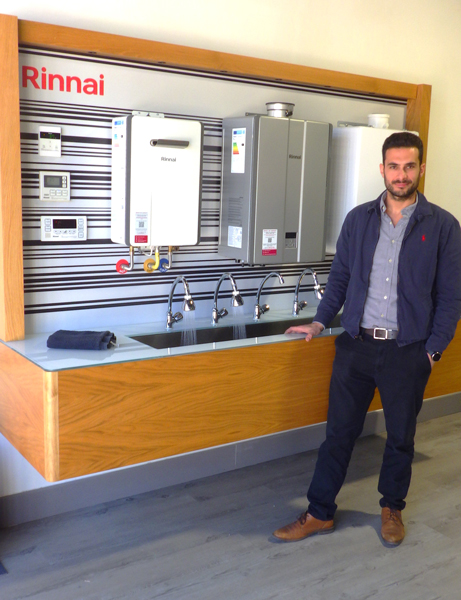
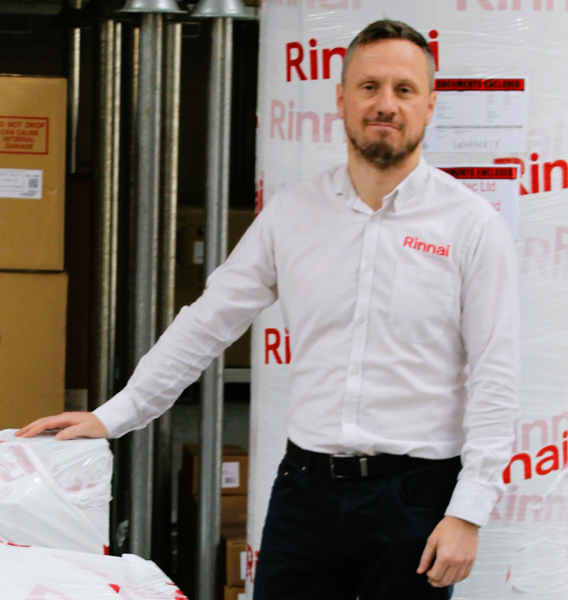
Franco Bileci

Energy Savings Solutions was founded in 2007 by Franco after a family connection in Australia suggested that the Rinnai product range might be suited to Malta.

โ€œIt became quickly apparent that the best way of progressing the business and provide long term customer satisfaction was to ensure that his company also carried out the installations. That dedication of Quality first time, every time to products and services carries on to present times,โ€ says Franco Bilieci.

He adds, โ€œCommercial & Domestic hot water in Malta is delivered by three main sources – LPG powered continuous flow units; solar water heaters (Malta has 300 days of strong sunshine per year); electric immersion heaters, more recently, heat pump water heaters are also becoming popular, supported by government grants.โ€

Mr Bileci continues with this analysis adding, โ€œCommon systems on Malta include: 

  • Continuous Flow Gas Heaters: Bottled LPG units are highly popular for instant hot water, particularly in many parts of the island which have storage space. 
  • Solar Thermal Systems: Prevalent on rooftops, offering 50โ€“80% of hot water demand, with electric backups.
  • Heat Pump Water Heaters (HPWH): Highly efficient systems (400%+ efficiency compared to electric resistance) that extract heat from the air.

โ€œKey Considerations in Malta are as follows-

  • Government Grants: The government frequently provides subsidies for installing solar thermal or heat pump water heaters to boost renewable energy use.
  • Hard Water: The high mineral content in Malta’s water requires regular maintenance for all water heating systems to prevent limescale buildup.
  • Energy Efficiency: Given the high cost of electricity, heat pumps and solar are preferred for long-term savings. Many homes in Malta use a combination system with back-up support such as continuous flow or electric. 

The island of Malta has a very specific set of climatic and geological conditions โ€“ it only harvests about 50% of its water via natural means such as rainfall or wells & bore holes and the rest of it comes by desalination plants.

โ€œWater quality needs constant attention. This means that we need to take this into account with each installation. And the island is almost entirely built on limestone, which adds to these peculiarities,โ€ says Franco.

Fuel is another moot point on the island – it comes in the form of electricity purchased from nearby Sicily and LNG-Liquified Natural Gas. There is a huge sea terminal and storage facilities catering for the LNG supplies at the port of Marsaxlokk, just southwest of the capital Valletta.

โ€œAll sites with Rinnai units use bottled gas and all have a system of changeover, so they don’t run dry. To the outsider it is reasonable to expect that solar power would be a major source of energy, but it isn’t. At the moment the Government is not really promoting it through any real incentives. And the schemes in place are very complicated so there is little enthusiasm for making it work on a major scale. But Malta is not the only place in the world with some eccentricities!โ€ says Franco.

โ€œTo us it is extremely interesting that Rinnai UK is now offering a huge range of appliances in system configurations with a choice and combination of fuels โ€“ Natural Gas, LPG, BioLPG, Hydrogen-blend, and electric in heat pumps, solar heating, all able to be bespoke designed by a specialist design team into a unique-to-site solution which is practical, economic and technically proficient.

Although domestic sites still take up the vast majority of Francoโ€™s business, he is rapidly developing the commercial side also. All commercial sites also use bottled gas – one such installation is in a nursing home catering for several hundred patients and staff. Here Franco has installed 3 x 1600i N Series, along with calorifiers.

โ€œThis site has a plant room,โ€ says Franco,โ€ which is convenient for the installation as it has the room for a dedicated space. In other sites, especially hotels, they do not want to give up space that can be earning them money through letting more bedrooms for guests. At hotels the installation and bottled gas storage tends to almost always be on the rooftop. It is very awkward for the delivery men but carrying gas bottles, two at a time, it helps them get very fit!โ€

โ€œOne hotel customer โ€“ has 35 rooms, open all year and with an occupancy rate approaching 90% – has 2 x Rinnai 1600e units.  They only really use one unit, the other is back-up as they simply don’t want the problems of not providing hot water to guests.

โ€œButโ€ adds Franco, โ€œwe are also looking at designing and installing a Hybrid system, utilising one of the Rinnai Low GWP heat pumps at a hotel undergoing a major refit. He adds, โ€œThe owner is keen to minimise energy costs on heating hot water but not at the expense of quality and all the other benefits a Rinnai system offers – durability, dependability, cost efficiency.

โ€œRinnai offers constant and consistent flow rates, plus temperature accurate delivery on demand. A stored system would struggle to cope with the peak demands. The Rinnai product range is valued and perceived on the island as being a product of excellence delivering a premium performance to each and every site.

Franco has numerous installations of Rinnai H1 BioLPG ready water heaters and is now looking forward to H2 hybrid solutions of Solar Thermal & Heat Pumps and H3 advanced Heat Pumps technology.  

Malta is a busy, prosperous island of almost half a million population with huge amounts of inward investment in financial services, tourism and gaming – and it is home to serious amounts of super yachts and cruise ships. Against this background Franco Bileci looks to expand his business with measured progress so that each and every customer of Energy Saving Solutions has both product and service excellence.

************************************************************************

RINNAIโ€™S H3 DECARBONISATION OFFERS PATHWAYS & CUSTOMER COST REDUCTIONS FOR COMMERCIAL, DOMESTIC AND OFF-GRID HEATING & HOT WATER DELIVERY  

www.rinnai-uk.co.uk/about us/H3 

Rinnaiโ€™s H3 range of decarbonising products include hydrogen / BioLPG ready technology, hybrid systems, and a wide range of LOW GWP heat pumps and solar thermal. Also, within Rinnaiโ€™s H3 range is Infinity hydrogen blend ready and BioLPG ready continuous flow water heaters which are stacked with a multitude of features that ensure long life, robust & durable use, customer satisfaction and product efficiency. 

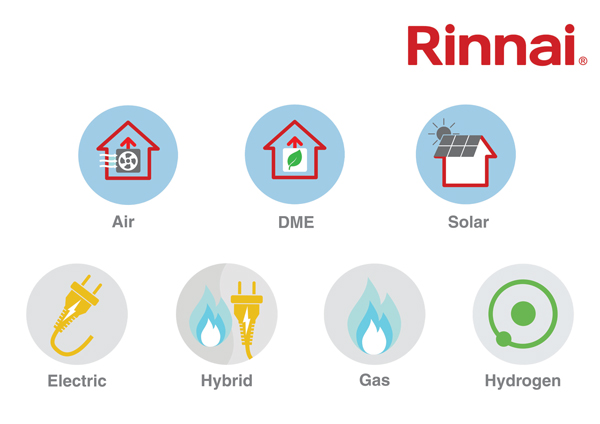
Rinnaiโ€™s range of decarbonising products – H1/H2/H3 – consists of heat pump, solar, hydrogen in any configuration, hybrid formats for either residential or commercial applications. Rinnaiโ€™s H3 range of products offer contractors, consultants and end users a range of efficient, robust and affordable decarbonising appliances which create practical, economic and technically feasible solutions. The range covers all forms of fuels and appliances currently available – electric, gas, hydrogen, BioLPG, rDME solar thermal, low GWP heat pumps and electric water heaters. 

Rinnai H1 continuous water heaters and boilersโ€ฏoffer practical and economic decarbonization delivered through technological innovation in hydrogen and renewable liquid gas ready technology. 

Rinnaiโ€™s H1 option is centred on hydrogen, as it is anticipated that clean hydrogen fuels will become internationally energy market-relevant in the future; Rinnai water heaters are hydrogen 20% blends ready and include the worldโ€™s first 100% hydrogen-ready hot water heating technology. 

Rinnai H2 โ€“ Decarbonization simplified with renewable gas-ready units, Solar Thermal and Heat Pump Hybrids.  Rinnai H2 is designed to introduce a practical and low-cost option which may suit specific sites and enable multiple decarbonisation pathways with the addition of high performance. 

Rinnai H3 โ€“ Low-GWP heat pump technology made easy – Rinnai heat pumps are available for domestic and commercial usage with an extensive range of 4 – 115kW appliances.  

Rinnaiโ€™s H3 heat pumps utilise R32 refrigerant and have favourable COP and SCOP. 

Rinnai is a world leading manufacturer of hot water heaters and produces over two million units a year, operating on each of the five continents. The brand has gained an established reputation for producing products that offer high performance, cost efficiency and extended working lives. 

Rinnaiโ€™s commercial and domestic continuous flow water heaters offer a limitless supply of instantaneous temperature controlled hot water and all units are designed to align with present and future energy sources. Rinnai condensing water heaters accept either existing fuel or hydrogen gas blends. Rinnai units are also suited for off-grid customers who require LPG and BioLPG or rDME. 

Rinnai products are UKCA certified, A-rated water efficiency, accessed through multiple fuel options and are available for purchase 24/7, 365 days a year. Any unit can be delivered to any UK site within 24 hours. Rinnai offer carbon and cost comparison services that will calculate financial and carbon savings made when investing in a Rinnai system. Rinnai also provide a system design service that will suggest an appropriate system for the property in question. Rinnai offer comprehensive training courses and technical support in all aspects of the water heating industry including detailed CPDโ€™s. More information can be found on Rinnaiโ€™s website and its โ€œHelp Me Chooseโ€ webpage. 

Visit www.rinnai-uk.co.uk or email engineer@rinaiuk.com  

 For more information on the RINNAI product range visit www.rinnaiuk.com


This article appeared in the May 2026 issue of Energy Manager magazine. Subscribe here.

Energy efficiency is limited by electrical infrastructure: What Energy Managers need to identify early

Energy efficiency projects rarely fail because the technology was wrong. In practice, they fail because the electrical infrastructure feeding that technology was never assessed against the load it would actually carry. The system gets commissioned. Performance falls short. The investigation that follows looks at controls, equipment settings, and procurement decisions, while the actual constraint goes unexamined.

Electrical capacity, distribution architecture, and load interaction between systems do not appear on most energy audits. They sit underneath the consumption picture. When an upgrade runs into them, the project does not stop cleanly. It stalls, scopes get revised, and costs increase at the stage when there is least room to absorb them.

Energy managers who treat electrical infrastructure as a pre-investment variable, rather than a delivery problem, avoid a category of risk that is entirely predictable once you know where to look.

The Hidden Constraint: Electrical Infrastructure

An energy efficiency strategy typically focuses on consumption. What is being used, where it is being wasted, and what technology can reduce it. What that analysis frequently omits is whether the existing electrical infrastructure can support the proposed changes in load.

Capacity limits, distribution constraints, and load conflicts between systems do not surface in energy audits. They become visible when a project places new demand on infrastructure that was never sized to carry it. At that point, the efficiency measures that cleared every approval stage are working against a ceiling they cannot break through.

This is not a marginal problem. The UK Net Zero Carbon Buildings Standard, published in March 2026, identifies actual energy consumption as frequently twice the level predicted at the design stage. That gap has multiple causes, but infrastructure constraints that were never assessed before investment was committed are a consistent and underreported contributor.

Every efficiency measure, every electrification upgrade, every additional load added to a building draws from the same fixed electrical supply. In many projects, that supply has never been mapped against projected demand. That gap is a common constraint, and it is one that surfaces late when it should have been identified early.

Where Electrical Infrastructure Is Underestimated

Electrical infrastructure constraints do not present themselves uniformly. They surface differently depending on the project type, the building stock, and the combination of systems involved. The following contexts produce the most recognisable patterns, drawn from electrical contractor experience across commercial and mixed-use environments.across commercial and mixed-use environments.

Retrofits

Buildings in continuous use for decades carry electrical systems sized for original loads. Distribution boards, cable ratings, and supply capacity were specified against a demand profile that predates current equipment and occupancy patterns. When a retrofit introduces new systems without an infrastructure assessment, the available headroom is often smaller than the project plan assumes.

In many projects, the result is not a failure but a ceiling. The upgraded equipment performs as specified. The building does not respond as modelled. The gap is attributed to commissioning or occupancy variables rather than the electrical constraint that was present before work began.

Public-Sector Estates

In public-sector buildings, infrastructure condition frequently does not reflect what documentation suggests. Deferred maintenance, ageing building stock, and capital budget constraints mean the electrical baseline is often worse than assumed at the scoping stage. This is a common constraint across local authority, education, and NHS estates, and one that is largely avoidable when infrastructure condition is treated as a pre-investment question.

The procurement process compounds this. Programmes are typically approved and contracted before a detailed infrastructure assessment has been completed. Discoveries made during delivery cannot be absorbed without variation orders, revised programmes, and, in some cases, a fundamental reassessment of what the project can deliver within the original budget.

Electrification

EV charging and heat pump installation are treated as technology decisions when they are equally infrastructure decisions. Research published by the University of Oxford, examining real-world heat pump deployment in retrofitted UK social housing, found that peak daily electricity demand increased by 23% following installation, concentrated in the evening period when building systems are already under load.

In practice, supply infrastructure that was not assessed against that peak before commitment will either require unplanned upgrades or force load limitations that undermine the electrification objective. For EV charging across commercial estates, the capacity gap frequently does not surface until a DNO application makes it visible.

Multi-System Upgrades

HVAC, lighting, and building controls upgraded within a single programme are typically assessed individually. The combined load profile that results from running all three simultaneously is assessed less often.

Systems that appear viable in isolation compete for the same electrical headroom when operating concurrently. Efficiency gains projected on a per-system basis do not stack as expected. The shortfall is difficult to diagnose without returning to an infrastructure assessment that was never completed.

When Infrastructure Assessment Comes Too Late

Electrical infrastructure constraints tend to announce themselves at the worst possible stage of a project. The patterns below are not edge cases. They are consistent outcomes when infrastructure assessment is treated as a delivery task rather than a pre-investment one.

Upgrades Deliver Partial Efficiency Gains Only

The project completes on programme. Equipment is commissioned and performing within specification. The efficiency gains reported at the three or six month mark fall short of projections, and the gap is difficult to explain to the stakeholders who approved the investment.

In many cases, the cause is a distribution bottleneck or capacity constraint that was present before the first contractor mobilised. The upgraded systems are drawing against an infrastructure ceiling that was never identified. The technology is not underperforming. It is operating within limits that the project never assessed.

Projects Stall After Infrastructure Review

A DNO application, a commissioning issue, or a late-stage electrical survey triggers an infrastructure review that was not planned at the outset. The review identifies capacity or distribution constraints that fall outside the original project scope.

At that point, the programme pauses while options are evaluated. Revised scopes are drafted. Stakeholder expectations are managed. In practice, the same assessment completed before investment was committed would have taken the same amount of time and produced the same findings, at a stage when acting on them was still straightforward.

Late-Stage Electrical Upgrades Inflate Budgets

Infrastructure constraints identified after procurement is complete and contractors are mobilised are priced under delivery pressure. That is the least favourable condition for cost control on any project.

The remedial electrical works required are rarely complex. Identified at the design stage, they would have been a planned and competitively priced element of the scope. Identified during delivery, they become a variation. This pattern is consistent across commercial electrical upgrades of varying scale. The sequencing of infrastructure assessment relative to investment commitment is where outcomes diverge. to investment commitment is where outcomes diverge.

What Energy Managers Should Check Early

The following indicators do not require a full electrical survey to assess. They are the questions that should be answered before an energy upgrade programme is scoped and costed.

Available capacity against projected load. Establish what the proposed upgrades will add to peak demand, not just average consumption. Compare that figure against confirmed available capacity at the point of supply before any design work is finalised.

Panel and distribution condition. Identify the age, current loading, and spare capacity for additional circuits on existing distribution boards. A panel that is already operating close to its rated capacity has no headroom for additional circuits without an upgrade.

Redundancy and future scalability. Assess whether the infrastructure can absorb a second phase of upgrades without full remediation. Projects that are not designed with scalability in mind return to the same infrastructure problem at the next phase of investment.

Interaction between systems being upgraded simultaneously. Model the combined load profile of concurrent upgrades, not just individual systems in isolation. HVAC, lighting, and controls running simultaneously will draw against the same supply. That combined profile needs to be assessed as a single picture.

The Strategic Shift

Electrical infrastructure is not a technical footnote to an energy efficiency programme. It is a primary constraint that determines whether the programme can deliver what it promises.

The assessment question is not complicated. What load will the proposed upgrades add, and can the existing infrastructure carry it? That question is straightforward to answer at the design stage and expensive to answer during delivery.

Energy managers who bring infrastructure assessment into the pre-investment process are not adding complexity. They are removing the category of risk that most commonly causes efficiency programmes to underperform, stall, or exceed budget. The sequencing is the intervention.

Getting the Sequence Right

Energy efficiency investment that runs into electrical infrastructure constraints mid-delivery does not fail because the technology was wrong or the ambition was unrealistic. It fails because a solvable problem was assessed at the wrong stage.

The infrastructure question does not change depending on when it is asked. The cost of answering it does. Addressed before investment is committed, it is a design input. Addressed during delivery, it is a problem.

Energy managers who treat electrical infrastructure as a pre-investment variable rather than a delivery concern are making the decision that most directly determines whether an efficiency programme delivers what it promises.

Authorโ€™s Bio:

Veselina Lezginov is a copywriter supporting Arrow Electric, specializing in translating the expertise of licensed electricians into clear, practical insights for homeowners. She focuses on turning real-world service experience and day-to-day electrical challenges into accessible, informative content that helps readers make safer and more informed decisions.


E-methane: What it is – and will it become UK & EU market relevant?

Chris Goggin

Chris Goggin explains what E-methane is, how it is produced and its potential relevance inside the UK alternative gasses market. An informed synopsis of the progress that e-methane is making in becoming relevant will be used to highlight how e-methane can contribute towards carbon reduction aims.

A range of alternative energies that include renewables, hydrogen and clean electrification can potentially replace fossil fuels in UK and EU grid systems. E-Methane is a relatively new candidate that has been identified as an additional low carbon gaseous alternative capable of performing the same role as fossil fuels.

The importance of synthetic gasses has been elevated since the current Iran conflict. As natural gas costs are expected to rise sharply this year, economies across Europe could begin searching for cheaper gasses thar are capable of fulfilling the role of fossil fuels without emitting carbon output.

E-methane is the abbreviated name given to electro-methane, a gas which is created by extracting captured carbon dioxide and blending with green hydrogen, itself produced via renewable energy.

The number of e-methane production plants across Europe and Australia is notably increasing. Danish energy supplier, Andel, and Danish biogas company, Nature Energy, have invested DKK 100 million in constructing and operating an e-methane plant located in Glansager, Denmark.

Although not relevant to the UK and EU energy markets, Australia is the chosen location of three Japanese energy entities who are exploring e-methane production possibilities. Tokyo Gas, Toho Gas, Osaka Gas Australia (OGA) alongside Australian oil and gas company Santos have entered into an agreement that will focus on producing 130,000 tonnes of e-methane annually. This international collaboration highlights the emerging potential of e-methane.

E-methane is 1 of 14 priorities that the Japanese governmentโ€™s Green Growth Strategy has highlighted as a major component towards Japanese decarbonisation objectives.

Finnish energy company Nordic Ren-Gas Oy is developing a Power-to-Gas project located in Tampere, Finland. The production facility will manufacture hydrogen and e-methane as well as provide power for local district heating sourced through waste heat. Nordic Ren-Gas Oy are actively seeking to introduce a decentralised e-methane production network throughout Finland that assists in reducing fossil fuel usage.

Several noteworthy e-methane producing plants have been constructed in Germany aiming to anticipate greater inclusion inside of domestic clean energy strategies. Germany is considered a leader in this field of expertise and has constructed 14 e-methane installations as of 2024. 

One of which is the Atlantis plant located in Werlte, Lower Saxony. To acquire this project, the operator Hy2gen raised โ‚ฌ200 million in 2022 and an additional โ‚ฌ47 million in April 2025. This funding assisted Hy2gen in their aim of constructing a portfolio of power-to-gas projects. The Atlantis project formed part of the strategy. This facility now produces both green hydrogen and e-methane.

A further example of e-methane becoming a viable carbon neutral gas solution is demonstrated by German companies Turn2X, Siemens and Atmen collaborating to construct and bring into operation a renewable gas plant that produces e-methane from green hydrogen and biogenic CO2. The project is located in Miajadas, Spain.

E-methane is remarkably like biomethane which is produced in a separate process โ€“ methane is captured from natural biological waste and forms during a natural process called โ€˜anaerobic digestion.โ€™  In the absence of oxygen microorganisms will begin to break down matter yielding a gas – methane. Once impurities are removed the methane gas becomes upgraded and biomethane is created.

Both biomethane and e-methane are capable of identical operating behaviour when compared to fossil fuels and can therefore be placed into existing infrastructure. Biomethane and e-methane can immediately fulfil the role of fossil fuels without any fracture towards appliance operating efficiency, commercial activity, or societal cohesion.

E-methane and biomethane are potential fuels that can be used in off-grid applications also. The UK off-grid fuel market is a growing economic entity and is also a hard-to-decarbonise section of society. The UKโ€™s gas grid network extends to 84% of UK households. Of the remaining 16%, 2 million properties are rural off grid homes and require daily fuel and power.

Off grid fuels, synthetic gasses and biogas are areas in which growth is expected to rise steadily through the up-and-coming decade.

European and the Asia-Pacific regions are refining strategies that centre on the production and distribution of e-methane and are confident that commercial sales will follow.

Biogas and synthetic gasses such as BioLPG, LPG, e-methane and Biomethane could play a discernible role in the global pursuit of clean energy. Current UK and European off grid gas markets maintain an upward trajectory.

Potential usage of alternative gasses can only increase as climate aims time limits recede, meaning that any gas capable of operational capabilities and behavioural similarities to natural gas will instantly be viewed favourably due to current infrastructure and natural gas reliance.

As the continued pursuit of low carbon energy sources continues both BioLPG and e-methane are promising variants on the road to carbon neutrality in both off grid and traditionally domestic applications in the UK and Europe.

To learn more about renewable fuels and technologies follow our free newsletter at https://www.rinnai-uk.co.uk/contact-us/newsletter-sign

Rinnai follows all domestic and international developments in current and future energy information. Doing so, provides potential customers with a solid foundation of information that assists product purchase.

Any news relating to appliance or energy options that is shaped by legislation will be immediately shared with UK customers. Access to information that affects customer judgment is an area that is Rinnai values.

************************************************************************

RINNAI OFFERS CLEAR PATHWAYS TO LOWER CARBON AND DECARBONISATION PLUS CUSTOMER COST REDUCTIONS FOR COMMERCIAL, DOMESTIC AND OFF-GRID HEATING & HOT WATER DELIVERY

www.rinnai-uk.co.uk/aboutus/H3

  • Rinnaiโ€™s range of decarbonising products – H1/H2/H3 – consists of hot water heating units in gas/BioLPG/DME, hydrogen ready units, electric instantaneous hot water heaters, electric storage cylinders and buffer vessels, a comprehensive range of heat pumps, solar, hydrogen-ready or natural gas in any configuration of hybrid formats for either residential or commercial applications. Rinnaiโ€™s H1/2/3 range of products and systems offer contractors, consultants, and end users a range of efficient, robust, and affordable low carbon/decarbonising appliances which create practical, economic, and technically feasible solutions.
  • Rinnai is a world leading manufacturer of hot water heaters and produces over two million units a year, operating on each of the five continents. The brand has gained an established reputation for producing products that offer high performance, cost efficiency and extended working lives.
  • Rinnai products are UKCA certified, A-rated water efficiency, accessed through multiple fuel options and are available for purchase 24/7, 365 days a year. Any unit can be delivered to any UK site within 24 hours.
  • Rinnai offer carbon and cost comparison services that will calculate financial, and carbon savings made when investing in a Rinnai system. Rinnai also provide a system design service that will suggest an appropriate system for the property in question.
  • Rinnai offer comprehensive training courses and technical support in all aspects of the water heating industry including detailed CPDโ€™s.
  • The Rinnai range covers all forms of fuels and appliances currently available – electric, gas, hydrogen, BioLPG, DME solar thermal, low GWP heat pumps and electric water heaters More information can be found on Rinnaiโ€™s website and its โ€œHelp Me Chooseโ€ webpage.

RINNAI FULL PRODUCT AVAILABILITY 24/7 FOR NEXT DAY DELIVERY of ALL HOT WATER HEATING UNIT MODELS INCLUDING 48-58kW UNITS-

SAVINGS OF

20% REDUCTION of Opex Cost

30% REDUCTION of initial cost

15% REDUCTION in carbon

75% REDUCTION of space

Visit www.rinnai-uk.co.uk  Or email engineer@rinaiuk.com 

For more information on the RINNAI product range visit www.rinnaiuk.com


This article appeared in theย May 2026ย issueย of Energy Manager magazine. Subscribeย here.

Leadershipย drives national momentum on LAEP standard to benefit customers and councils

UK Power Networksโ€™ Local Net Zero Team helps local authorities to plan for future energy requirements

SP Electricity North West (SP ENW) has become the latest electricity network operator to adopt a standardised template, fastโ€‘following the leadership shown by UK Power Networksโ€™ Distribution System Operator (DSO).

The move expands a national approach that is improving how local energy systems are planned, for the benefit of customers and communities. The โ€˜Local Authority Common Ask Templateโ€™ was originally developed by UK Power Networksโ€™ DSO and then expanded in collaboration with gas networks SGN and Cadent. Other networks including National Grid Electricity Distribution and Scottish and Southern Electricity Networks have since adopted it.

The standardised template enables local authorities to share their Local Area Energy Planning (LAEP) data with utilities in a single, consistent format. SP ENWโ€™s decision to adopt this approach marks an important step in scaling the benefits of this work further across the UK, ensuring more councils can plan confidently and efficiently across network boundaries. Better alignment between networks means betterโ€‘informed and more coordinated investment in local electricity infrastructure for customers.

The collaboration has set a clear, practical standard that reduces complexity for local authorities. Councils working with multiple networks can now share their LAEP data once, confident it can be used consistently by all participating operators. SP ENWโ€™s fast adoption strengthens this โ€œshare onceโ€ approach, reducing duplication, saving public sector time and resources, and accelerating the translation of local plans into network action.

SP ENW joining the initiative demonstrates growing momentum behind a customerโ€‘focused, wholeโ€‘system approach to local energy planning. The common template is becoming a foundation for national consistency that supports councils, strengthens collaboration and delivers tangible benefits for customers across Great Britain.

Lynne McDonald, head of local net zero at UK Power Networks DSO, said: โ€œFrom the outset, our aim was to make Local Area Energy Planning simpler and more effective for councils, while delivering better outcomes for customers. By leading the development of a common, practical template, weโ€™ve helped remove unnecessary complexity and ensured local plans can directly inform network investment. Seeing SP ENW fast follow this approach shows the value of setting a clear standard that supports local authorities and helps all networks plan smarter, more efficient systems that keep costs down and reliability high for customers. Iโ€™m excited to see who joins us next in our mission to be customer-first in the sharing of local data.โ€

Christos Kaloudas, capacity strategy lead manager at SP ENW, said: โ€œAt SP Electricity North West, we continuously improve and enhance our support to local authorities on their decarbonisation journey and economic growth plans.

โ€œListening to our stakeholders needs, weโ€™re already delivering training to various local authorities within our region and supporting them with their energy planning. The Local Authority Common Ask further enhances and standardises our offerings to local authorities in the North West.โ€

Keeping the UK networks live – How load bank testing keeps telecom networks reliable

From homes and offices to hospitals and emergency services, mobile and broadband networks are now essential for daily life. Recent events, such as Vodafoneโ€™s October 2025 blackout that sparked 130,000 outage reports, highlight the impact of network downtime and the critical need for reliable backup power at telecom sites. Here, Andrew Keith, division director of load bank manufacturer Power Prove, explains how load bank testing can ensure backup power systems remain reliable when they are needed most.

Connectivity has become a lifeline. From emergency calls to daily work emails, millions depend on mobile and broadband networks every hour of every day. The scale is staggering: full fibre broadband now reaches 87โ€ฏperโ€ฏcent of UK premises and 5G is available outdoors to around 97โ€ฏperโ€ฏcent of the population, according to Ofcom.

But networks are only as strong as their weakest link. Power interruptions at radio access sites alone caused an estimated 12โ€ฏmillion lost mobile customer hours last year, underlining how even brief outages can affect millions.

In the summer of 2025, large parts of the UK experienced widespread mobile and landline network outages that left thousands of users unable to make or receive phone calls, including access to emergency services. Ofcom has opened formal investigations following incidents that disrupted voice services and emergency connectivity for large numbers of customers nationwide.

BT reported a software issue that affected the EE network and its ability to interconnect calls to other operators and services. According to Ofcom, telecom providers must take โ€œappropriate and proportionate measures to identify and reduce the risks and prepare for the occurrence of anything that compromises the availability, performance or functionality of their network or service.โ€

Understanding where risk comes from

Telecom networks are complex systems that rely on a chain of infrastructure elements working without interruption. A fault in a single component can have wide consequences, with power interruptions at cell sites and network hubs a major vulnerability. According to recent analysis, mains power disconnections have been linked to millions of lost mobile customer hours as sites without sufficient backup power cannot maintain connectivity during extended outages.

For telecom operators and their clients, the challenge is not just maintaining normal operation but ensuring that backup systems work when primary power is lost or compromised.

Why proper testing matters

Backup generators and battery systems are essential at many telecom sites to keep services online when the grid fails or during severe conditions. But simply installing a backup power source is not enough. Without testing under real load conditions, hidden faults may go undetected until failure hits at the worst possible time.

Running generators without meaningful electrical load does not reflect how they will perform during actual use. Engines that start but never run at load can develop issues such as fuel degradation, weak alternator output or cooling problems that only appear when the unit is pushed to deliver real power for sustained periods.

How load bank testing helps

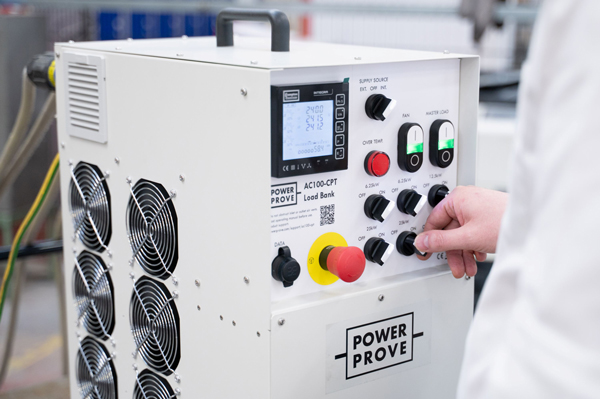
A load bank creates a controlled electrical demand that simulates real network equipment pulling power. This allows engineers to verify that a generator, battery bank or hybrid system can sustain output over time. Load testing can uncover issues affecting voltage stability, cooling response, fuel delivery or electrical regulation long before a real outage exposes them.

Telecom operators often use load bank testing to validate site readiness before peak seasons or known weather events. Third party data highlights that network resilience planning increasingly emphasises such proactive measures, with industry bodies calling for stronger resilience against power related failures that can lead to service interruptions and emergency call failures.

Real world confidence

For many operators, the cost of unexpected downtime is measured not only in customer complaints but in safety risk and economic loss. A reliably tested backup system ensures that power systems at remote cell towers and exchange points will support critical loads without surprise faults.

Power Prove load banks can be tailored to telecom use cases, offering testing solutions that match specific site configurations and load profiles. By applying a proper electrical load, teams gain confidence in generator and battery performance and can schedule maintenance during planned windows rather than reacting to unforeseen failures.

Testing is a practical form of risk management. In a landscape where connectivity is closely knit into daily life and business operations, knowing that backup power systems have been exercised and verified gives operators and their customers confidence that networks will remain live when they are needed most.

Get in touch with the team today to learn how load bank testing can strengthen the reliability of telecom backup power systems.

Industrial heat will decarbonise the same way power did โ€“ slowly, then all at once

Rayan Kassis, CEO โ€“ Aed Energy

A running joke when I worked at GE Energy was that, in many cities, the emissions guarantee on our gas turbine exhaust air was cleaner than the ambient air going into the intake. That’s how I started my career, at a time when gas turbines were considered clean tech and wind and solar were interesting but yet untested technologies.

A career incarnation later, this time with wind energy pioneer Vestas, that background proved useful to convince sceptical operators that wind was worth deploying on their systems. The only problem was that I went from being a solutions provider, to a “part-of-the-solution” provider. Wind, then later solar, proved a clever way to generate increasingly cheap electricity, but couldn’t be relied on, like gas turbines, to switch on and off on demand. And I was acutely aware of that, which then led me to the promise of concentrated solar power, harnessing the intensity of the sun, paired with thermal storage, to deliver 100% clean energy, on demand. Nice story, the physics was sound. But complexity killed it. Too many moving parts, too reliant on perfect conditions, and especially, too much bespoke engineering on every project. It never scaled.

Essentially, my career has been a search for the same thing: reliable, dispatchable, affordable energy without burning fossil fuels. And what it led to was the realisation that thermal storage, on its core merits, is the first technology I believe can deliver all three, at scale, without the compromises that undermined every previous attempt.

Technology transitions follow a consistent pattern. Early deployments generate performance data. Performance data builds trust and operator confidence. Operator confidence drives purchasing decisions. Which then drive volume and cost reduction. Precisely what happened to wind and solar energy – and not just happened, but delivered an astonishing reality today where renewable energy now contributes to over 30% of global electricity worldwide. Quite a journey from when I started.

So far industrial heat has stubbornly held out on this transition, with massive implications. Heat for industrial processes represents 25 to 30% of global energy demand and emissions. The sectors that drive this are foundational to our modern existence: cement, metals, chemicals, food processing, ceramics, paper, refining. And across Asia, the Middle East and Africa they are expanding, with each new fossil-fuel-dependent facility locking in emissions for twenty to thirty years.

The reason for this is deeply structural. Unlike power assets, an industrial furnace is a vital production asset for these industries. The consequences of failure are direct production and revenue failures. That distinction drives everything โ€” longer capital cycles, higher thresholds of operational reliability, procurement committees designed to be cautious.

Putting on my old operator hat, the evaluation criteria are not complicated: does the system work (can I trust it), can our teams operate and maintain it, and, critically, what happens when it fails at 3AM. These operational considerations are the primary concerns when determining procurement.

Which takes us to the state of fossil fuel alternatives today. Direct electrification exposes operators to price volatility and demands grid capacity that is often unavailable or prohibitively expensive. Hydrogen production costs remain exceedingly high, infrastructure is incomplete, and conversion losses are impossible to ignore. Both may matter eventually, but neither solves the near-term problem.

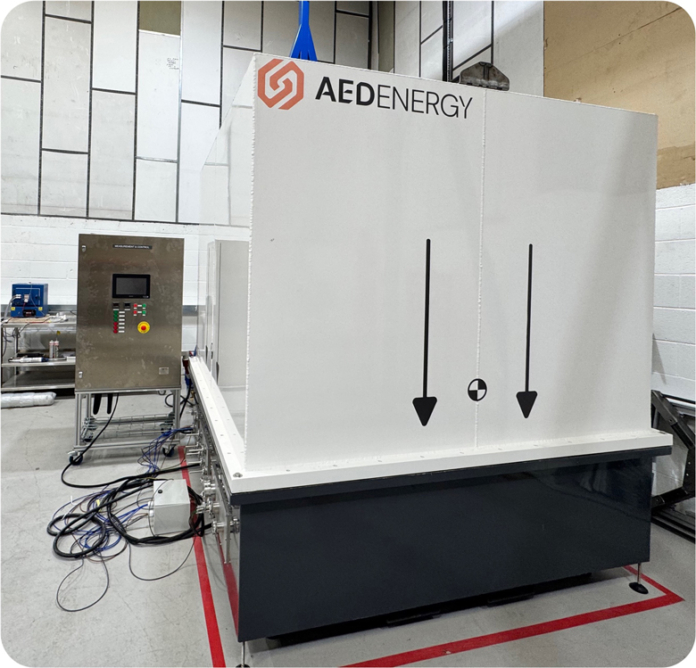
Long-duration thermal batteries present a highly compelling opportunity to deliver reliable, zero-carbon heat through simplicity, not sophistication. The process is, as one cleantech commentator put it, “absurdly simple”. Convert electricity to stored heat โ€” like a giant toaster โ€” when power is cheap. Deliver it as direct heat to industrial processes, 24/7, on demand. Stable, abundant, cheap materials โ€” no complex chemistry, no constrained supply chains. Unlike my past experience with CSP, nothing is reinvented on every project.

The numbers work too. In our extensive modelling of thermal storage against all types of fossil fuel burners, in optimal conditions with low electricity prices, we deliver a 20-year levelised cost of heat below $25/MWh-th, versus a $20โ€“70/MWh-th range across fossil fuel types โ€” natural gas, LNG, heavy fuel oil, petcoke. This is not hype. These are hard numbers. With field performance data to back them up over the coming years, I believe thermal storage will do to industrial heat what coal once did to manufacturing โ€” transform it entirely. The bottom line is simple: if we can deliver the same heat, reliably, at the same or better cost than your fossil fuel incumbent, what is left to decide other than trusting the technology?

Which brings us back to the power of simplicity. The diesel engine did not dominate because it was elegant. It dominated because it worked everywhere, under imperfect conditions, maintained by the local technician. That is the standard thermal storage must meet โ€” and it is achievable.

Energy transitions do not announce their tipping points. They arrive when enough systems are working in enough places that the old model stops making economic sense. I believe industrial heat is rapidly moving toward that moment.


This article appeared in the April 2026 issue of Energy Manager magazine. Subscribe here.