


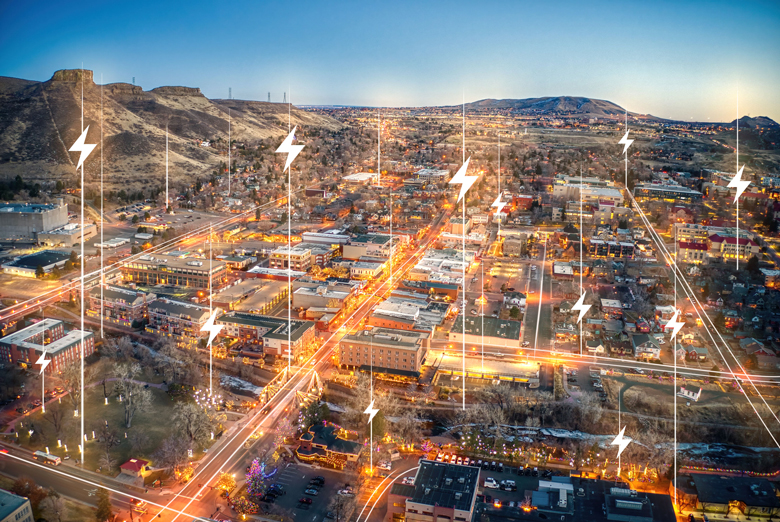
As solar systems grow more advanced and connected, both physical risks and cybersecurity vulnerabilities must be pre-empted and managed to ensure safe and efficient operation says Christelle Barnes, UK Country Manager at SolarEdgeTechnologies.
As solar system technology becomes more advanced and widely adopted, it is fundamentally reshaping the way energy is produced. However, with innovation comes complexity and a range of safety challenges that extend beyond fire prevention. Understanding how to mitigate these risks – from electrical hazards to emerging cybersecurity vulnerabilities – is vital for protecting people, property and energy infrastructure.
Best Practice for Physical Protection
Let’s start by looking at physical safety. With millions of systems installed worldwide, solar PV is proven to be a safe, reliable technology. Commercial infrastructure fires can be caused by many things, including electrical malfunctions in factory machinery or even lightning. While fires stemming from solar PV systems are rare, it is important to thoroughly evaluate the safety of any existing or planned installations, particularly when selecting or upgrading system components.
When a building fire is found to originate from a solar PV system, causes may include installation error or improper maintenance. To support safer installations, many technology providers invest in ongoing training. For example, SolarEdge has trained over two thousand professionals in the UK in the last year alone. However, even when installations are flawless, external factors beyond anyone’s control, such as an animal chewing through a cable, can introduce faults. It is at this point that component selection becomes key.
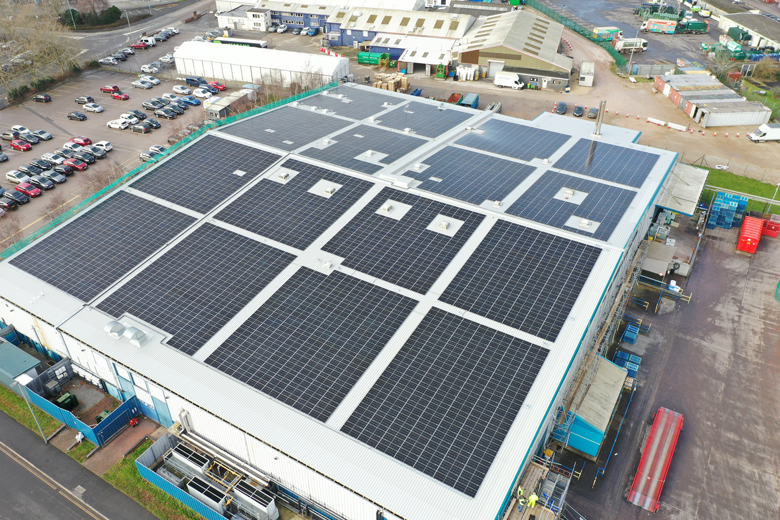
To mitigate potential physical solar safety risks, it is important to understand how these systems work. The main components are PV panels and inverters. The panels generate electrical power by converting solar radiation into direct current (DC). Inverters then convert the DC power to alternating current (AC) used to power homes and businesses.
As long as the sun is shining, solar panels and cables remain energised with high DC voltages, even if the main circuit breaker is shut off. In the event of a fire, firefighters typically disconnect the grid supply before intervening, assuming there is no risk of electrocution once the grid has been disconnected. However, this assumption is not true in the case of a typical PV roof system, as the system is creating its own electricity independent of the grid.
Traditional string inverters typically have limited safety functionality since they do not necessarily reduce the DC voltage when switched off. To meet safety standards, additional hardware may need to be purchased, increasing cost and labour. Due to this and other limitations, we have seen a notable shift away from traditional string inverters in favour of advanced systems that leverage DC-optimisation. These systems split the functionality of a traditional string inverter and use Power Optimizers placed directly onto panels to monitor performance in real time. This not only optimises energy production and system design, but it also improves safety through embedded safety features.
There are two safety features in particular to look out for when choosing an inverter. The first is SafeDC. This is a module-level safeguard which automatically reduces the output voltage of solar arrays to a touch-safe level to provide safe roof access to firefighters and maintenance teams.
The second is arc fault detection and prevention. Although rare, arc faults can be triggered by issues like false trips or loose connections and may result in heat build-up that, if undetected, could cause an arc fault to develop. DC-optimised systems monitor terminal blocks for abnormal heat buildup, quickly identifying the source and isolating it to prevent escalation.
Safeguarding Solar from Cyber Threats
It is a sign of the times that solar safety concerns now extend beyond fire hazards to include cybersecurity.
High-profile cyberattacks on companies like HMRC and Marks & Spencer, although not related to solar, demonstrate how internet-connected systems can serve as entry points into wider networks if not properly protected. Modern solar inverters, connected for remote monitoring, software updates and participation in demand response services, are no exception.
While this connectivity unlocks significant value, it also introduces risk. Fortunately, UK regulation is beginning to catch up. The UK’s Product Security and Telecommunications Infrastructure (PSTI) Act, introduced in 2024, sets out minimum cybersecurity standards for connected devices. This includes requiring strong, unique passwords and better protection of user data. Additional frameworks, such as the EU’s Radio Equipment Directive (RED) and NIS2 Directive, are expected to influence UK policy in the near future.
In this rapidly changing landscape, it is important to stay ahead of regulatory changes by choosing technologies that meet both current and future standards. Selecting inverters equipped with encrypted communication and strong authentication should be a fundamental part of this process.
For more information, visit: www.solaredge.com/uk.
This article appeared in the May 2026 issue of Energy Manager magazine. Subscribe here.
