

5 proven ways to reduce electricity waste in 2026

This checklist was developed by Rochel Lewis, Marketing and Communications Manager at Chauvin Arnoux UK, to help you take simple, practical steps to become more energy efficient.

Following the COVID-19 pandemic, electricity prices rose sharply, contributing to an energy affordability crisis across the UK. As a result, both business owners and homeowners have been actively seeking ways to reduce their electricity costs.

Recent reports indicate that Ofgem has set the UK energy price cap so that average combined gas and electricity bills are expected to fall to around ยฃ1,641 per year for the period 1 April to 30 June 2026. This represents a reduction of roughly 7% compared to the previous cap, driven mainly by lower wholesale energy costs and changes to policy levies. However, analysts warn that prices could rise again later in the year if global energy costs increase.

Despite the energy price cap, electricity bills remain a significant concern. Household energy prices in the UK are stillhigher than pre-covid levels, and industrial electricity prices are among the highest in Europe, according to recent House of Commons committee reports. These high costs continue to put pressure on households and businesses across the UK.

To help address rising electricity bills, this article outlines 5 proven ways to reduce energy consumption at home, in commercial settings, and across industrial operations. These approaches not only help cut costs but also support environmental sustainability by reducing unnecessary energy waste.

Run Regular Maintenance Checks

Businesses and homeowners alike can benefit financially and environmentally by ensuring electrical systems are in good working order.

Regular maintenance checks arenโ€™t just a safety requirement. Devices such as air conditioning units, heating systems, and other electrical equipment can directly affect energy consumption. Neglect or failure to perform maintenance checks can cause energy efficiency levels on these devices to decline over time, directly affecting your electricity bills.   

Research suggests that well-maintained equipment performs more reliably and consumes up to 15-20% less electricity (Gradwell Group, GOV.UK 2025).  

Ensuring your filters, vents, and cooling fans are cleaned regularly to prevent overheating, replacing inefficient components with more energy-efficient alternatives, or opting for more advanced inspections under UK guidelines such as PAT testing will help achieve optimal machine performance and energy savings.   

Reduce Standby Power Waste

Unmonitored electronic devices can inflate household electricity bills even when not in use. In late 2025, average UK households could have wasted around ยฃ80 a year by leaving appliances on standby rather than fully turning them off (Go.Compare Energy).

Data from Measurable Energy suggests that up to 20% of total electricity use in offices could be from devices that are not in active use or from after-hours consumption โ€“ generally caused by standby/idle loads.

While a single standby device might draw only a few watts, with multiple devices like computers, printers, and HVAC systems, even with the energy price cap, standby consumption can add up quickly. 

Invest in Energy-Efficient Upgrades

Electrical devices are built to perform, but older systems can quietly drain energy without you even recognising the pattern. Investing in newer, energy-efficient appliances or equipment (wherever applicable) could be the way to go, as this will help reduce unnecessary power use straight away. So, whether it’s a small change, such as switching to LED light bulbs or motion-sensor lighting, or a relatively more expensive alternative, such as industrial equipment โ€“ moving towards energy-efficient upgrade for offices or homes can translate into lower energy bills. 

Maximise Efficiency by Enabling Low-Power Mode

Electrical equipment often runs continuously. Businesses and household consumers can optimise usage and downtime by scheduling equipment use. Be it in industrial or residential settings, using programmable timers or smart plugs to power down instruments when not in use can help maximise energy efficiency efforts. 

Pairing these practices with staff awareness can ensure instruments consume full power only when needed, thereby improving efficiency and reducing costs. 

Monitor Energy Consumption

Pro tip โ€“ sometimes it’s a lot easier to assess energy usage patterns early on to curb spending and electricity waste. And when it comes to saving your operational budget, energy consumption monitoring helps ensure every pound is spent well.

Businesses and electrical specialists often employ energy monitoring systems on-site to track real-time consumption, log data to identify inefficiencies, optimise performance, and reduce energy costs. 

Donโ€™t just take our word for it! See how data loggers measure voltage, current, power factor, harmonics, and more, and provide a detailed breakdown of consumption so that you know how and where your money is really going. Hereโ€™s a quick YouTube video on the top features and benefits of using a power and energy logger.

Considering opting for Solar PV?

Installing a commercial solar PV rooftop array could be a practical move, but one thatโ€™s quite expensive. 

Generating your own electricity on-site can reduce reliance on the grid, lead to lower monthly energy bills, and improve your sustainability efforts. But considering costs vs potential savings is crucial in this scenario, since the initial investment may depend on several factors that can affect both your upfront spending and long-term savings plan.

And there you have it โ€” these are 5 proven ways to reduce electricity waste in 2026! Whether youโ€™re running a small or medium-sized business looking to cut operational costs, an electrical contractor seeking smarter ways to help your clients save more, or a homeowner wanting to lower your energy bills, this checklist is designed to help you take practical steps toward becoming more energy-efficient. Visit cauk.net to learn more.


This article appeared in the April 2026 issue of Energy Manager magazine. Subscribe here.
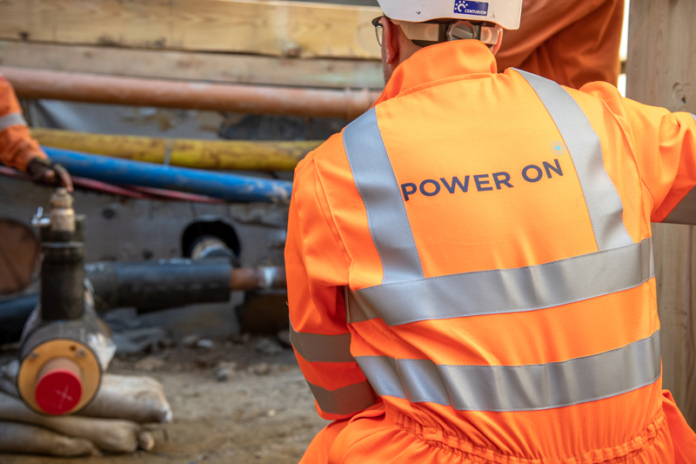
Future Homes Standard: Heat networks the solution to high rise problem

With the long-awaited Future Home Standard (FHS) recognising the challenge for high-rise developments, Power On presents heat networks as the cost-efficient, pragmatic solution.

The FHS predominantly focuses on the use of individual technologies like PV solar panels and individual air source heat pumps to lower carbon emissions, but these are often not viable for high-rise developments where an air-source heat pump and/or solar panel on every flat would be logistically challenging and aesthetically detrimental.

Neil Fitzsimons, Managing Director for Power On, says: โ€œHeat networks are the perfect solution for the low-carbon heat and hot water needs of the UK, and they are the only feasible and cost-effective solution for high rise buildings.

โ€œThe Future Homes Standard has given a longer timescale than was expected, or than we wanted, but our advice to developers is not to wait. Low carbon solutions are available now and they are cheaper than the traditional options if they are networked to provide for whole communities.โ€   

Tried and tested solutions

Power On has been delivering tried and tested solutions to assist in meeting net zero targets for complex, high-rise and high-density developments for some time. These include Community Heat Hubs and Networked Ground Source Heat Pumps. The company already has more than 20,000 homes contracted to its heat networks solutions, with more being added all the time.  

Low carbon at low cost

With the timeframe for the Future Home Standard now in place, the industry needs to embrace the transition to net-zero. Power On wants to ensure that high-rise, high-density residential developments not only comply with the FHS but also deliver long-term value to developers and residents. Heat network technology is an investment in a clean, more efficient and more cost-effective future, bringing considerable savings compared to individual air source heat pumps.

Neil Fitzsimons comments: โ€œHeat networks are the low-carbon, low-cost solution of the future, being delivered now.โ€

Networked Ground Source Heat Pumps (NGSHPs) are an ideal solution for high-rise, high-density developments. They extract naturally stored thermal energy from the ground to provide highly efficient heating, hot water, and passive cooling to each building. Each heat pump is installed inside the building, connected to a network of underground pipes, eliminating the need for bulky external units.

Benefits for developers include the electricity grid capacity requirement being reduced by as much as 50%, compared to individual air source heat pumps, meaning less off-site grid reinforcement, lower cost and less time to get sites away. Consequentially, fewer substations are required on site, further reducing cost to the developer and easing site build out. Often more capital-efficient than individual air source heat pumps, all of this adds up to an improved margin and greater simplicity for the developer. NGSHPs help meet the FHS, with carbon emissions reduced by 75-80% from day one and the inclusion of passive cooling helps compliance with Part O of the Building Regulations.  Networked Ground Source Heat Pumps offer up to five times the efficiency of gas and higher, stable year-round efficiencies when compared with individual air source heat pumps.

Benefits for residents include low energy bills, saving circa 40% on whole-home energy costs (in a FHS home when combined with other measures such as solar PV and when compared to an average UK, gas-heated, three-bed semi-detached home). Stable year-round ground temperature reduces any seasonal fluctuation of efficiency and energy costs that come with an air source heat pump. Residents set their heat and hot water requirements through their easy-to-use smart thermostat.

Community Heat Hubs (CHHs) provide an efficient and sustainable solution for high-rise, high-density residential developments. By utilising large-scale air source heat pumps and thermal stores, Community Heat Hubs centralise the production of heating for an entire site. This approach eliminates the need for individual external heat pumps and internal hot water storage for each apartment, simplifying installation and maintenance.

Benefits for developers include cost savings of up to ยฃ1,000 per plot and up to 15% lower overall peak site electrical demand, compared to fitting individual air source heat pumps. No hot water tank is required, freeing up vital internal space and connection to each plot is simple. CHHs meet the FHS by reducing carbon emissions by 75-80% on day one.

Benefits for residents include circa 40% savings on whole-home energy costs (in a FHS home when combined with other measures such as solar PV, when compared to an average UK, gas-heated, three-bed semi-detached home). With no cumbersome outside equipment, no space is required in balconies and external aesthetics are maintained.

Regulated and maintained

All heat networks (including both NGSHPs and CHHs) are regulated by OFGEM. This makes sure residents gain additional protections, transparent pricing, and confidence that their heating is safe, future-proof, and professionally managed. Itโ€™s effortless, low-carbon comfort with no hidden responsibilities. Power Onโ€™s sister company, Metropolitan, owns and manages the heat networks built by Power On.  This means residents are free from having to maintain or replace equipment or manage breakdowns โ€“ everything is covered as part of a single billed service. Metropolitan has over 15 years of experience managing heat networks with more than 10,000 customers, and its Customer Contact Centre is based in Cardiff. 

Visit www.poweron-uk.co.uk

NIE Networks uses drones to boost capacity in UK first

Stian Fjeldstad, Heimdall Power; Emil Matre, Birkeland Heimdall Power; Caron Malone, Network Development Manager, NIE Networks and Peter Glover, Network Innovation Manager NIE Networks.

NIE Networks has begun using drones to install new real-time sensors on Northern Irelandโ€™s electricity transmission network, the first time this has been done on live power lines anywhere in the UK.

As more renewable generators seek to connect, parts of the electricity network are becoming constrained. Traditionally increasing capacity requires significant investment to rebuild overhead lines. This can be time consuming and disruptive.

The new approach uses Dynamic Line Rating (DLR) technology. In partnership with Heimdall Power, NIE Networks is installing small sensors on overhead lines that measure temperature, wind and sunlight. This live data shows how much electricity each line can safely carry at any moment.

By using real conditions rather than fixed assumptions, DLR could unlock up to 30% more capacity on existing circuits without physically upgrading them.

Caron Malone Network Development Manager NIE Networks:

โ€œDynamic Line Rating and liveโ€‘line drone installation represent a major step forward in how we manage and futureโ€‘proof Northern Irelandโ€™s electricity network. By combining realโ€‘time data with innovative installation techniques, we can unlock significant capacity on existing lines. Using drones makes installation faster, cheaper and safer. Now, we have demonstrated we could do this while lines stay energised, so there is no impact on customers, fewer staff are required on site which means we can roll these sensors out at pace.

This technology makes our network safer, smarter and more sustainable, while supporting SONI and the wider renewables industry to bring more clean, locally generated energy onto the system. Weโ€™re proud to be leading the way in the UK with this approach and demonstrating what innovation can achieve for customers and for the energy transition.โ€

The project is being delivered with SONI, the Transmission System Operator, supporting their work to reduce renewable constraint and make better use of clean, locally generated energy. Together, drones and DLR technology are helping deliver a safer, smarter and more sustainable electricity network for Northern Ireland.

The energy transition could be the answer to Britainโ€™s youth employment crisis

Will Taylor

Will Taylor, Principal Consultant (Retrofit), Talan UK

Britain has hundreds of thousands of unemployed young people and a clean energy sector desperate for workers. The government’s new youth employment drive could finally connect the two โ€” if it’s done right.

The government has recently announced a major employment drive to unlock 200,000 jobs and apprenticeships for the next generation. It is a welcome step, arriving at a moment when youth unemployment remains stubbornly high and confidence in the traditional graduate pathway is waning. Yet as graduates compete for a shrinking pool of entry-level jobs, clean energy, one of the fastest-growing parts of the economy, is struggling to find skilled workers.

A credible alternative to the crowded graduate pathway

For decades, the UK has encouraged everโ€‘greater participation in higher education and until recently, graduates continued to enjoy a wage premium. That pattern is now breaking down, and as the graduate workforce has expanded, the number of wellโ€‘paid graduate roles has not kept pace, eroding starting salaries and blurring the distinction between graduate and nonโ€‘graduate work.

At the same time, the clean energy sector is expanding rapidly. The governmentโ€™s Clean Energy Jobs Plan projects that the clean energy workforce will almost double this decade, reaching around 860,000 jobs by 2030. The Warm Homes Plan alone is estimated to create up to 9,000 new jobs. Many of these roles, from heat pump installation and retrofit to electricity networks and offshore wind, do not require university degrees. They demand technical skill, vocational training and practical expertise.

Real wage gains, real regional growth

Crucially, green jobs are not just growing, they also pay well. Roles in wind, nuclear and electricity networks advertise average salaries of over ยฃ50,000, well above the UK average of ยฃ37,000.  In the clean heating sector alone, Talanโ€™s analysis on behalf of the Wolseley Group shows that installers who upskill to include heat pumps can earn over ยฃ9,000 more per year than those fitting gas boilers. Over the next decade, that can amount to over ยฃ100,000 in additional earnings.

Just as importantly, these jobs are inherently local. Our research found that these jobs can be found in all areas of the country, meaning that everywhere can benefit, with huge implications for the UKโ€™s economic growth.

The bottleneck holding everything back

Yet despite rising demand, progress is being constrained by a growing skills bottleneck. In key areas such as heat pumps, current training rates are only sufficient if deployment ambitions remain modest. For example, Talan research for the South West Net Zero Hub found that at current rates of deployment (at the time of publication in 2024) it would take hundreds of years to decarbonise homes in the South West.

This pattern is repeated at a national scale. Talanโ€™s analysis for Heat Pump Association UK shows that the current training rate in the installer sector is sufficient to meet workforce demand up to 2031. But, if heat pump installations are to meet the Climate Change Committeeโ€™s recommendation of 1.5 million installs in 2035, the training rate for installers must increase.

Targeted interventions from the Government such as the Heat Training Grant and the Warm Homes Skills Programme are necessary, but theyโ€™re not sufficient. Intermediate level apprenticeship starts are declining as a share of overall apprenticeships. Without urgent investment in vocational routes into the green economy, the UK risks simultaneously failing its climate targets and its young people. Skills shortages are already slowing delivery, pushing up costs and delaying projects in an ageing construction sector already starved of workers .

Government can do more. By making training and upskilling a consistent part of social value requirements for contractors delivering public funding and ensuring that apprenticeships and CITB funding is spent wisely the sector can push funding into training for much needed roles. By driving the development of national occupational standards for key retrofit roles and creating apprenticeships where there are gaps the sector can ensure robust and consistent training opportunities are available to everyone.

This is the missed connection that policy must urgently address. The government’s new youth employment drive has the architecture to unlock thousands of green apprenticeships and skilled trade careers. What is needed now is deliberate alignment, directing these funds toward sectors where demand is growing,  where that growth is aligned to government policy,  where wages reward skill, and where geography serves those left behind. The clean energy economy is ready. The workforce policy now needs to catch up.

Rinnai Hybrid Technology Underpins Mere Hotel Resort M&E Refit Delivered by AB Engineering, Providing a Practical, Lowโ€‘Carbon and Economic Hot Water Strategy

Interested in replacing storage and lowering onsite carbon? Contact the Rinnai design team today https://www.rinnai-uk.co.uk/contact-us/help-me-choose-product

A comprehensive refurb of the Mere Golf Resort & Spa included a completed M & E upgrade, delivered by AB Engineering, has given the site a high performance and cutting-edge building services across the hotel, spa and conference facilities. The multifaceted site has buildings dating back to 1924, meaning that a flexible design and technology approach was needed to deliver high volumes of DHW with limited onsite plant space โ€“ hence the Rinnai Hybrid system that combines high efficiency water heaters, R290 heat pumps and site-specific cylinders was selected.

Rinnai design experts are available to support your next Hybrid project contact us today https://www.rinnai-uk.co.uk/contact-us/help-me-choose-product

The 157-acre resort on the outskirts of Knutsford on the Cheshire Plains is managed by Fairmont in partnership with Dubai-based developer Select Group, which bought the property in 2022. It is now managed under the Fairmont premium luxury brand, which is owned by the Accor Group, one of the worldโ€™s biggest hospitality concerns catering to all sectors of the market. It underwent this major refurbishment and relaunch with an expanded listing of 120 bedrooms, including 27 suites. AB Engineering delivered the full mechanical & electrical installations including all HVAC plus a highly efficient, hybrid, Rinnai hot water heating delivery system, all other water services, BMS, security, fire alarms and data systems. Modern plant, EV charging and advanced telecoms were integrated in close collaboration with the wide project teams.

Says Chris Smith for Rinnai, โ€œOur technical & Design Team specified a customised hybrid system which included heat pumps and natural gas continuous flow water heaters โ€“ the complete system package provided by Rinnai was 2 x R290 60kW Heat Pumps, 8 x N1600i 20% renewable fuel ready natural gas water heaters plus bespoke vessels, to ensure maximum heat transfer and to optimise plantroom space, valves and all accessories โ€“ meaning all kit was delivered to site in one deliveryโ€

โ€œWe carried out some of the commissioning, whilst performing onsite training for the client to ensure handover continuity and liaised closely with all other project teams from AB Engineering and the main contractor RussellWHBO. Our system delivers all hot water services on demand and is a fine example of a design based on practical, economic and technical criteria expertise, without any compromise to quality and longevity, producing the best result for the site and the end clientโ€.

The Mere project also benefited from Capital expenditure, operational expenditure and carbon modelling provided by Rinnai. The Rinnai design team calculated the optimum system when considering the nuances of the site and technical realities of such as space and infrastructure.

The Rinnai solution combines high efficiency R290 heat pumps to provide a high temperature baseload of DHW, in instances of peak demand the Rinnai water heaters will boost the DHW to the desired level to ensure continuity of DHW supply and support anti-legionella regimes. The Rinnai water heaters can monitor incoming water temperature and apply the precise amount of gas to bring the water to temperature meaning the gas usage is heavily reduced as the water heaters modulate from 58kw to 4.4kw.

Find out more about Rinnai Hybrid solutions today https://www.rinnai-uk.co.uk/about-us/case-studies/hotels

Rinnai is constantly and actively searching for content that helps and assists the contractor, specifier, installer, and UK customer with information on all types and styles of hot water heating systems that deliver environment and energy efficient excellence with the best possible longevity and product lifetime.

Contact Rinnai today for any of your project needs https://www.rinnai-uk.co.uk/contact-us/ask-us-question

***************************************************

RINNAI OFFERS CLEAR PATHWAYS TO LOWER CARBON AND DECARBONISATION PLUS CUSTOMER COST REDUCTIONS FOR COMMERCIAL, DOMESTIC AND OFF-GRID HEATING & HOT WATER DELIVERY  

www.rinnai-uk.co.uk/about us/H3

  • Rinnaiโ€™s range of decarbonising products – H1/H2/H3 – consists of hot water heating units in gas/BioLPG/DME, hydrogen ready units, electric instantaneous hot water heaters, electric storage cylinders and buffer vessels, a comprehensive range of heat pumps, solar, hydrogen-ready or natural gas in any configuration of hybrid formats for either residential or commercial applications. Rinnaiโ€™s H1/2/3 range of products and systems offer contractors, consultants and end users a range of efficient, robust and affordable low carbon/decarbonising appliances which create practical, economic and technically feasible solutions. 
  • Rinnai is a world leading manufacturer of hot water heaters and produces over two million units a year, operating on each of the five continents. The brand has gained an established reputation for producing products that offer high performance, cost efficiency and extended working lives. 
  • Rinnai products are UKCA certified, A-rated water efficiency, accessed through multiple fuel options and are available for purchase 24/7, 365 days a year. Any unit can be delivered to any UK site within 24 hours.
  • Rinnai offer carbon and cost comparison services that will calculate financial and carbon savings made when investing in a Rinnai system. Rinnai also provide a system design service that will suggest an appropriate system for the property in question.
  • Rinnai offer comprehensive training courses and technical support in all aspects of the water heating industry including detailed CPDโ€™s.
  • The Rinnai range covers all forms of fuels and appliances currently available – electric, gas, hydrogen, BioLPG, DME solar thermal, low GWP heat pumps and electric water heaters More information can be found on Rinnaiโ€™s website and its โ€œHelp Me Chooseโ€ webpage. 

RINNAI FULL PRODUCT AVAILABILITY 24/7 FOR NEXT DAY DELIVERY of ALL HOT WATER HEATING UNIT MODELS INCLUDING 48-58kW UNITS-

SAVINGS OF-

15% REDUCTION in carbon

20% REDUCTION of Opex Cost,

30% REDUCTION of initial cost

75% REDUCTION of space

Visit www.rinnai-uk.co.uk  Or email engineer@rinaiuk.com  


This article appeared in theย April 2026ย issueย of Energy Manager magazine. Subscribeย here.

Aggreko highlights urgent need for flexible power as Europeโ€™s power grid struggles to keep up

Alan Dunne

Aggreko has urged European industry and policymakers to adopt a more pragmatic approach to decarbonisation, emphasising the rising importance of hybrid energy systems built around flexible gas generation as the Continent navigates growing electrification, rapid renewable expansion and increasing grid pressure.

Across Europe, countries such as Germany, France and those in the Nordics are seeing strong momentum in renewable deployment as part of their net zero strategies. While this progress marks a vital step forward, it also exposes a fundamental challenge: industrial demand and variable renewable output do not always align, and grid reinforcement timelines are often measured in years rather than months.

โ€œEuropeโ€™s energy transition is accelerating, but so too are the operational demands placed on national grids,โ€ said Alan Dunne, Managing Director for the UK & Ireland at Aggreko. โ€œThe reality is that businesses cannot afford to wait for perfect conditions. They need solutions that support resilience today while enabling decarbonisation tomorrow.โ€

Hybrid systems delivering resilience where Europe needs it most

As industries from manufacturing to data infrastructure expand across Europe, many are turning to hybrid energy systems that combine gas generation, battery storage and onsite renewables. These systems allow each technology to perform the function it is best suited for: batteries handle rapid fluctuations, renewables reduce emissions when available, and gas provides the dispatchable, longerโ€‘duration power needed to maintain stability during periods of low renewable output.

This approach is particularly relevant in energyโ€‘intensive sectors – including the rapidly growing data centre clusters in the โ€˜FLAPDโ€™ markets (Frankfurt, London, Amsterdam, Paris, and Dublin), where large continuous loads and tight operational tolerances make power security essential.

โ€œHybrid systems are proving their value across Europe because they solve practical problems,โ€ Dunne said. โ€œThey keep critical operations running when grid conditions are tight, they integrate smoothly with renewables, and they allow businesses to operate more sustainably without increasing risk.โ€

Modularity and speed of deployment underpin Europeโ€™s flexibility gap

One of the most pressing challenges facing businesses across the continent is the mismatch between rising demand and the pace at which permanent grid connections can be delivered. Modern modular systems can be deployed both onโ€‘grid and offโ€‘grid, giving businesses the flexibility to secure reliable power whether they are connecting to constrained networks or operating independently in remote or fastโ€‘growing locations. In regions where connection queues stretch years into the future, modular gas generation and hybrid configurations provide a fast, scalable and lowโ€‘disruption path to securing the power required.

โ€œSpeed is now a critical part of Europeโ€™s energy equation,โ€ Dunne added. โ€œIndustries need solutions they can deploy quickly, scale up or down, and relocate as their needs evolve. Modern modular systems deliver that agility.โ€

Decentralised energy as a strategic advantage

European businesses are increasingly adopting decentralised power systems, placing generation closer to consumption. This approach improves resilience, reduces dependence on overstretched transmission networks and offers a degree of energy independence that is particularly attractive for sectors operating highโ€‘value facilities or geographically distributed operations.

From industrial corridors in France to advanced manufacturing hubs in Germany and innovation clusters across the Nordics, decentralised and hybrid systems are helping organisations maintain productivity while managing their carbon footprint.

A pragmatic route to net zero

While longโ€‘duration storage, expanded grid infrastructure and emerging lowโ€‘carbon technologies will all play critical roles in Europeโ€™s energy future, Aggreko emphasises that businesses can make meaningful progress immediately.

โ€œSustainability and reliability are not mutually exclusive,โ€ Dunne said. โ€œThe most successful organisations will be those that take pragmatic, flexible steps now – integrating renewables where possible while using dependable, efficient technologies to fill the gaps. Hybrid systems provide the bridge that allows Europe to transition at pace without compromising industrial performance.โ€

For more information, please visit our website at Home | Aggreko

Hybrids in action for commercial applications

To learn more about Rinnai Hybrids request your free information pack today at https://www.rinnai-uk.co.uk/contact-us/ask-us-question

Rinnaiโ€™s Head of Technical, Peter Seddon, looks at the benefits of heating & hot water hybrid systems in commercial applications. Hybrid systems utilise two fuels therefore contributing towards cleaner operations whilst maintaining seamless and efficient performance.

Mainstream media outlets often only mention singular technologies such as heat pumps, solar and natural gas water heater and boilers as solutions for commercial property heating and hot water. One of the emerging options within the UK heating and hot water market is the hybrid system.

Why Hybrid and not full electric? There may be certain technical or financial constraints which would prohibit full electric heating and or hot water systems to be installed in every non-domestic building. According to the statistics published on the government website there are approximately 2.13 million non-domestic buildings in the UK. If we look at heavily built-up areas like cities, these buildings are generally clustered together so space is a premium, to install large capacity heat pumps to satisfy the full building demand may not be viable. The electrical loading on the building may also prevent going full electric. The last issue could be the building owner/occupier may not simply have the funds available to switch to a full electric system either on a capital and/or operational expenditure. This is because heat pumps generally take up a lot more space and cost more per kW than a traditional gas system. Rather than not doing anything because of the aforementioned constraints, Hybrid Systems could be a good starting point for their decarbonising journey.

A hybrid heating and or hot water system uses various energy or power-driven technologies as traditional fuel systems and carbon neutral technology are incorporated into one assimilated system. Rather than relying on one fuel source or technology such as renewable electricity and heat pumps, hybrid options instead use two forms of power or heat generators to complete daily functions inside commercial applications.

Hybrid systems consist of a combination of traditional fuel sources like natural gas, oil or LPG and a renewable technology such as solar thermal or heat pump. Hybrid systems are designed to optimise factors such as outside temperature, current energy prices, property heating and DHW demand.

For smart domestic hot water systems such as continuous flow water heaters used with heat pumps, the renewable heat generator provides the base load as the water heaters โ€œtop upโ€ the temperature. This approach is inherent within the system and ensures optimal performance. This type of system was installed at the Mere Leisure complex in Cheshire and resulted in reduced carbon emission, capital expenditure costs and high levels of DHW for bedrooms and catering facilities find out more https://www.rinnai-uk.co.uk/about-us/case-studies/hotels/rinnai-hybrid-heat-pump-system-improves-efficiency-large-hotel-golf-course-resort

Using two separate energies compacted into a singular system offers a range of benefits for the end-user. The first advantage is from a financial viewpoint: as electrical costs are higher than natural gas, utilising a system that accepts both renewable electricity and traditional fuel sources means that costs could be lower and more manageable when compared to an exclusively electrical system. From a capital expenditure perspective the cost will be lower than a full electric system creating lower whole of life costs.

In terms of operational performance, a hybrid heating and hot water system combines two energies and technologies that ensures energy efficiency whilst supporting operational consistency. A hybrid system will preferably incorporate the heat pump or solar thermal technology during mild weather whilst using the other appliance during periods of cold conditions. This will optimise the strengths of each technological approach in separate weather condition circumstances; the addition of a combustion-based water heating technology will boost the renewable base load to ensure DHW performance.

A further benefit for the end-user is that both lifecycles of each technology is lengthened. As each technology does not have to apply full effort to satisfy demand, component and overall system longevity will be increased due to a lessening of required workload.

Hybrid systems offer a practical route for NetZero objectives to be accomplished. As not all customers can fully financially commit to decarbonising practises, an alternative mix of technologies that incorporates both renewable and traditional technologies and fuels is offered to bridge this gap. This practical approach introduces customers to alternative and clean energies whilst maintaining control over energy costs by still relying on conventional and more cost-effective methods of energy usage.

A hybrid system is comprised of a number of features, components, technologies and fuels. The main elements of a hybrid heating and hot water system is listed below.

  1. Heat Pump: The renewable backbone of the system. Most hybrid systems utilise air source heat pumps (ASHPs) due to their ease of installation and affordability. Ground source heat pumps (GSHPs) are also viable for specific applications, particularly in commercial settings.
  2. Condensing Gas Boiler / Water Heater: A high efficiency water heater serves as the auxiliary or backup heat source. Modern condensing water heaters are designed to extract as much heat as possible from combustion gases, increasing energy efficiency.
  3. Solar Panels: When solar thermal collectors are included, they can contribute heat to the system directly or to a buffer tank. This heat can then be drawn upon before the system calls for either the heat pump, gas boiler and water heaters making it more energy efficient.
  4. Control Unit / Smart Thermostat: The ‘brain’ of the hybrid system, responsible for deciding which heat source to use based on real time conditions. Many units are integrated with weather compensation and predictive algorithms.
  5. Buffer Tank / Hot Water Cylinder: Optional but recommended for systems that provide domestic hot water (DHW). The buffer tank helps to smooth out demand fluctuations and improve efficiency. Other cylinders can include buffers for minimum water content and for additional hot water demand.
  6. Sensors and Meters: These measure temperature, flow rates, and energy consumption, feeding data back to the control system to enable automated switching.

Hybrid heat pump systems provide practical, economic and technical solutions as best exemplified by a recent installation at a luxury complex at Farringdon in the City of London. At this site a hybrid water heating array of Low-GWP 50kW heat pumps plus bespoke thermal water stores, with optimised coil transfer to maximize heat pump performance, have been combined with 10 cascaded Hydrogen blends ready (I2HY20 certified) continuous flow water heaters.

The systems were delivered direct to site in one complete consignment, ready for installation. This expansive complex comprises a new, luxury hotel, prestigious & contemporary office space alongside affordable housing units.

The extensive retrofit site will pay respect to this heritage with many of the original features retained in the 150+ bedroom luxury hotel, almost 20,000 sq ft of opulent capital city office space and nine new-build affordable residential units. The hotel group running the site already has one other unit in London with two others planned.

In addition to the City of London site, hybrid systems have successfully been installed and continue to offer seamless operational efficiency at alternative locations. A national chain of gyms has successfully piloted a LOW-GWP commercial ASHP (Air Source Heat Pump) with the aim of replacing their existing carbon intensive electric storage water heater systems which rely on multiple electrical immersions.

The flexibility of a bespoke hybrid system design has ensured that some of the existing electric water heaters can stay remain in place as part of a cost saving hybrid heat pump system โ€“ saving the end user on cost and reducing carbon emissions.

Each gym studio that has been measured revealed different kW load limits ranging from 8kW to 20kW. The gym owners were advised and then decided on the necessary decarbonizing technology required for each individual gym, these included:

  • LOW-GWP R290 ASHPโ€™s
  • Electric Storage water heaters
  • Optimised Heat Pump Cylinder Coil cylinder or plate heat exchanger.
  • Unvented kit (cold water feed).
  • System controls

Consultants, contractors, specifiers and installers are advised to consider using manufacturers and suppliers of decarbonising technology with proven records of successful installations of hybrid systems that equip locations with the ability to reduce costs and emissions.

Rinnai aim to inform all UK customers and end-users of a wide variety of technological options, including and specifically, hybrid systems – that can supply all properties with hot water and heating requirements whilst decreasing carbon output and operational costs.  

For free of charge design support contact the Rinnai design experts today https://www.rinnai-uk.co.uk/contact-us/help-me-choose-product


This article appeared in theย April 2026ย issueย of Energy Manager magazine. Subscribeย here.

AI and digitalisation will fuel the clean energy transition

Dr. Ralf Blumenthal, Senior VP Europe, Siemens Grid Software

Ralf Blumenthal, Senior VP Europe, Siemens Grid Software.

The clean energy transition is entering a new phase, powered by software and AI. While solar panels and wind turbines have traditionally driven progress toward net zero, the scale and urgency of decarbonisation required can no longer be achieved through generation assets alone. The grid is the bottleneck and has become the decisive factor in the race for tomorrowโ€™s flourishing societies.

Digitalisation, particularly artificial intelligence (AI), is now the real engine of the clean energy future. By enabling the faster integration of renewables, electrification of energy systems, and improved energy efficiency, these technologies are key to reducing dependence on fossil fuels. With the accelerated need of data centers and electrification of other critical infrastructure, a clean energy transition based on enhanced resilience is the defacto location factor.

Across the energy industry, the shift towards digitalisation is already underway. Siemensโ€™ 2025 Infrastructure Transition Monitor shows that nearly three-quarters (74%) of energy industry leaders believe AI will make critical infrastructure more resilient. And with autonomous grids able to lower operating costs while improving efficiency and reliability, more than half (59%) of energy industry leaders are planning major investments in these systems.

Overcoming infrastructure bottlenecks with digitalisation

As electrification accelerates, the challenge is no longer simply producing clean but integrating it effectively within energy systems. Nearly two-thirds (65%) of energy sector leaders now view electrification as the most feasible way to achieve net-zero, yet outdated grid infrastructure threatens to stall progress. Legacy systems were designed for one-way, predictable power flows โ€“ not for networks of distributed assets, bidirectional loads, and intermittent renewable generation that define todayโ€™s systems.

AI and advanced digital tools offer a way to overcome these bottlenecks and boost grid capacity, reliability, and resilience, without waiting decades for full-scale physical grid upgrades. By accurately forecasting demand, renewable output and safe operating regimes, AI provides operators with the real-time insights needed to reduce reserve margins and increase the volume of renewable energy the grid can safely accommodate. Digital control systems add another layer of intelligence by analysing thousands of data points per second and autonomously correcting grid imbalances by rerouting electricity, mitigating congestion, and maintaining stability across increasingly complex networks.

Meanwhile, digital twins of distribution and transmission networks allow planners to simulate grid conditions, evaluate upgrade needs, and test future scenarios virtually. This dramatically reduces planning cycles and supports the rapid connection of new renewable projects.

Rather than replacing physical upgrades, digitalisation enhances the value of existing grid investments by unlocking capacity and reliably delivering renewable energy, even as demand surges.

Advanced grid software is key to renewable integration

As the share of renewable energy grows, variability becomes the defining operational challenge. But with advanced grid software, intermittent energy can be converted into reliable power.

By consolidating data from renewables, storage systems, microgrids, and traditional assets, advanced grid systems build a comprehensive view of the entire energy system. This visibility enables smarter dispatching, better use of distributed energy resources, and more efficient grid balancing. Software-driven optimisation, from transmission operations to distribution management and behind-the-meter systems, also reduces losses, increases asset utilisation, and lowers curtailment. When multiplied across a national grid, these incremental efficiencies translate into massive carbon savings. Real-life cases show that for a metropolitan area with a population of 3 million, advanced grid software can enable annual savings of approximately 1.5 million tons of COโ‚‚ emissions. The potential impact, when extrapolated across entire continents, is transformative.At the same time, as digitalisation deepens, so does the need for rigorous cybersecurity. Todayโ€™s grid software architectures incorporate security by design, ensuring that increasing autonomy goes hand in hand with strengthened resilience to emerging threats.

Intelligent energy management matters more than ever

Electricity is rapidly becoming the backbone of the global energy system, and the need to manage it intelligently has never been greater. As more sectors, from transport to heavy industry, electrify, demand will rise sharply โ€“ not mentioning data centers and AI. Meeting this demand sustainably requires using energy as efficiently as possible.

AI-driven grid management orchestrates flexible loads to align consumption with renewable availability, reducing peak demand and limiting the need for fossil-fuelled peaking plants. Autonomous systems also help reduce manual intervention, minimise outages and streamline maintenance, enabling operators to maintain high service quality even under increasing pressure. As grids become increasingly complex, intelligent energy management is essential for delivering affordable, reliable, and clean electricity at scale.

The next era of clean energy will be defined by intelligence

Large-scale decarbonisation will not be determined solely by how quickly new renewable capacity is built, but by how effectively we can plan, operate, and optimise the entire energy system.

Grids are no longer just infrastructure. They are the crucial factor in a global competition. Nations and regions that modernise their grids first will not only accelerate their clean energy transition โ€” they will attract economies, industries, and the brightest minds. In a world where energy reliability is a deciding factor for investment and innovation, resilience is just as important as sustainability. It must go hand in hand.

Digitalisation is the enabler that makes this transformation possible. AI, advanced grid software, and digital twins are already being deployed to accelerate electrification, unlock the capacity needed for modern grids, and make autonomous grids a reality.

The next phase of the energy transition will be defined by the intelligence that underpins it โ€” turning intermittent renewables into dependable power, strengthening grid resilience, and delivering the carbon-free, clean, and future-proof energy systems the world urgently needs.

Record-breaking rainfall across the UK highlights urgent need for advanced rainwater systems

The UK has faced one of the wettest starts to a year since records began, with parts of the country experiencing more than fifty consecutive days of rainfall1 and twenty-six UK weather stations breaking rainfall records in January2.

With rainfall across the UK remaining persistent into March, commercial buildings are under growing pressure to cope with prolonged and often sudden inflows of rainwater. As extreme weather events become increasingly frequent, traditional drainage and wastewater systems – many designed decades ago for more stable weather patterns – are struggling to keep pace.

For this reason, global leader in advanced pump solutions and water technology, Grundfos, is urging businesses across the UK to take action, because the climate of the future requires smart solutions today.

Commercial buildings increasingly at risk

Glynn Williams, Senior Area Sales Director for UK & Ireland, Grundfos Commercial Building Services, says the scale and consistency of this winterโ€™s rainfall is exposing longstanding structural vulnerabilities.

โ€œCommercial buildings across the UK are facing conditions far beyond what many legacy drainage and wastewater systems were designed for. Heavy rainfall, rising groundwater and more frequent extreme weather events, magnified by rapid urbanisation and sealed surfaces, highlight the urgent need for modernised, resilient pumping and drainage solutions.

โ€œOur role as a water and climate partner is to help customers strengthen their rainwater and wastewater management, ensuring their systems can manage sudden and sustained rainfall, protect building operations and maintain resilience as weather patterns continue to shift,โ€ Williams says.

Grundfos research3 identifies commercial buildings as particularly vulnerable, as many house critical systems below ground, including electrical panels, HVAC systems and pump controls, making them susceptible to water ingress during heavy rainfall. Basements and rooftops frequently act as the first points of failure, and overloaded sewers can push water back into buildings through drains and vents.

To address these risks, Grundfos delivers intelligent pump systems, smart backflow protection, and high-efficiency drainage technologies designed to activate only when required, reducing both energy use and flooding risk. Rainwater now poses a greater risk to buildings than wastewater, with peak stormwater volumes often exceeding system design capacity by several multiples.

Grundfos calls for climate-ready water management

With modern cities depending on commercial buildings to keep daily life and business moving, Williams notes that this shift in weather patterns is accelerating demand for smarter, more efficient and more robust solutions that help buildings protect operational continuity during severe weather.

โ€œCommercial buildings need strengthened drainage and pumping capacity to stay operational as extreme and prolonged rainfall becomes more common. We are supporting customers with integrated solutions that help manage sudden stormwater loads, reduce internal flooding risk and safeguard critical building functions.

Climate adaptation can no longer be something planned for the future – it must be prioritised today,โ€ Williams concludes.


1 https://www.bbc.com/news/articles/c4g4dgr3p14o

2 https://www.metoffice.gov.uk/blog/2026/how-much-rain-have-we-had-in-february-and-winter

3 https://www.grundfos.com/content/dam/global/activity-assets/cbs/documents-and-cases/article/grundfos-commercial-buildings-wastewater-urban-flooding-article-2025-en.pdf

Integrating Europe’s electricity markets relies on widening market participation

Thomas Kieffer

Thomas Kieffer, COO at Joint Allocation Office

As Europe progresses toward a more sustainable and energy-secure future, the EUโ€™s new proposals to accelerate grid interconnections are a pivotal part of the vision. These interconnections will help reduce reliance on gas imports, accelerate electrification and contribute to reaching the EUโ€™s net zero goals. By connecting Europeโ€™s electricity grids, surplus clean power can be shared with regions experiencing supply shortages, enhancing energy security across the continent.

However, simply expanding grid infrastructure is not enough to realise this vision. To enable Europe-wide market integration, Europe must create the right conditions that allow greater participation across the energy market. Removing barriers for energy producers, traders, and utilities of all sizes is essential to make cross-border electricity trading efficient and effective.

Renewable intermittency drives market volatility

Europe recently reached a major milestone as renewables produced more electricity than fossil fuels for the first time in the EU and the UK. Yet the accelerating transition to intermittent renewable power sources is also producing more volatile, regionally variable costs for cross-border transmission capacity.

Extreme fluctuations in renewable output drive sharp price differences between โ€˜bidding zonesโ€™, causing a build-up of congestion costs where demand exceeds interconnector capacity. Research also shows that renewable price volatility can spread across borders as markets become more integrated. These growing price variations and fluctuations are creating a more risky market landscape for cross-border power trading.  

An unpredictable risk landscape

As renewable generation expands, variability is increasing and price distributions are widening across the continent. As energy price volatility increases, market participants increasingly need the ability to buy long-term transition capacity to help plan energy portfolios and hedge their risks. 

Complex settlement processes, high transaction costs and large collateral requirements for cross-border capacity auctions also raise barriers to entry for smaller market participants. A lack of interoperable, transparent guarantees, credit limits and margin calls across different platforms create further confusion around collateral arrangements. Meanwhile, the fragmented IT systems and standards across markets further increase the cost and complexity of market integration.

Lowering the cost of mass market participation

Encouraging market participation among companies of all sizes supports greater integration of Europe’s energy resources to provide secure, sustainable power for all. This could be supported by lowering market entry barriers and reducing risks through long-term price certainty, interoperable IT systems and fair, transparent market rules.

For example, JAO provides mechanisms that allow market participants to buy cross-border transmission capacity at a set price up to a year ahead, bringing greater predictability and stability to increasingly volatile costs. Introducing different products and horizons, could further hedge long-term risks, balancing congestion costs between TSOs and market participants and de-risk cross-border capacity auctions.

Lowering cost and complexity is also vital to broaden access to Europeโ€™s cross-border electricity markets. Collateral risks need to be recalibrated to real-world risk exposure, simplifying markets .

An open, equal and democratic marketplace

An open, equal marketplace is a prerequisite for mass participation and thus market liquidity. For example, harmonised allocation rules have now been implemented across 45 borders within a Single Allocation Platform, creating a trustworthy, transparent and fair marketplace. Ongoing regulatory engagement could ensure continued clarity around everything from allocation processes to handling of revenues and risks across timeframes.

Allocation rules and capacity calculation methodologies could also be adapted to evolving market needs in collaboration with transmission system operators, market operators, regulators, and market participants. This would ensure clarity for participants, while maintaining proportionate and prudential safeguards, creating an agile, transparent and democratic marketplace, responsive to evolving needs and drawing on collective input.

Democratising electricity markets

Europe is rapidly building the infrastructure for interconnected electricity grids. Yet integrating Europeโ€™s energy resources ultimately depends on allowing all participants and companies to participate in cross-border electricity markets.

The EU is already making substantial progress with initiatives such as the Electricity Market Design Reform (EMDR) that aim to widen market participation and boost liquidity. Work is also underway on a new user-friendly, flexible cross-border transmission capacity marketplace for Europe designed for seamless scalability and third-party interoperability, further enabling mass market participation.

Yet achieving a truly integrated European energy market depends on broadening access to the market, ensuring everything from credit models and financial instruments to capacity-allocation methodologies are designed to enable mass participation.