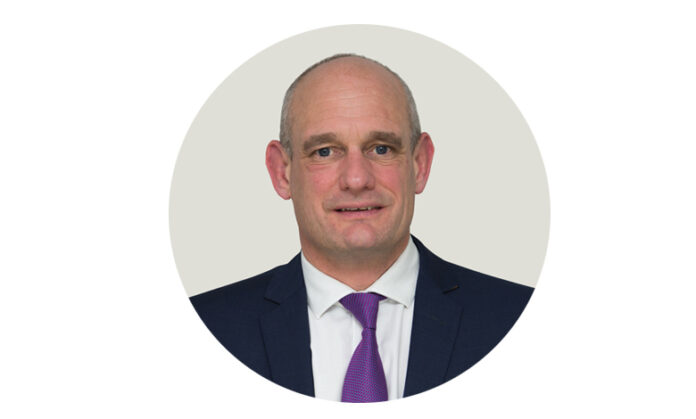
Rosa Rotko, Project Director Energy Transformation, Mott MacDonald
Persistent high energy prices and frustration about slow connections in the UK is driving many large organisations to increase energy independence, through on-site generation, energy storage and micro-grids
Economic growth and decarbonising our energy systems are two major priorities of the UK government, and it’s clear that there is a strong link between the two.
High energy prices impact business confidence, contribute to inflation, and act as a brake on growth-producing investment in infrastructure and jobs. Some of the most energy intensive sectors – which are most affected by decarbonisation and energy policy – are also those that are key for growth.
The government is aware of this and wants to unlock more green growth. But what do the organisations with the largest energy bills – such as manufacturers, ports, airports, water companies and transport firms – think about these efforts?
To find out, we commissioned a survey of large energy users (organisations with energy bills of at least £100,000 a year) to explore the measures that they believe are necessary to stimulate growth.
One of the key issues identified by over half of respondents (58%) was the need for faster grid connections, with essential sectors being fast tracked. Connections to the transmission grid are often required for energy-intensive processes such as manufacturing, but companies can wait years to get connected, hindering growth and employment as well as decarbonisation efforts.
From the perspective of attracting foreign investment, this is a major drawback, especially when combined with the comparatively high electricity prices in the UK. If you were a foreign investor deciding where to locate a factory or data centre, why would you choose a country where it can take seven years to connect to the grid, and once you do, you pay the highest electricity prices in the developed world?
It’s a problem that is acknowledged by the Government. The Chancellor said on budget day that accelerating grid connections and building new network infrastructure was “central to unblocking private investment, delivering growth in clean energy industries and other growth sectors like AI, data centres and manufacturing.” Likewise, the Clean Power 2030 Action Plan includes connections reform to accelerate key industries, and the government expect that the reforms will result in faster connections for many demand customers. It remains to be seen what impact the connections reform process led by the new National Energy System Operator will have, but the reform is much needed.
What also shines through from our survey is that many large energy users are thinking about how to become more energy independent. Over six in ten (63%) are looking to invest in their own on-site generation and storage, cutting out the grid and becoming as self-sufficient as possible. They are also taking measures to cut energy use, such as energy efficiency in buildings (82%) and digital energy management solutions (39%).
Despite the challenges they face, an overwhelming 86% in our survey agreed or strongly agreed that the energy transition would benefit their sector, with 82% agreeing that it would benefit their business specifically. However, much more government action is required in certain sectors to realise the benefits of the transition.
64% of survey participants wanted to see more support for the deployment of low carbon fuels, such as hydrogen and sustainable aviation fuel. This reflects that while companies see the benefits of sustainable fuels across the economy, the private sector alone is unable to deliver the infrastructure to make the transition viable.
It is welcome that the Chancellor has recently announced further funding for the development of low carbon fuels in aviation, as well as £350m in support for energy intensive industries to implement energy efficiency, decarbonisation and technological projects.
The Government has also promised a new industrial strategy which should in theory support large businesses, but it is not yet clear how they will consider energy as part of this. It should be a crucial component.
Most of these organisations face a long and technically complicated path to achieve net zero, in a field (energy) that is not their core business. They need to be empowered to take bold investment decisions, with the right expert support, investment funding, regulation and policy backdrop.
The government needs to harness the general positivity of the businesses towards energy transition – and help them overcome many challenges in the current market and policy design. Perhaps this will then unlock the green growth that everybody is looking for.
Heat pumps are set to become the solution that will heat homes up and down the country, offering a cleaner, greener alternative as part of the drive toward decarbonisation. The success of this transition hinges on making heat pumps not just effective, but intuitive and effortless to use, ensuring they become a seamless part of everyday life.
Rather than focus on extensive homeowner education (after all, how many of us truly understand the intricacies of our gas boilers?) we can empower homeowners by prioritising simplicity. With well-designed, user-friendly heating controls, we can ensure that everyday interactions with heat pumps are seamless, paving the way for widespread adoption and making this vital shift in home heating as effortless as possible.
For housing associations, which own and manage 2.7 million homes for six million people in England alone, delivering this simplicity will be crucial to ensuring a smooth and successful transition. On average, social housing properties are more energy efficient than other UK houses[1]. This makes them ideal for heat pumps, which thrive in highly insulated properties. Even so, the scale of the challenge is no mean feat.
For social landlords, achieving this goal means not only improving the thermal fabric of homes but also replacing traditional gas boilers with heat pumps. This mission has been supported by government initiatives such as the Social Housing Decarbonisation Fund (SHDF), however according to the National Audit Office, heat pumps represent just under 3% of the decarbonisation measures installed in social housing. Why is this?
When it comes to heating controls, British homeowners have grown accustomed to gas boilers. Unlike gas boilers, which operate at higher flow temperatures, heat pumps operate at lower flow temperatures, meaning they take longer to heat a home – so having controls that are easy to use is really important.
Yet today’s heat pumps are far from user-friendly, with one study finding that just 23% of people are able to set up a heating schedule due to unintuitive user interfaces and a lack of clear messaging. This poses a particular challenge in social housing, where tenants often don’t choose to have a heat pump installed. In some cases, tenants are offered a heat pump but may not fully understand its benefits or operation, and this disconnect leads to lower engagement. Social housing demographics also skew older compared to the broader homeowner population, creating additional barriers to technology adoption.
As a technology provider, we find ourselves one step removed from the end user, adding further complexity. For instance, an installer might set up the system, but it’s often the tenant liaison officer – already juggling numerous responsibilities – who ends up fielding tenant queries when they are having difficulty putting their heating on. The good news is that advancements in smart thermostat technology have been designed to address these challenges and are being developed with social tenants in mind. It is possible to help both tenants and tenant liaison officers with simple interfaces that make these systems as easy as possible to use.
By providing an interface for a heat pump that will be familiar to a boiler user, these smart solutions can simplify the currently complex or imprecise heating system controls. They provide a solution to controlling home comforts without the need for internet connection or a smartphone and can even lower heating bills.
Beyond user comfort, smart controls also allow tenants to earn additional income by providing flexibility to the electricity grid. In order to ensure the security of the UK’s electricity supply, heat pumps will have to form part of a smart, flexible energy system and be capable of adjusting their operation in response to national electricity requirements. Smart, connected controls make this possible by allowing heat pumps to respond dynamically to grid requirements. As a result, tenants with these advanced controls can benefit financially by participating in grid flexibility schemes, supporting grid stability while earning tenants’ money – a win win all round!
By empowering tenants with user-friendly controls, we can shift the perception of heat pumps to a more positive one and create an accessible solution to ensure no one is left behind.
Katie Rees, Head of UK Corporate, Power and Green at SEFE Energy
In 2025, the need for the public sector to minimise its carbon footprint only grows greater. In fact, the government recently announced it aims to reduce direct greenhouse gas emissions from public sector buildings by 75% for 2037.
This target will have a big impact on how institutions such as schools and hospitals plan for the next few years as they look to implement greener policies.
But where to start? One crucial way the industry can take a big step in the right direction is through better monitoring of its energy usage. So, let’s take a look at what obstacles organisations may face throughout this process and the actions they can take for positive progress.
Data to enable decarbonisation
Data is the golden thread that enables us to monitor, predict and reduce emissions. Conducting an audit to better understand this data and ensure higher accuracy is one of the most fundamental building blocks to improve energy efficiency. This is particularly important for the public sector as while precise energy data is frequently relied upon throughout the procurement procedures of public bodies, many organisations still don’t fully understand how to submit readings – or the benefit of doing so.
An audit also helps us understand trends and patterns in energy use, including leakages and identifying sites that are underperforming, enabling us to make more informed decisions for the future.
Whilst long-term technological solutions cannot be ignored, the industry needs to also focus on short term, easy to implement changes which can have a cumulative effect. The use of smart meters is effective due to its detailed real-time consumption data, helping organisations adapt quickly to changing conditions. It’s important to note that meters vary by building size and location and there are many factors that can impact the accuracy of a meter, logger or even a more advanced energy management system (EMS).
Once organisations have this right, they can then look to implement practical strategies which can notably reduce costs. This of course includes any behavioural changes that could provide a quick win.
Managing a complex regulatory framework
While data quality improvements are critical, companies must also navigate a complex and evolving regulatory framework which can make long-term planning difficult. As while the public sector is set up with frameworks which promote responsible energy practices, for example the Official Journal of the European Union, there can be unexpected changes or new policies pushed through. This is especially true when there are shifts in government which we’ve seen this year. The challenge is finding the best ways to balance the need for immediate compliance with the foresight to manage investment to address incoming regulations.
On the positive side, there are incentives and subsidies available to support the green transition, including tax breaks, grants, and low-interest loans for investments in renewable energy and energy efficiency projects. Many institutions are not aware of the benefits or lack the in-house expertise to take advantage of these and it’s an area where external consultation can be particularly beneficial.
Taking advantage of technological innovation
Looking to longer-term investments, the rapid pace of technological advancement promises new tools and solutions that can also help.
While there are cost-effective short-term solutions which can be implemented quickly, broadly speaking, transitioning to longer term green energy solutions also requires longer-term investment. Upgrading existing infrastructure, for example, or integrating renewable energy and deploying smart grid technologies.
We can expect AI and IoT devices to soon play a bigger role in optimising energy distribution and reducing losses. AI and machine learning does this by predicting demand and adjusting energy supply while IoT devices can automate and optimise energy use.
In a bid to help lower energy costs and reduce environmental impact, some businesses are starting to generate their own electricity to be used in-house and any excess is sold back to the grid. This is usually done through a power purchase agreement (PPA) which provides an opportunity to generate a further revenue stream for companies, while allowing them to reduce costs, and increase their sustainability credentials in the process.
Challenges and opportunities
As governments, suppliers and businesses continue on their decarbonisation journeys, they must strike the right balance between investing in advanced technologies and making meaningful incremental changes to operations. At the same time, accurate data is essential for informed decision-making.
While the challenges are substantial, ranging from regulatory compliance and high capital expenditure to technological integration, the opportunities are equally significant.
This article appeared in the Jan/Feb 2025 issue of Energy Manager magazine. Subscribe here.
Join us for an insightful webinar where our expert lecturers will explore the current state of the renewable energy industry and its future trends. They’ll highlight how the courses offered by the Renewable Energy Institute (REI) equip professionals and organisations with the skills and knowledge needed to navigate and lead in the global transition to sustainable energy solutions. If you are interested in any of the course topics listed on the left, join our discussion to find out more.
This webinar is free, open to the public and will take place on Thursday 30th January 2025 from 1pm – 2pm UK time. It will be hosted online, allowing people from around the world to tune in. To receive the link to the live discussion, simply head to https://www.renewableinstitute.org/join-the-institutes-online-webinar-shaping-the-future-of-renewable-energy/ and fill in the registration form. You will receive the joining instructions via email, before the event.
Don’t miss this chance to be part of the conversation about the future of our planet. Join the Institute’s webinar and better understand the current position of the renewable energy industry, the importance of training and education and the topics covered within the courses taught here at the REI.
Designed to incentivise industrial energy efficiency, the government has re-vamped the Climate Change Agreement scheme. The details of the changes are outlined below.
The CCA scheme is a voluntary scheme that allows certain energy-intensive organisations to claim back money for their energy usage. Is your organisation eligible?
Here’s what you need to know:
New applications to the scheme will be accepted from 1st May 2025.
The Climate Change Agreement (CCA) has changed so even if you are already in the CCA scheme – you need to re-apply.
The compliance date is 31st August.
DESNZ will be enforcing adherence more rigorously with fines for non-compliance.
Some organisations are able to reclaim previous overpayment of green levies.
Background
Climate Change Agreements have been in place in the UK for over 20 years, offering energy-intensive businesses the opportunity to reduce their green levies by meeting energy efficiency targets. Introduced in 2001, the CCA scheme encourages businesses in certain industrial sectors to cut energy use and carbon emissions in return for lower rates on the Climate Change Levy (CCL), a tax on energy bills.
How does the scheme work?
CCAs are available to a wide range of industries, from major energy-intensive sectors like steel, glass, data centres and textiles manufacturing to transportation logistics and intensive dairy farming. Businesses with a CCA must monitor and report their energy consumption and carbon emissions against agreed targets in two-year reporting periods.
Overview of changes to the scheme
The Government has committed to a Climate Change Agreement scheme for a further six years, with reduced Climate Change Levy (CCL) rates until March 2033.
Importantly, existing participants will not automatically be rolled into the new scheme. Each facility must reconfirm its eligibility before the new scheme begins, and a proportion of participants will be subject to audits to verify compliance with the eligibility requirements.
New entrants in existing sectors will be able to apply to join the new scheme from 1 May to 31 August 2025, using current eligibility criteria as set out in the existing legislation.
Some Associations have notified DESNZ of their intention to register a new sector or for a new process to be added to the scheme however these applications to join the scheme under these new sectors will not be available until at least 2027.
The adherence to the 70/30 rule will now be enforced more vigorously and an annual declaration will be required.
The new scheme will move to facility level reporting only (no bubbling of facilities). Light touch annual reporting on energy usage and emissions data will be introduced at the end of year one of a two-year Target Period (which will not be used to formally assess performance).
Key dates
Target Periods:
Period 1 – 1 January 2026 to 31 December 2026
Period 2 – 1 January 2027 to 31 December 2028
Period 3 – 1 January 2029 to 31 December 2030
It is strongly recommended that existing scheme members review and update their evidence packs (and particularly identifying/updating process flow diagrams/descriptions and reconfirming their 70/30 evaluation is compliant) well before the 31st August 2025 and any possible audit by the Environment Agency. New entrants should start compiling their application evidence now to be in the best position when the application window opens on the 1st May 2025.
Evidence packs must include all of the following:-
Site map showing:-
site boundary,Utility meter locations and ID numbers
boundaries/areas of the Statutory Technical Unit (STU)
boundaries/areas of Directly Associated Activity (DAA)
boundaries/areas of Non-Eligible Activity
Location plan for the site
Overall site process description
Process Description for each eligible process
Description of Directly Associated Activities (DAA) associated with each eligible process
Process flow diagrams for each eligible process, highlighting
Eligible process steps
Non-eligible process steps
Process Directly Associated Activity (DAA)
70/30 assessment reviewed in the last 12 months
Energy (invoices etc) and production/target data for the baseline (2022) and reporting years
PP10 and PP11 forms covering the period where CCL relief is claimed
Copy of the sites underlying agreement
Performance to target calculation and submission data
Free CCA clinics available 30th January and 6th February 2025
JRP can assist in reviewing and updating your evidence pack, determining your eligibility, help with the application process, and manage ongoing compliance. Additionally, we can help identify energy efficiency opportunities and support their implementation.
With greater than 25 years’ experience across all sectors and industries, JRP experts can offer valuable insights and solutions for any Net Zero or energy management issue.
If there is a specific date or time that works better for you, please reach out and we will try to accommodate. Call us on 0800 6127 567 or email owen.jones@jrpsolutions.com.
This article appeared in the Jan/Feb 2025 issue of Energy Manager magazine. Subscribe here.
SSE Energy Solutions has been named as Stoke-on-Trent City Council’s exclusive strategic energy partner for heat networks, setting the stage for the development of sustainable heating solutions across the city.
This comes as part of a comprehensive Memorandum of Understanding (MoU) signed between the two parties which aims to drive forward Stoke-on-Trent’s ambitious energy strategy, focusing on timely decarbonisation while fostering economic growth, job creation, and skills development in the green energy sector.
Under the agreement, SSE Energy Solutions and Stoke-on-Trent City Council will collaborate on mapping out the city’s wider path to net zero, which could potentially encompass a range of initiatives beyond heat networks.
Key areas of cooperation include exploring opportunities in renewable energy generation, such as solar and wind projects, to boost clean power production in the region. The partnership also has scope to investigate the creation of electric vehicle charging hubs across the city and consider innovative heat solutions,
According to recent government figures, heat networks are projected to meet 20% of the country’s heat demand by 2050 and are seen as a crucial component in the UK’s strategy to decarbonise heating, which currently accounts for 37% of CO2 emissions.
Nathan Sanders, Managing Director of SSE Energy Solutions, said:
Nathan Sanders, managing director of SSE Energy Solutions, with Jon Rouse, chief executive of Stoke-on-Trent City City Council
“Our partnership with Stoke-on-Trent City Council represents a shared vision for a cleaner, greener future. By combining SSE’s expertise in sustainable energy solutions with the Council’s deep understanding of local needs, we’re creating a strong foundation for the city’s energy transition.
“This collaboration extends beyond reducing carbon emissions – it’s about supporting Stoke-on-Trent’s shift to a low-carbon economy. We’re eager to work with the Council to explore innovative energy solutions that will contribute to the city’s sustainability goals and benefit its businesses and communities.”
The agreement expands on SSE Energy Solutions and Stoke-on-Trent City Council’s existing relationship, broadening its remit to include social value initiatives which prioritise local skills development and job creation in the green energy sector, ensuring community benefits from the low-carbon transition.
Councillor Finlay Gordon-McCusker, cabinet member for transport, infrastructure and regeneration, said:
“It’s great to have entered into this partnership with SSE, and comforting to know our vision for a cleaner, greener future is shared. In addition to this agreement to work together, SSE will also commit to helping develop local skills to support the delivery of milestone projects and using local suppliers and workforce.
“As a city, we continuously seek innovative solutions to support residents, businesses and communities with realistic and achievable energy solutions. This new agreement will also cement our commitment within the green energy sector, and in turn, show how attractive the city is for future development opportunities.”
The MoU sets out a five-year collaboration period, with the potential for extension, underlying both parties’ long-term commitment to Stoke-on-Trent’s sustainable future.
The announcement is part of SSE’s wider commitment to investing in the UK’s transition to net zero. The company is investing £20.5bn in clean energy infrastructure by 2027, working with local authorities and businesses across the country to create sustainable communities and drive economic growth.
As the UK embraces a future free of fossil fuels, electrification has become a central pillar of its decarbonisation strategy. From transportation to industry, sectors are transitioning to electric solutions to reduce their carbon footprints and align with the nation’s net-zero targets by 2050.
For the housing sector, this transition involves replacing traditional, carbon-intensive heating systems with electrified, low-carbon alternatives. However, the rapid shift to electrification is creating unprecedented demand on the UK’s electricity grid, highlighting the need for efficient and resilient technologies that support sustainability without compromising reliability.
We’re responding to this challenge with low carbon heating solutions, including Networked Ground Source Heat Pumps (NGSHPs), Community Heat Hubs (CHHs), and a bundled smart thermostat solution. Together, these innovations are designed to offer housebuilders, residents, and the grid itself a sustainable path forward.
Electrification and its impact on the UK grid
The move towards electrification in the UK is set to increase demand on the National Grid significantly. The National Energy Systems Operator (NESO) has advised that that country can achieve Clean Power by 2030[1] but a once in a generational shift in approach and the pace of delivery is required.
The National Grid predicts that as more sectors electrify, electricity demand could double by 2050, driven largely by the adoption of electric vehicles (EVs) and heat pumps. This growing demand is challenging the grid’s capacity, especially as the country phases out fossil-fuel-based generation and pivots towards renewable sources such as wind and solar. Though sustainable, these sources are inherently variable, creating the need for balancing measures to manage supply and demand.
Heating is a substantial part of household energy consumption, and the shift from gas to electric heating will put even more pressure on the grid, especially during winter months when demand for heat peaks. To mitigate these challenges, the UK housing sector must adopt high-efficiency, low-carbon heating solutions that reduce the overall load on the grid while meeting the Future Homes Standard’s requirements for sustainability and energy efficiency.
Technologies like Networked Ground Source Heat Pumps and Community Heat Hubs when combined with intelligent controls, offer an effective, scalable response to these challenges, providing reliable heating that supports the grid’s resilience.
Networked Ground Source Heat Pumps: efficient, low carbon heating for new homes
Networked Ground Source Heat Pumps are designed to harness the earth’s natural thermal energy to provide stable, efficient heating for new residential developments. Unlike traditional boilers, which rely on fossil fuels, Networked Ground Source Heat Pumps use electricity to extract and amplify heat from the ground, providing a renewable, low carbon heat source. Because Networked Ground Source Heat Pumps use electricity more efficiently than conventional electric heating options, they require less power to achieve the same level of comfort, reducing the strain on the grid during high-demand periods.
For housebuilders, Networked Ground Source Heat Pumps offer a practical solution to the challenge of electrification, as they are well-suited for new homes designed with the Future Homes Standard in mind. By eliminating the need for gas infrastructure and delivering high-efficiency heating, Networked Ground Source Heat Pumps align closely with modern sustainability requirements, enhancing both the environmental and market value of new homes. The bundled smart thermostat enables residents to control and monitor their heating system intuitively, optimising usage and further reducing their carbon footprint. For developers, this intelligent heating solution makes homes more attractive to environmentally conscious buyers while helping them meet regulatory requirements.
Community Heat Hubs: centralised low carbon heating for multi-unit developments
For larger developments or urban settings, where installing individual heat pumps may not be practical, Community Heat Hubs provide an efficient, centralised solution for low-carbon heating. Using a shared heat network, Community Heat Hubs distribute low carbon heat to multiple homes from a single, scalable source, making it easier for developers to deliver sustainable heating solutions for social housing projects, multi-unit buildings, and mixed-use developments.
Community Heat Hubs are particularly valuable from a grid perspective. By centralising the heat source, they can be configured to draw power during off-peak times, reducing grid stress and enabling more balanced energy distribution across neighbourhoods. Additionally, a Community Heat Hub’s integration with energy management technology means that heating can be intelligently distributed across units, ensuring efficient operation that aligns with both user demand and grid capacity. By enhancing efficiency at scale, Community Heat Hubs offer house builders, housing associations and local authorities a cost-effective, low carbon heating option that supports community-wide sustainability goals.
One of the most significant advantages of our heating solutions is the integration of smart thermostat technology. The smart thermostat is designed to work seamlessly with Networked Ground Source Heat Pumps and Community Heat Hubs, providing residents with intuitive control over their heating systems. By giving users real-time data on energy consumption, these smart controls enable them to monitor and adjust their usage to reduce energy waste and lower costs, contributing directly to sustainability.
For housebuilders, this smart technology offers a way to future-proof new homes. As the energy landscape evolves, the system can adapt to integrate with renewable sources, support demand-response initiatives, and accommodate future upgrades. The smart control’s ability to manage energy demand also provides flexibility for the grid, helping to balance peak loads and enhance system stability. For residents, the thermostat’s user-friendly interface and data insights promote more conscious energy use, empowering them to make sustainable choices without compromising comfort.
Towards a low carbon, electrified future
These solutions represent a meaningful step forward in the UK’s journey to electrify and decarbonise the housing sector. As the grid adapts to meet rising demand, innovative technologies like Networked Ground Source Heat Pumps and Community Heat Hubs will be instrumental in creating homes that are both comfortable and eco-friendly. Through efficient, user-controlled heating systems, we are not only supporting the Future Homes Standard but also contributing to a grid-friendly, low-carbon future that benefits housebuilders, residents, and communities alike.
PV panels and air source heat pumps have been installed, creating homes fit for the future.
Residents in Derbyshire are set to benefit from a series of retrofit works to estates in New Mills and Tintwistle which will make their homes fit for the future.
High Peak Borough Council (HPBC) worked with Seddon Housing Partnerships and Michael Dyson Associates on the 40-home project, which has just completed, and has seen major improvements to homes on estates in New Mills and Tintwistle to make them good quality, safe and warm.
The work being undertaken included installing loft insulation, PV panels and batteries, fresh ventilation systems, air source heat pumps and to make cavity wall remediations to ‘greatly improve the quality and energy efficiency of the homes, as well as improve comfort for those living in them and lower their bills’.
HPBC and Seddon have also been working with the Marches Energy Agency charity, who has been providing energy saving support to those who live on the roads, particularly around the cost-of-living.
Engaging with local people has been at the heart of the improvement works. HPBC and Seddon Housing Partnerships have been keen to make sure each person living in the home feels heard and has provided each one with a trained retrofit advisor who has helped with a range of matters, such as access to free energy saving advice. The aim is to maximise the benefits for each resident and the wider support available to be able to upskill the residents so they know how to better use their energy.
The project has been delivered through the Pagabo Decarbonisation Solutions Framework, which focuses on improving energy efficiency and reducing operational carbon emissions.
Energy saving and green opportunities make up a large part of HPBC’s plans for the area. Four of their key themes include supporting communities to a create healthier, safer and cleaner region, a forward-thinking and resilient local authority, protecting and creating jobs and responding to the climate emergency.
Councillor Fiona Sloman, Executive Councillor for Housing and Licensing from High Peak Borough Council, said: “Future proofing our housing stock and responding to the climate emergency are among the five aims that make up our Borough Plan, so retrofitting properties is absolutely key for us.
“We are acutely aware of the challenges of heating homes and using energy efficiently. This work is therefore also timely and will help our tenants keep on top of their energy bills.”
Tom Retallick, Framework Manager at Pagabo, added: “This public housing project in Derbyshire is an exemplar strategic retrofit project, showcasing the part it can play in improving communities for local authorities, as well as adhering to environmental commitments – all of which will become more and more key in years to come. With proven expertise in this area, we’re sure Seddon will deliver on its huge potential and we look forward to seeing its progression.”
Martin Lynch, Head of Refurbishment and Retrofit at Seddon Housing Partnerships, said: “Providing safe, comfortable and quality homes is extremely important to us at Seddon.
“We know a successful refurbishment and retrofit goes beyond the structure, it feeds into residents’ every day lives and impacts their well-being.
“So, we work extensively before, during and after works making sure each resident is happy and each feels their voice is heard. For example, each resident has been assigned their own liaison officer who has been actively listening and taking on board questions, comments and concern from locals throughout the process.
“We are delighted to now showcase the completed efforts and look forward to the residents enjoying these works.”
Seddon Housing Partnerships is part of the Seddon family of services. It is headquartered in Bolton, Greater Manchester.
While the COP29 outcomes were decidedly mixed, the latest annual UN climate meeting in Azerbaijan produced several potentially transformative developments for the voluntary carbon market. With climate finance needing to increase at least five-fold from current levels to $1.3 trillion annually to limit warming to below 1.5°C1, carbon markets are essential for mobilising private sector investment alongside public funding.
After years of gridlock, countries concluded negotiations on Article 6 of the Paris Agreement, laying critical foundations for the mechanisms expected to finally bring the market to scale. In contrast, the agreement on climate finance was extremely underwhelming, with wealthy countries offering far less than what developing countries – and UN research – said was needed. The conference also saw important progress on adaptation planning and saw new pledges to the Loss and Damage Fund established at COP28, though significant work remains to operationalise these advances. Below, we explore these key outcomes, and how Article 6 may provide a silver lining for disappointed onlookers.
Climate finance: Promises fall short
Developing countries arrived in Baku hoping to secure $1.3 trillion in annual climate finance, mainly from public sources via grants or concessional loans, to help with their increasingly urgent climate change mitigation and adaptation efforts. However, the developed countries traditionally responsible for these transfers were reluctant to pledge finance from public sources, for reasons both fiscal and political. Ultimately, the final text promises a New Quantified Collective Goal (NQCG) of $300 billion per year by 2035 – a significant increase from the prior $100 billion. But there are no specific commitments for the desired country-to-country grants, possible funding sources include loans and private actors, and there are no real consequences should the agreed target be missed.
There is widespread feeling that the NQCG text represents wealthy economies shirking their climate responsibilities, which is supported by the move to expand the pool of countries deemed responsible for financial transfers. Developing countries and other stakeholders are understandably unhappy, with the agreement being described as a “betrayal”. With uncertainty about climate action brewing in the US, there is little optimism that the public climate finance landscape will evolve positively before COP30 in Belém, Brazil.
While the shortfall in public climate finance commitments is concerning, both public and private funding must work in tandem to address the climate challenge ahead. Government finance plays an irreplaceable role in funding vital climate priorities like adaptation measures for vulnerable communities and support for developing countries to transition to cleaner energy systems. But given the scale of investment needed, carbon markets have emerged as a crucial complement – they create market signals that drive private capital toward emissions reduction projects, enable companies to support climate action beyond their own operations, and help scale proven climate solutions. The key is ensuring these mechanisms work in concert: public finance can de-risk early-stage investments and build market foundations, while carbon markets can then rapidly mobilise private capital into proven approaches.
Article 6: Frameworks for carbon trading take shape
Fortunately, public grants are far from the only means of delivering effective climate finance. Political wrangling over Article 6 is finally over, with any remaining debates now in the hands of UN technical supervisory bodies. Although the impact of this year’s decisions will not be observed immediately, they could be significant for the future of global carbon markets and the communities that rely on them.
Article 6.2: Bilateral trading
Article 6.2 covers the bilateral trade of carbon credits between countries and private entities. These transactions are based on “authorisation” from the host country that it will apply corresponding adjustments to the associated emissions reductions. Previously, there had been uncertainty about the conditions under which these authorisations could be changed or even revoked – potential buyers were concerned that countries would make such decisions unilaterally and undermine the value of purchased credits. A key agreement at COP was that changes to authorisation can only occur under specific conditions, which the host country must establish when giving the initial authorisation. Negotiators also decided that countries can choose whether to conduct Article 6 trades on their own registries or using a centralised registry administered by the UN.
By reducing investor risk and clarifying the pathway for countries to bring supply online, these decisions should support a significant ramp-up in the issuance of correspondingly adjusted carbon credits in 2025 and beyond. This is fantastic news for communities that host these projects, whether they be nature-based, like reforestation and forest protection efforts, or community/technology based, such those that disseminate cleaner burning household cookstoves. These developments are also positive for companies seeking to secure early stocks of CORSIA-compliant credits.
Article 6.4: The new Paris Agreement Crediting Mechanism (PACM)
Article 6.4 covers the creation of what is now dubbed the Paris Agreement Crediting Mechanism (PACM), a new crediting standard serving as the official successor to the Clean Development Mechanism (CDM). Negotiators made headlines early in COP by rapidly agreeing to two proposed standards concerning the methodological and procedural requirements for projects to be registered under the PACM. With clear quality standards in place, now begins the process of determining which CDM projects can transition to the PACM – with some observers anticipating the first issuances of PACM units from transitioning projects in early 2025.
However, most interest in the PACM is linked to the future issuance of credits from projects following new methodologies. The aforementioned supervisory body will be working to finalise these approaches next year, in line with agreed Article 6 standards on environmental integrity and social impacts. Project developers will be required to follow clear guidelines on quantification but also encouraging the participation of local communities and a broad, representative set of stakeholders. While the market outlook remains unclear, credits carrying an effective stamp of approval from the UNFCCC will be in high demand whenever they become available.
UK Voluntary Carbon Market Principles
A notable development at COP29 was the UK’s launch of new principles for voluntary carbon markets2, which could help strengthen market integrity at a critical time. The framework, announced by Climate Minister Kerry McCarthy, sets out requirements for transparent reporting, quality standards for carbon credits, and integration of biodiversity considerations. It aligns with existing initiatives like the Voluntary Carbon Markets Integrity Initiative (VCMI), aiming to create consistent standards across the market.
The principles are significant because they represent one of the first government-led frameworks specifically designed to enhance confidence in voluntary carbon markets. By providing clear guidance on what constitutes high-quality carbon credits and appropriate claims, the UK aims to help businesses make credible use of carbon markets alongside their own emission reduction efforts. The framework will undergo public consultation in 2025 to refine its approach.
Adaptation and Loss and Damage Fund: Building on COP28
Beyond finance, COP29 delivered two significant developments with particular importance for developing nations. The conference made notable progress on adaptation by establishing a framework of up to 100 quantifiable indicators to measure implementation of the Global Goal on Adaptation (GGA). This development addresses a longstanding challenge in climate policy: the difficulty of measuring and comparing adaptation efforts across countries. The introduction of specific metrics will enable nations to demonstrate concrete progress in building climate resilience as they work to complete their National Adaptation Plans by the 2025 deadline.
On loss and damage, COP29 saw additional pledges to the Fund for Responding to Loss and Damage (FRLD) established at COP28. Several countries including Australia, Austria, Luxembourg, New Zealand, South Korea and Sweden, along with Belgium’s Wallonia region, committed an additional $85 million, bringing total pledges to $759.4 million. However, this remains far below the estimated $580 billion in annual losses and damages expected by 2030. The conference also attempted to review the Warsaw International Mechanism for Loss and Damage but failed to reach consensus on key issues, such as guidelines for incorporating loss and damage in national climate plans.
Looking ahead
There is no hiding that Baku failed to live up to its billing as the “Finance COP”. The failure to secure an acceptable NQCG deal, combined with the inability to reach consensus on key aspects of the Warsaw International Mechanisms for Loss and Damage, suggest much work remains before COP30. While new pledges to the Loss and Damage Fund are welcome, the total remains far below the scale needed to address growing climate impacts. Similarly, while the agreement on adaptation indicators represents progress, the hard work of implementing and tracking them still lies ahead.
As daunting a prospect as that may be, 2024 has seen genuine progress in the voluntary carbon market, with exciting developments regarding Article 6, integrity frameworks like the Integrity Council for the Voluntary Carbon Market (ICVCM) Core Carbon Principles (CCPs), and pioneering compliance mechanisms like CORSIA and the EU Carbon Removals and Carbon Farming Regulation (CRCF) – a voluntary regulatory framework for the certification of permanent carbon removals, carbon farming and carbon storage in products activities.
For those committed to pursuing positive climate outcomes amidst a complex political landscape, the path forward requires progress on multiple fronts – strengthening both market mechanisms and public finance while ensuring adaptation and loss and damage receive the attention they deserve. As we look toward COP30 in Brazil, the challenge will be converting this year’s frameworks and promises into tangible action.
One of the basic principles of physics is that hot air rises.
This fundamental law of nature poses significant challenges for companies trying to maintain consistent temperatures throughout their buildings for processes, customers, staff, and stock. Inefficiencies in heating, cooling and air conditioning systems are costly and wasteful and these temperature differences can greatly impact energy expenses, staff productivity, customer experiences, carbon emissions and more.
What is thermal stratification and how does it create problems in maintaining constant temperatures
The problem arises from the formation of natural thermodynamic layers or ‘Thermal Stratification.’ Warm air rises while cool air falls, creating a temperature gradient from the warmest at the ceiling to the coldest at the floor. This results in buildings typically heating spaces from the top down, while cooled air becomes trapped in localised areas as it’s heavier and more difficult to circulate evenly. The larger and more open the space, the more problematic thermal stratification can be. (Find out more about the process of stratification and evolution of destratification fans here — The Missing Piece To The HVAC Puzzle)
What are destratification fans and how do they help?
In buildings taller than 4 metres, ceiling temperatures are higher than those at ground level, where conventional thermostats are usually placed. The temperature difference between layers can be substantial, depending on the design and architecture. The taller and more open a building is, the more likely it is to experience issues with thermal stratification.
Heating and/or cooling buildings effectively and efficiently requires a specialist solution and this is where destratification fan systems can help.
Destratification fan systems are designed to balance temperatures within buildings. These powerful, targeted fan systems constantly mix all the air in the space, pushing warmer air back down to ground level and breaking up the temperature layers. This continuous recirculation results in a more even temperature throughout, optimising environmental control, reducing energy bills and making it easier to maintain comfortable conditions for customers and employees.
Commercial benefits for business owners
When it comes to thermal stratification, there are two main issues that business owners need to be concerned about:
Unnecessarily High Energy Costs — As thermal stratification occurs, boilers and air-con systems are unnecessarily forced into action from the ‘false’ readings at ground level. Over-heating can then occur in spaces closer to the roof, or over-cooling in cold spots and difficult to circulate areas.
Environmental impact and Energy Use — In an era where companies are judged by their ‘green credentials’, increased use of energy raises the company’s carbon footprint. Customers who are more environmentally savvy can turn away from businesses where environmental standards fall short.
Helping the environment and saving you money
According to The Carbon Trust, destratification systems can reduce HVAC energy consumption by up to 20%. However, customers using the next generation of axial turbine destratification fans have reported reductions exceeding 50%. Investing in destratification technology can deliver significant long-term financial benefits and support a company’s environmental goals. Most businesses recover the cost of their destratification system within 8-18 months, with some achieving payback within a single season. In the case of Lush Cosmetics, the payback period was as short as one month — Lush Cosmetics Saves 61% On Heating In 1 Month
Destratification systems optimise heating by capturing the heat at the higher ceiling levels and forcing it downwards. To optimise cooling the fans are installed lower than ceiling height and focus on circulating the cooled air supplied by air con systems evenly within the space. In some cases, the controlled air movement generated by the fans is sufficient to provide cooling in the UK and similar climates. The more efficient the design and engineering, the more effective the solution is and the bigger the savings. Energy use is much lower, and temperatures in the workspace are more comfortable for everyone.
In recognition of the green benefits of installing a modern and energy efficient destratification systems many governments and finance providers offer subsidised (or otherwise incentivised) financial packages designed to encourage take up. For example, in the UK, Salix Funding offers 0% financing on eligible systems. And, across the EU, ERDF (European Regional Development Fund) funding is available for energy efficient projects.
Airius is a UK-based company dedicated to designing and installing world-class thermal destratification fan systems. Founded in 2004, Airius serves Europe, Africa, the Middle East, and Asia, with additional offices in the USA and Australia. The company provides customers with a 120-day, no-questions-asked, full money-back guarantee and 5-year fan warranty, offering the reassurance and peace of mind needed when making an investment.