
Smart Energy Management in Multi-site PBSA

In the highly competitive Purpose-Built Student Accommodation (PBSA) sector, multi-site operators need systems that donโ€™t just work, they need systems that drive operational efficiency, cut costs, and enhance the student experience across their entire property portfolio. Thatโ€™s exactly why many nationwide PBSA providers are specifying smart energy management systems.

At the heart are centralised cloud-based management platforms. Operators monitor and control space heating, water heating, leak detection, water wastage, kitchen safety and utility consumption across multiple sites from a single dashboard. This eliminates the need for costly site visits or time-consuming manual adjustments. Whether managing 300 or 30,000 bedrooms, smart management gives complete control, visibility and intelligence at scale โ€” delivering consistency and peace of mind.

Cost reduction is immediate and measurable. Prefect Irus intelligently controls heating at the room level, using occupancy detection and tailored heating schedules to ensure that energy is only used when necessary. Rooms arenโ€™t heated when empty, and students have sufficient control to adjust their environment within pre-set limits. For operators managing thousands of rooms, these small savings compound into significant annual reductions in energy consumption and utility costs. 50% savings on heating load are not uncommon.

Likewise, accurately managing water heating in line with demand can produce as much as a 30% saving in energy use and significant reduction in water consumption. The associated costs of repair and insurance premiums can also be reduced with the integration of leak detection, to mitigate the effects of escape of water, and installation of hob auto-shut-off devices to reduce the risk of cooking fires.

Utilities VS staffing costs

Energy efficiency is a critical priority in PBSA operations. Utilities often represent the highest single operational expenditure and are comparable with staffing costs. The amount spent on utilities is more volatile, prices fluctuate, they are affected by weather, occupant behaviour, and macro-economic factors. These present difficulties in forecasting.

Conversely staff costs are more stable and predictable particularly when scaling up operations. They are generally fixed costs. Rises can be anticipated with careful management of wage inflation and recruitment.

The use of systems such as Irus make utility use, and therefore costs, more visible and easier to control. Automated functionality delivers efficiencies and far greater savings potential in terms of both utility cost and staff engagement.

Sustainability is built in

With ESG goals, net-zero targets, and growing demand from students for environmentally responsible accommodation, Irus helps PBSA operators demonstrate measurable carbon reductions. Detailed energy usage reports support compliance and accreditation, making it easier to meet regulatory demands while strengthening their brandโ€™s sustainability credentials.

Operational efficiency also gets a major boost

Itโ€™s not just control heating; Irus actively supports maintenance teams. Real-time fault alerts allow for preventative maintenance, reducing downtime and minimising reactive repair costs. Management teams can diagnose and address issues remotely before they escalate, improving service levels and reducing student complaints.

And most importantly: students are happy

Irus strikes the perfect balance between comfort and efficiency. Students get an easy-to-use interface to control their room temperature, while operators maintain overall control to prevent energy waste. The result is greater student satisfaction, fewer temperature-related service calls, and an enhanced reputation for the accommodation site.

Providers need more than just heating controls, they need a smart, scalable, and future-proof solution, intelligent room-level control, occupancy detection, and adaptive heating schedules that reduce unnecessary heating. Irus delivers exactly that, making it the go-to choice for multi-site PBSA operators who want to protect their margins, reduce energy consumption, and offer an outstanding student experience across their portfolios, nationwide.

Irus โ€“ Control. Visibility. Intelligence.

Prefectcontrols.com


This article appeared in the October 2025 issue of Energy Manager magazine. Subscribe here.

Renewables at a crossroads – Turning grid instability and policy uncertainty into strategic advantage

Roberto Tundo

Roberto Tundo, BaxEnergy Executive Vice President

How companies can overcome fragmentation, investment risk, and system volatility by adopting intelligent energy technologies

The renewable energy sector is in a constant upwards spiral of growth and evolution. These changes have brought on a new set of priorities, especially around the importance grid stability and smooth integration of renewable energy sources. The latter is a challenge to most countries, although each of these geographies has its additional new unique set of obstacles to overcome.

Businesses are at the forefront of the decarbonisation revolution, and it is essential for them to understand these differences in order to navigate them and advance in their shift towards sustainability.

Thankfully, technology is evolving fast enough to turn these country-specific challenges into opportunities. From asset performance management software to battery energy storage systems, these solutions will reinforce efforts made by both the private and public sectors to keep moving towards a sustainable, strong and stable grid. 

One Country, One Challenge

Businesses in the renewable sector, regardless of where they operate, face the same challenges: intermittency of power, securing investment, grid integration and stability. Nevertheless, all countries have different geographical and historical experiences, that bring with them a unique set of obstacles.

We can find good examples of this on both sides of the pond. In the United States over the last few years the renewable energy market experienced a boom that was supported by state and federal policies like the 2022 Inflation Reduction Act (IRA). This policy has driven unprecedented growth in since it was created, but recent legal and political challenges as well as regulatory inconsistencies across the many states brought high levels of uncertainty, which have slowed down momentum and, in some extreme cases, taking companies to bankruptcy.

In May this year we saw the US government approve the Big Beautiful Bill, which is threatening to reverse a lot of the progress made in energy storage, wind and solar projects that would have before been eligible for tax credits established by the previous US administration. These big political changes are also making investors more risk-averse and have already started reversing the progress made.

On the Iberian peninsula, Spain has become a world leader in renewable energy, with one of the largest solar and wind power capabilities in Europe and beyond. Unfortunately for the country, as impressive as its fast-paced adoption of clean power has been, it has also exposed severe vulnerabilities in its gridโ€™s resilience. These were brought to light during the peninsula-wide blackout that took place in April this year, which brought to attention the need for robust balancing and backup mechanisms.

Sitting in between these two, the United Kingdom faces its own challenges and network connection delays, with projects taking years to connect to the power grid. The UK government recently announced the National Energy System Operatorโ€™s (NESO) new plan to reform grid connections and unlock billions in investment, as part of the organisationโ€™s efforts to prioritise clean energy projects through a new fast-track queue.

The UKโ€™s Contracts for Difference scheme is another good example of a successful initiative to support low carbon electricity generation. Launched ten years ago by the Department for Energy Security and Net Zero to incentivise investment into renewable energy, it has so far resulted in 128 renewable electricity projects being developed across three signed CfD contracts, which are delivering enough power to light up 11 million homes – a total of 9.6GW.

Key opportunities for the sector

The biggest opportunity for the renewable energy sector lies in the merging of clean energy with advanced technology that turns intermittent renewable generation into high-value and reliable power. As countries race toward net-zero targets, the scale of deployment needed is enormous and companies that can deliver projects efficiently and integrate them smoothly will become market leaders. 

I believe that there are two pieces of technology that will be central to this transformation. The first one is Battery Energy Storage Systems (BESS), which will be key to provide fast-response power to optimise its distribution while ensuring the grid remains stable. In turn, this transforms renewable plants from mere energy suppliers into flexible resources that can replace traditional power plantsโ€™ roles. Supported by AI, real-time controls and data analytics, businesses will be able to sustainably optimise their assetsโ€™ performance, by increasing the value of each megawatt.

Secondly, intelligent control platforms, such as Asset Performance Management (APM) software, will be key. These platforms integrate multiple energy assets into a unified control layer, participation in ancillary service markets, enabling predictive analytics and efficiency optimisation. Itโ€™s not only large established market players who can access APMs โ€“ community projects and smaller-scale operators have many platforms available that offer these services, providing the opportunity to start optimising and optimising their assets

APMs bring data-driven decision-making to businesses who might have otherwise relied on spreadsheets or disparate OEM platforms by lowering the barriers to entry. Users have the opportunity to onboard their assets within minutes, integrate data from wind, solar, and battery systems all in one place as well as design and configure custom dashboards. Major players and small IPPs are equally empowered by the ease of use and scalability APMs bring with them, which will be increasingly important as the sector keeps growing.

There are changes ahead

Despite the growing pains the renewable energy sector is experiencing, we are now going through a time full of opportunities. Solutions are being developed for the range of challenges different countries are facing, some through policy and other through technology. These results will benefit businesses across borders.

Finding ways to tackle these obstacles is key for governments who want to support businessesโ€™ efforts to decarbonise. Technology and innovation are essential parts of this journey – the most durable long-term solution to address reliability and sustainability simultaneously is for businesses is to embrace BESS and APM. This technology will be essential in the next few years as the sector continues to mature and sets itself up as a reliable and sustainable energy source. Furthermore, in a market that is becoming more dynamic, AI and decentralised energy systems will enable renewable operators to play a role in grid balancing.

Businesses navigating the renewable transition face growing complexity, from policy reversals to grid instability. But through effective control platforms and scalable energy storage, companies can transform these risks into a competitive edge. The winners will be those who integrate fast, scale smart, and embrace data-led sustainability.

www.baxenergy.com


This article appeared in the October 2025 issue of Energy Manager magazine. Subscribe here.

The importance of thermally isolating HVAC systems to meet industry aims

In the industry today, construction projects have shifted focus to implementing solutions that help create energy-efficient buildings and also improve air quality, all in the aid of futureproofing our environment. It is no stranger to anyone that there is a strong emphasis across many industries to implement sustainable solutions and support the race to net zero, and for the construction sector, building energy-efficient buildings is vital to ensuring we reach the low emissions target. But, this isnโ€™t the only concern as indoor air quality (IAQ) must also be addressed. 

According to the National Human Activity Pattern Survey (NHAPS), adults in the UK spend approximately 90% of their lifetime indoors, unbeknowingly breathing in harmful pollutants, originating from mould spores and volatile compounds in household products. Because of this, there has been a rise in installing HVAC systems in order to improve a buildingsโ€™ efficiency and its indoor air quality, but due to disrupting the continuous insulation of the building envelope, they arenโ€™t as energy-efficient as you might think. Paul Beech, General Manager at Armathermโ„ข, discusses more about the importance of thermally isolating fixtures to ensure optimal efficiency and reduce energy loss.ย 

HVAC systems have become one of the go-to solutions to help regulate temperatures in both new and existing buildings, with the idea that they would help to improve the efficiency of the building by reducing energy usage and costs. However,  because of the way they are installed, it actually compromises it. This is because when it comes to thermal performance, anything that penetrates the building envelope can create a bridge which allows energy to transfer easily through the connection, causing issues with heat loss and condensation. Due to how HVAC systems are installed, they are susceptible to thermal bridging occurring and if left unaddressed, the problems connected with it.

Often overlooked, thermal bridging is a common issue which can be combatted by isolating the connections where highly conductive materials meet and where the building envelope is penetrated. When solutions are not put in place surrounding thermal bridging, these areas are vulnerable to cold spots which can lead to condensation and mould growing within the walls. This further adds to the issue surrounding poor indoor air quality as the element that is supposed to be improving the IAQ, is actually part of the problem. Because of this, it is essential that the connection between the HVAC and the building envelope is properly isolated to prevent thermal bridging and the subsequent health issues associated with poor indoor air quality.

This doesnโ€™t mean that HVACs shouldnโ€™t be installed as they can be vital to reducing energy usage by regulating temperatures, which with the ever nearing goal of net zero looming, it is essential that any factor that could improve a buildingโ€™s efficiency is considered. But, it does mean that solutions that combat thermal bridging also need to be implemented to ensure that the HVAC is as effective as possible.

Thermal breaks are one solution that have been developed to help combat thermal bridging, with various products on the market to be utilised in different applications. In this case, thermal breaks can be installed to isolate the connection between the HVAC system and the building itself, restricting the movement of energy. Implementing these solutions reduces heat loss by up to 90%, improving the overall efficiency of the building, whilst also combating the issues surrounding condensation and henceforth enhancing the indoor air quality. Although it isnโ€™t compulsory to put these solutions in place, it is however recommended that they are considered especially with the net zero aims that need to be met and the health risks associated with poor indoor air quality.

To ensure that the industry meets its sustainability targets, reducing energy is one of the major changes that need to be made. By installing solutions like HVAC systems, they can considerably help to limit overconsumption of energy by regulating temperatures, but to ensure they work efficiently, it is vital they are also implemented in conjunction with thermal break solutions. This is because HVAC systems disrupt the continuous insulation of the building. There are other sustainable solutions that can be implemented to help reduce energy consumption such as utilising renewable sources or upgrading insulation and windows, but again these elements also penetrate the building envelope causing problems with thermal bridging. Therefore, in order to be more successful in limiting energy usage, whilst meeting net zero aims and reducing the risk of poor indoor air quality, combating thermal bridging is the problem that needs addressing.

www.armatherm.co.uk


This article appeared in the October 2025 issue of Energy Manager magazine. Subscribe here.

Powering the future: decarbonisation through public sector electricity generation

Davide Natuzzi, assistant director, energy, carbon and technical, Salix.

Davide Natuzzi, assistant director, energy, carbon and technical, Salix

As the UK accelerates its journey toward net zero by 2050, decarbonisation of the public sector has emerged as a critical frontier.

Central to this transformation is the generation of clean electricity within public buildings. This offers an approach that not only reduces carbon emissions but also enhances energy resilience and financial sustainability for decarbonisation solutions applied in public buildings which require substantial power usage to operate.

Electricity generation is a foundation of decarbonisation. By shifting away from fossil fuels and embracing renewable technologies, public sector organisations can significantly reduce their carbon footprint.

Solar photovoltaic (PV) systems offer a proven and scalable solution. In short, these systems connect the sunโ€™s energy to produce electricity, eliminating greenhouse gas emissions and reducing reliance on the grid.

Public buildings, such as schools, hospitals, libraries, and council office, are uniquely positioned to lead this transition. With large roof spaces and consistent energy demand, they are ideal candidates for solar PV installations.

The benefits can be many sided: reduced energy bills, improved energy security, and enhanced environmental credentials. Moreover, these installations often serve as visible best practice and examples of sustainability, inspiring communities and stakeholders alike.

Through my work at Salix, I see first hand how the benefits of clean energy are impacting communities.

However, the journey is not without risks. Fluctuating energy prices, evolving policy frameworks, and technical challenges can complicate implementation. Additionally, without robust energy management systems, the full potential of on-site generation may not be realised.

Effective design, project verification, measurement and verification strategies, monitoring, control, and optimisation are essential to ensure that systems operate efficiently and deliver expected savings.

Recognising these challenges, Salix has played a pivotal role in supporting public sector organisations.

Through the Public Sector Decarbonisation Scheme (PSDS), we have enabled hundreds of projects across England to install solar PV systems. Since the schemeโ€™s launch in 2020, more than ยฃ277 million has been invested in 562 solar PV projects, resulting in 188,681,638 kWh of annual energy savings and ยฃ30 million in financial savings.

One standout example is Oxford City Council, which used Public Sector Decarbonisation Scheme funding to invest in a not-for-profit solar farm connected to the grid. This initiative not only powers council buildings but also delivers long-term community benefits.

Similarly, Cambridgeshire County Council installed solar PV across six schools with funding totalling ยฃ186,655, demonstrating how local authorities can lead by example.

Weโ€™re proud to support these projects, the organisations and the inspirational people behind them throughout the net zero journey.

Beyond solar PV, several other carbon-saving technologies are being deployed in public buildings to generate clean power:

  • Geothermal energy systems, which use underground heat for electricity and heating.
  • Wind turbines, particularly in rural or coastal public sites.
  • Biomass boilers, converting organic waste into usable energy.
  • Building-integrated photovoltaics (BIPV), where solar panels are embedded into the buildingโ€™s structure.
  • Hydrogen fuel cells, offering zero-emission power for larger facilities.
  • Smart energy storage systems, which store excess renewable energy for later use.

Examples of these technologies in development are at the University of York where a major geothermal solution is being developed with the Public Sector Decarbonisation Scheme funding and the hydrogen application which is being studied at the Greater Manchester Combined Authority.

To maximise the impact of these investments, energy generation must be integrated with intelligent energy management systems. These systems enable real-time monitoring, predictive maintenance, and data-driven decision-making. Without them, organisations risk underperformance and missed savings opportunities.

Looking ahead, the need for strategic, well-managed power generation in public buildings is more urgent than ever. At Salix, we remain committed to supporting this transition, working closely with public sector teams and housing to identify opportunities, assess feasibility, and deliver impactful projects.

In conclusion, power generation in public buildings is not just a technical upgrade but itโ€™s a strategic imperative. With the right funding, technology, and management, the public sector can lead the UKโ€™s decarbonisation journey, one rooftop at a time.

www.salixfinance.co.uk


This article appeared in the October 2025 issue of Energy Manager magazine. Subscribe here.

SCOPE supports Welsh Water response to severe storm ย 

On December 7โ€“8, 2024, Storm Darragh brought heavy rain and winds of 93 miles per hour to much of Wales, leaving 95,000 homes without power and communities severely impacted by flooding, fallen trees, infrastructure damage and major travel disruption. Dลตr Cymru Welsh Water (DCWW) faced the challenge of keeping services running across critical sites. Thatโ€™s why it turned to Ovarroโ€™s newly upgraded SCOPE SCADA system, which managed four times the usual alarm load, enabling real-time decisions that safeguarded water supplies for communities across the region.

With a rare Met Office red warning in place, teams from DCWW worked to maintain and restore water supplies to many customers, working with energy companies, police and local authorities in a co-ordinated response.

During this period, the utilityโ€™s operations resource centre responded to more than 8,000 alarms โ€“ four times the usual number โ€“ with more than 80 operational assets losing power. 

Two months prior, in September 2024, DCWWโ€™s SCOPE SCADA telemetry system โ€“ from technology provider Ovarro โ€“ had undergone a major software upgrade to improve service and enhance stability.

The updated SCOPE system maintained strong performance throughout Storm Darragh, managing an unprecedented volume of alarms and data, while providing a reliable service to hundreds of additional users logged into the system.

The solution

Ovarroโ€™s SCOPE – Secure Configurable Online Process Executive – is a supervisory system that allows companies to monitor a range of assets and track alarms in real-time and includes configuration tools for dataloggers and remote telemetry units (RTUs).

DCWW has been a SCOPE user for many years, with Ovarro also supplying the utility with a range of RTUs and loggers to feed data into the system. These devices collect data from thousands of assets across Wales, including treatment works, pumping stations, storage tanks and distribution networks.

The technology allows control rooms to track key parameters like water levels, pressure, flow rates, tank levels, pump performance and water quality, while flagging up potential issues in real time. 

During a severe weather event, it is usual for a water company telemetry system to receive thousands more alarms and alerts than usual, flagging up critical events such as power loss, pump failures, flood and pollution risk and water quality issues.

In May 2024, DCWW and Ovarro began the process of updating its SCOPE system from version 1.32 to version 2.3 โ€“ a major task involving 600-700+ software changes. During the preparation period, a series of tests, risk assessments and governance checks were conducted by both organisations, before the new system was fully migrated in September.

While delivering overall stability, scalability and security improvements, the upgrade has allowed the bolt-on of additional software products and provided new features, such as enhanced API integration. API integration is the process of using APIs – application programme interfaces – to connect multiple software applications, to facilitate the secure transfer of data.

The upgrade also enabled an increased user load, meaning more individuals can be logged onto the system at any one time, without impacting overall performance. This is a key benefit, particularly felt during extreme weather events.

On a normal day, some 200-300 people from business areas such as operations, central control rooms and customer services could be logged into SCOPE via a computer or mobile device. During an event such as Storm Darragh, user numbers could double or triple, as wider parts of the business access the system for status updates.

Throughout Storm Darragh, Welsh Waterโ€™s updated SCOPE system managed 8,000 alarms โ€“ four times the usual number. The system performed successfully under the significant load, enabling operational teams to manage the incident via the information it was relaying back.

Julian Booth, SCADA service delivery manager, Ovarro said: โ€œWe were pleased to receive Dลตr Cymru Welsh Waterโ€™s positive feedback on the performance of SCOPE during the immense pressure of Storm Darragh. The updated system managed significant numbers of events and alarms, with many more users than usual logged on, without experiencing any major performance issues.

โ€œThis capability allowed users to make operational decisions about critical assets with confidence, reliably supporting the wider co-ordinated response to the storm. The successful outcome is the result of a trusted partnership between Ovarro and Welsh Water, and close collaboration throughout the software update process, which took many weeks of careful planning.

โ€œAs a software product, SCOPE is under continual development to meet the changing demands of the sector. Significant rainfall is a key test of the system โ€“ and one that is becoming increasingly prevalent as climate change brings more weather extremes.โ€

โ€œThis was thanks to the development and support teams at Ovarro who helped deliver the recent upgrade, which had a significant and positive impact on the system.โ€

To learn more about Ovarroโ€™s newly upgraded SCOPE SCADA system, visit the companyโ€™s website.

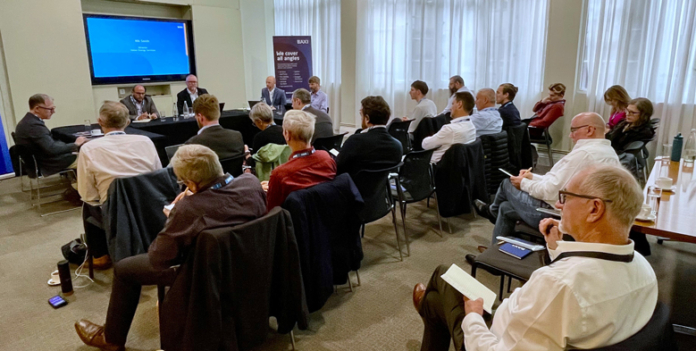
Baxi roundtable explores barriers and enablers to heat decarbonisation in care sector

A roundtable event hosted by heating and hot water solutions provider Baxi welcomed representatives from government and industry to discuss the challenges and opportunities surrounding the decarbonisation of heat in care homes.

The roundtable was used to highlight the results of a recent Baxi research report. This summer, Baxi carried out a survey of over 400 care home managers followed by an industry-led focus group to understand their attitudes towards decarbonising heat in their buildings. The subsequent report analyses the implications of the findings and includes Baxiโ€™s policy recommendations.

94% of the care home managers surveyed expect to have a budget for decarbonisation. However, the research highlighted a number of barriers the sector needs to overcome in order to deliver its decarbonisation ambitions:

  • Access to funding
  • The need for technical advice and guidance on funding
  • Procurement and installation
  • Cost and affordability
  • The spark gap between electricity and gas prices and ongoing running costs

The roundtable event took place in Westminster and was hosted by Jeff House, Baxiโ€™s Director of External Affairs and Policy. It was attended by a panel of industry experts, giving them the opportunity to share their perspectives on the enablers needed to decarbonise heat in the care sector. The UKโ€™s population of over 85s is set to double between now and 2050, leading to increased demand for care services. With typical public and private sector settings requiring around-the-clock heat, the panel was invited to discuss the pressing need for action in the nationโ€™s approximately 17,000 care homes.

Taking part in the discussion were Paul Chambers, Deputy Director of the Public Sector Decarbonisation Scheme at the Governmentโ€™s Department for Energy Security and Net Zero (DESNZ); Nik Smith, Managing Director of specialist renewable energy contractor, Oakes Energy Services; Richard Hilson, Principal Consultant, Health and Sustainability, at technology and data consultancy, Talan; and Andy Green, Head of Technical Solutions at Baxi.

The discussion began with a recap of Baxiโ€™s research report, which revealed the opportunity for retrofit, with the majority of survey respondents operating buildings less than 10 years old. This, coupled with the fact that 42% of care homes rely on fossil-fuel based heating, was said to present an opportunity for the sector to consider heating system upgrades. These upgrades would have a significant impact on reducing a home or estateโ€™s carbon emissions.

The concerns raised by panellists and attendees, which included government representatives, industry stakeholders, customers, and media, echoed the reportโ€™s findings and highlighted a shared commitment to overcoming barriers to decarbonisation. Among the most prominent barriers discussed by the group was the spark gap. The UKโ€™s high electricity costs were said to offer little OPEX incentive for those care home operators interested in upgrading gas boilers to replace with an air source heat pump system.

Legacy challenges from poorly installed and operated heat pumps in commercial buildings, including the care sector, were also highlighted. Common issues, including on-site teams operating heat pumps incorrectly and a failure to commission heat pumps optimally, prompted the proposal of a standard for the commercial sector. The group agreed that such a standard could be akin to MCS in the domestic sector, or PAS in the insulation sector and would be key to improving design and installation practices. It was suggested that this, combined with a focus on quick wins like pipework lagging and switching to a low temperature heating system, could help care operators to achieve optimal gains in energy efficiency and decarbonisation.

The panel also took the opportunity to discuss the heating system upgrade of a hypothetical 60-bed care home. While the upgrade of a boiler to a fully electric heat pump system was identified as a significant carbon saver, in the absence of more attractive electricity tariffs higher operational costs were reported as a major obstacle. A hybrid system with a heat pump delivering 60% of the heating output and a boiler contributing the remaining 40% was acknowledged as a potentially viable option. This system would be capable of providing significant carbon savings while maintaining running cost neutrality.

Despite the success of the Public Sector Decarbonisation Scheme to date, the absence of any further funding is a core challenge that the group identified. Many of the panellists agreed this places extra emphasis on the need for reformed electricity tariffs and partnerships such as Public-Private Partnerships (PPPs) and Power Purchase Agreements (PPAs).

Reflecting on the roundtable, Jeff House said: โ€œThe performance of the care sector is vitally important, not least because it will touch all of us at some point in our lives. Finding ways to help the sector to manage its energy usage, especially when it comes to heat, is therefore in everyoneโ€™s best interests.

โ€œWhile the results of our research report made many of the challenges facing the care operators clear, the roundtable gave us a valuable opportunity to discuss some of the nuances of the sector in detail. Thereโ€™s no question that addressing the spark gap and introducing focused government funding will help significantly, but those on our panel recognised that we can all play our part in driving change too. By keeping this dialogue going and doing everything we can to support the sector in best practice around energy efficient heating, we can put some foundations in place while we wait for enhanced government support.โ€

The full findings of Baxiโ€™s research report can be downloaded here.

For more on Baxiโ€™s commercial heating and hot water solutions visit: Baxi Commercial Heating and Hot Water Solutions.

UK Industry Risks Falling Behind Without Flexible Steam Solutions, New Aggreko Report Warns

A new report from Aggreko has revealed that outdated steam infrastructure and inflexible procurement strategies are placing UK industry at risk of reduced productivity, reduced resilience and higher operating costs.

Titled Under pressure? Alleviating steam system strain in industry, the report examines the critical role of steam in industrial operations and highlights the growing challenges faced by engineering, production, and procurement managers. With 73% of the UKโ€™s industrial energy demand used for heat โ€“ and steam systems accounting for over a third of this โ€“ inefficiencies in steam provision significantly impact operational performance and emissions.

The report identifies key barriers to progress, including reliance on oversized, ageing boilers, lack of resilience, and limited access to modern steam technologies. It also explores why many businesses struggle to navigate commercial pressures amid volatile energy prices and supply chain disruptions.

โ€œIn todayโ€™s industrial landscape, flexibility is becoming increasingly vital to minimise downtime and ensure operational efficiency,โ€ said Richard Smith, Steam Product and Application Specialist at Aggreko Europe.

โ€œAggreko has observed a growing readiness to adopt rapidly deployable, efficient steam solutions on a modular, temporary basis. However, businesses need the right support to implement these systems. As this report explains, third-party expertise plays a crucial role in providing the flexibility and knowledge required to match the right steam solution to each plantโ€™s unique needs.โ€

Aggrekoโ€™s new report suggests that modular, containerised steam systems offer a practical solution to the challenges facing UK industry. These systems can be rapidly deployed and commissioned without complex logistics or installation processes, and their capacity can be easily scaled. They therefore enable businesses to minimise both planned and unplanned downtime, respond swiftly to altered demand, and maintain operational continuity. Additionally, they provide a flexible short- to long-term alternative to costly permanent infrastructure.

โ€œBusinesses across Europe are increasingly looking to replace or improve outdated steam infrastructure,โ€ Richard concludes. โ€œBut theyโ€™re caught in a difficult position, looking to overall improve site efficiency while balancing everyday pressures such as reduced budgets and operational uncertainty,โ€ Smith added.

โ€œThe challenge extends beyond simply upgrading equipment โ€“ it involves navigating a complex landscape of energy volatility, ageing infrastructure and shifting regulations. Thatโ€™s why the focus must shift from technology alone to building resilience and strengthening adaptability โ€“ through informed planning and strong, ongoing strategic partnerships.โ€

The report also introduces Aggrekoโ€™s latest generation of low-emission steam boilers, designed for rapid deployment, high efficiency, and compatibility with greener fuels such as hydrotreated vegetable oil (HVO). These systems are part of Aggrekoโ€™s Greener Upgradesโ„ข portfolio and reflect the companyโ€™s commitment to making efficient, cleaner technologies, and the expertise to implement them, more accessible through its sustainability framework, Energising Changeโ„ข.

Read Under pressure? Alleviating steam system strain in industry here.


This article appeared in the October 2025 issue of Energy Manager magazine. Subscribe here.

Diary of the Great Iberian Blackout

David Innes Edwards in the dark

What happens when 55 million people experiences total grid failure? โ€œI briefly re-entered the pre-internet ageโ€ explains David Innes-Edwards, MD of Frontier Public Relations. This is his 12-hour diary of the Iberian blackout.

I am (just) old enough to remember pre-internet adult life, but it took the great Iberian blackout on 28th April to make me realise how dependent digital services now are on the electrical grid.

Iโ€™m fortunate to occasionally work remotely in Lisbon, Portugalโ€™s beautiful capital city, where my wife is currently living and working.

Monday mornings at Frontier PR tend to be a series of planning meetings with staff and our clients, and I was partway through a Teams call when the power and internet suddenly went down.

Annoying and unusual, yes, but unheard of? No. It was 11.33am.

Within minutes, my wife confirmed, via WhatsApp, the same situation further across the city, moments before the messaging service collapsed – along with any remnants of my phone network connection.

This felt more unusual. It was 11.52am.

I walked up to the seventh-floor roof terrace of my coworking building and looking down I witnessed a well-meaning pedestrian trying valiantly to direct gridlocked traffic.

Fellow coworkers confirmed that this wasnโ€™t just a Lisbon problem, but Portugal wide, and probably beyond.

I had a full charge on my laptop and phone, but there was no way of connecting to the internet, so I couldnโ€™t use either to communicate.

For the first time in my โ€˜internet lifeโ€™, myself, and everyone around me, were totally digitally disconnected.

No email. No way of making a phone call. All smartphone apps were useless.

I couldnโ€™t let my clients, staff or family know what was going on or even contact my wife less than three kilometres away.

Slowly walking back to our apartment, I started to realise the enormity of the situation.

A stranded Lisbon Tram

Metro trains were stuck between underground stations, the airport was closed, and even the famous yellow Lisbon trams stood, stranded at the point where the power failed โ€“ stoically guarded by their very bored-looking drivers.

Calling in a local grocery shop, I also realised we were back in a cash-only economy – but with no access to cash.

Electronic point of sales terminals were now redundant, and ATMs depend on continuous power and network links to banking systems.

I subsequently discovered that without a sizeable UPS (Uninterruptible Power Supply) or backup generators, most ATMs power off within seconds of losing mains electricity.

I decided to keep the โ‚ฌ18 I had in my pocket and just go home.

It was now 1.25pm.

On arrival, my wife and neighbours informed me Spain was also down. What had happened?

As we all consumed media via digital cable TV, streaming services, and apps, we had no access to news or any way of knowing what was going on.

There were false rumours that Italy and France had also gone down. Was it a cyber-attack or even terrorism? One neighbour blamed Putin. All the Portuguese blamed Spain.

I would later learn that the cause was more mundane. Dense clouds over parts of Spain had cut 10GW of solar power in less than 2 minutes, triggering emergency protection systems.

These then automatically tripped several high-voltage transmission lines which isolated entire regions.

A lack of available gas or hydro power meant that dispatchable electricity was unable to ramp up quickly enough to compensate for the sudden drop in renewables.

In short, I couldnโ€™t work, catch an Uber, or even phone my Mum, because it was unexpectedly cloudy in Spain!

By 6pm, power in parts of Spain and Portugal had started to return, but we had no way of knowing that.

Lisbon was still blacked out, and by 7pm, sat by candlelight, we resigned ourselves to our fate and opened a decent bottle of red wine.

11.30pm. Eureka! The power returned, and even though it had only been down for 12 hours, it had felt a lot longer. As the blackout dragged on, I was left wondering: what if? What if this lasted a few days? Or a week? What then?

It brought it home to me that there will be unknown consequences as we transition to renewable sources of electricity, and although Iโ€™m sure big lessons have been learned, this will undoubtedly happen again somewhere, and we should be ready both at home and at work.

My reaction? I have bought an old-fashioned analogue radio and stashed it in a box with ยฃ100 in cash, a rechargeable lamp, powerpacks and candles (plus another good bottle of red – optional).

David Innes-Edwards is the Managing Director of Frontier Public Relations, a business-to-business PR consultancy specialising in the built environment.

Harnessing Renewables for Steam Systems

Photo by Karsten Wรผrth on Unsplash.

An introduction by Spirax Sarco UK & Ireland

As the global energy landscape shifts, industries are under more pressure than ever to decarbonise โ€” but without compromising performance, uptime, or reliability.

For organisations that rely on steam, this presents a specific challenge: how do you reduce carbon emissions from a system that has, for good reason, stood the test of time?

At Spirax Sarco, we believe the answer lies not in discarding steam, but in improving how it’s generated, managed, and integrated with cleaner energy sources. By combining steam with renewable technologies, and embracing hybrid solutions, businesses can unlock meaningful sustainability gains โ€” without starting from scratch.

This article explores how steam systems can work together with renewables to support a net-zero future.


1. Why Steam Still Matters in a Low-Carbon Future

Steam remains one of the most effective ways to deliver heat. It’s consistent, controllable, and able to serve multiple loads across a plant. Itโ€™s also inherently efficient โ€” particularly when it’s well-managed.

The idea that all steam must be phased out to hit carbon targets is not only unrealistic โ€” itโ€™s also unnecessary. Steam systems can be part of the solution, not the problem.

The key lies in how we generate the steam and how that energy fits into a broader, cleaner strategy.


2. The Role of Renewables in Modern Steam Generation

There are several viable routes to integrating renewables into your steam system, and many sites are already further along than they think. Here are the most common:

a) Electrification with Renewable Power

Switching to electrically powered boilers โ€” particularly when paired with on-site or purchased renewable electricity โ€” is a straightforward way to cut Scope 1 emissions dramatically.

Electric steam boilers:

  • Require no combustion
  • Offer fast response times
  • Are ideal for smaller or decentralised loads
  • Have lower maintenance needs compared to traditional gas-fired boilers

When powered by renewables (e.g., solar PV or green grid electricity), they provide a genuinely low-carbon route to steam.

b) Solar Thermal and Biomass Preheating

While full steam generation using solar or biomass is more complex, many sites are using these systems to preheat feedwater or reduce the load on existing boilers.

Solar thermal can provide warm water for condensate return systems or boiler makeup, reducing energy input. Biomass systems can be incorporated for baseload or supplementary heating.


3. Exploring Hybrid Steam Solutions

For many organisations, a fully electric or renewable solution isnโ€™t practical on day one โ€” and thatโ€™s where hybrid systems offer real value.

What is a hybrid steam system?

A hybrid system combines traditional boiler capacity (usually natural gas or LPG) with electric or renewable-powered alternatives. The system can switch between or balance sources based on:

  • Energy costs
  • Site demand
  • Carbon reduction goals
  • Available renewable supply

Benefits include:

  • Flexibility to adapt to changing energy prices or carbon pricing
  • Lower capital costs compared to full system replacement
  • Resilience โ€“ keeping gas-fired capacity as a backup
  • Measurable emissions reductions, especially during low-demand periods

Hybrid systems allow steam users to move forward in stages, rather than waiting for a wholesale infrastructure shift.


4. Overcoming Practical Challenges

Renewable integration is achievable โ€” but not without its hurdles. Common challenges include:

  • Space constraints for new equipment (e.g., electric boilers, solar arrays)
  • Grid capacity limits for all-electric conversions
  • CAPEX pressures during transition planning
  • Lack of clarity on payback periods and funding mechanisms

At Spirax Sarco, we work closely with customers to develop transition plans that suit real-world sites, budgets, and timescales. Whether itโ€™s modular installations, load sharing strategies or grant support, thereโ€™s often more room to manoeuvre than you might think.


5. Real-World Opportunities

Thereโ€™s no one-size-fits-all solution โ€” but plenty of starting points.

Here are a few examples of where renewable or hybrid solutions have worked well:

Healthcare Sector

Switching sterilisation and heating loads to electric boilers during off-peak hours, powered by green grid electricity, while retaining gas-fired units for high-demand periods.

Food & Beverage Plants

Integrating electric steam boilers for CIP (clean-in-place) processes, reducing boiler cycling and energy waste.

Pharmaceutical Manufacturing

Using biomass to preheat water and reduce the primary steam load โ€” a measurable reduction in fuel use with minimal process impact.

Universities and Research Facilities

Implementing small electric boilers alongside legacy systems to reduce emissions from campus heat networks.


6. Where to Start

Every site is different, but the first steps are often the same:

  1. Audit Your Steam System
    Understand your current usage, emissions profile, and system layout.
  2. Explore Load Matching
    Identify smaller loads that could be electrified easily โ€” e.g., washdown stations, autoclaves, lab equipment.
  3. Consider Phased Upgrades
    Begin with pilot areas and build out once performance and savings are proven.
  4. Tap Into Expertise
    Bring in a partner with both steam and sustainability knowledge โ€” like Spirax Sarco.
  5. Look for Funding and Policy Incentives
    Grants and carbon schemes may support the case for hybrid or electric steam.

7. Final Thoughts

Thereโ€™s no need to choose between steam and sustainability.

By integrating renewable technologies and adopting hybrid systems, businesses can reduce emissions, control energy costs and take meaningful steps towards net-zero โ€” all while maintaining the performance and reliability that steam is known for.

At Spirax Sarco, we donโ€™t believe in a one-track solution.
We believe in practical, engineered answers to real operational challenges. And thatโ€™s what renewable steam integration is all about.


Want to know what a hybrid or renewable-ready steam system could look like for your site?
Letโ€™s start the conversation. Our engineers are here to help you take the next step. https://www.spiraxsarco.com/


This article appeared in the October 2025 issue of Energy Manager magazine. Subscribe here.
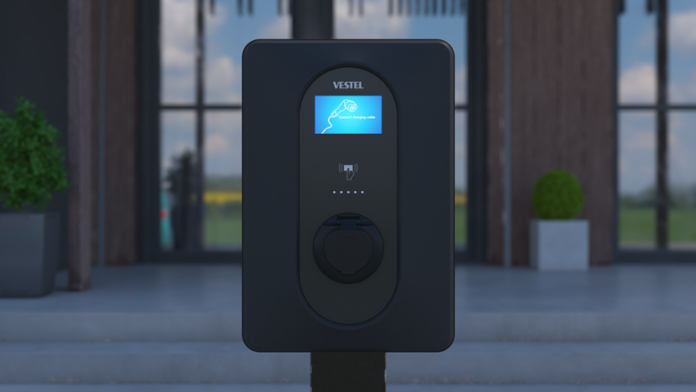
Fast, Efficient, Scalable: The Real Story Behind EV Charging Speeds

Sally Bailey, UK Head of Electric Vehicle Charging, Vestel Mobility

As the UK accelerates its transition to electric vehicles (EVs), charging speed remains a critical factor in determining how seamlessly EVs can integrate into both business operations and broader transport infrastructure.

The challenge is twofold: supporting the infrastructure needed for faster charging while managing the demands placed on local grids. Itโ€™s a technical tightrope of balancing power, performance, and practicality, and it sits at the heart of how the UKโ€™s EV ecosystem will evolve in the years ahead.

Yet delivering on those expectations is not as simple as plugging in and powering up. Unlike internal combustion engine (ICE) vehicles, EV charging speed is influenced by a complex mix of factors across charger type, battery chemistry, vehicle software, ambient temperature, and, crucially, grid capacity. These variables interact in ways that make real-world charging outcomes far more nuanced than EV brochure specs or Charge Point Operators might suggest.

The AC vs DC Divide

At the core of EV charging is the distinction between AC (alternating current) and DC (direct current) charging. The UKโ€™s grid supplies AC power, but EV batteries operate on DC, meaning AC charging requires the vehicleโ€™s onboard charger to convert electricity before it reaches the battery. This process introduces conversion losses, typically in the form of heat, and limits the effective charging speed to 7kW to 22kW. 

DC chargers bypass the vehicleโ€™s onboard system and deliver power directly to the battery at much higher rates. Public DC chargers at motorway services can typically deliver 100kW or more, with ultra-rapid chargers now pushing well beyond 150kW. For many EV cars, this can equate to an 80% charge in under 45 minutes, ideal for long journeys or quick fleet turnarounds.

Yet, even this high-speed solution is not without caveats. Battery temperature is a critical factor in charge speed. Lithium-ion batteries operate optimally within a narrow temperature range. In cold conditions below about 5ยฐC,  chemical reactions slow, reducing the mobility of lithium ions and increasing resistance within the battery. This can lead to longer charge times and higher energy losses. Conversely, in hot conditions, typically above 35ยฐC, batteries face risks of thermal degradation, necessitating controlled (read: slowed) charging to avoid damage.

Modern EVs use battery management systems (BMS) and thermal control technologies to mitigate these effects, from pre-conditioning strategies that warm batteries before charging to active cooling systems that dissipate excess heat. Even with these measures, planning infrastructure or forecasting energy loads throughout the seasons, particularly at sites with high traffic volumes or diverse vehicle usage profiles, remains challenging.

The Grid Challenge 

Perhaps the most pressing concern for the energy management sector is grid capacity. Fast charging, especially in clusters like motorway service stations or fleet terminals, can place enormous strain on local distribution networks. Load balancing technologies are incorporated into all DC charging hardware, dynamically allocating power across chargers based on real-time demand. This can help alleviate the pressure on the grid, but the net result is highly variable, and often much slower EV charge speeds at busy times.

Long-term solutions lie in strategic grid upgrades and, in some cases, the deployment of local battery energy storage systems (BESS). These systems can store energy during off-peak times and release it to support peak charging loads, acting as a buffer between demand and grid supply. For larger charger sites, remote locations or multi-location networks, BESS and integrated renewable local energy generation represent a practical tool for smoothing energy demand and enhancing resilience.

Innovations in battery design, including silicon-based anodes and solid-state cells, promise to reduce EV charging times and extend battery lifespan. Meanwhile, advances in smart grid integration, predictive demand analytics, and renewable energy sourcing will help ensure that the EV charging infrastructure of tomorrow is faster, greener, and more efficient.

Demanding times

That shift is ever more critical as we transition heavy haulage and public service vehicles (PSVs) to electric power. The combination of massive batteries and the need to minimise downtime of the vehicle exacerbates grid pressure. This is not a โ€˜futureโ€™ problem either. Vestel Mobility works closely with innovators in the UK, like Ryze Powerโ€™s PSV conversion team, and we are launching one of Europeโ€™s first 1MW DC chargers for heavy transport later this year.

Energy and grid optimisation for higher EV charge speeds requires a holistic understanding of energy flow, technology, infrastructure limits, and user behaviour. Itโ€™s not just about installing faster chargers; itโ€™s about creating intelligent systems that balance speed with sustainability, cost, and grid stability.

At Vestel Mobility, we see the demand for charge speed as a catalyst for innovation across the energy sector. By embracing the complexity and investing in smart, scalable solutions, energy leaders can help drive the UKโ€™s transition to a cleaner, electrified future, where EVs of all sizes charge faster, fleets move smarter, and the grid works more efficiently for everyone.

www.vestel-mobility.co.uk


This article appeared in the October 2025 issue of Energy Manager magazine. Subscribe here.