


As facilities across the UK face unprecedented energy instability, Chris Rason, Managing Director Energy Services at Aggreko Europe is calling for the diversification of energy models, to deliver a reliable and cost-effective power supply.
Energy intense sites across the UK have wrestled with energy price rises consistently undercutting their bottom lines – creating some of the most difficult trading conditions for decades. However, with the UK government’s Energy Bills Discount Scheme set to end in March 2024 energy challenges, it seems, are here to stay.
Solving these bottom-line issues is only one piece of the puzzle. Beyond cost, there are serious questions surrounding the National Grid’s ability to cope with rising demand, with concerns around grid constraints never too far from the headlines. All this, of course, takes place in the shadow of net zero, an issue that poses its own set of problems for energy-intensive industries.
The current climate, however, should push energy managers to take bold moves to counter energy cost, availability and emissions. New energy models – which work interactively with the grid, rather than dependent on it – are set to provide energy users with the resilience and stability they require.
The UK’s Power Network
Huge demand for grid energy has compounded the pressure on national infrastructures. Factories are already being asked to voluntarily reduce electricity usage this winter to combat grid strain[1] and new sites are being put on hold due to lengthy connection delays[2]. For these issues, short-term solutions are understandably the first port of call.
However, the predictability of power network strains means long-term solutions must now form part of energy strategies. Failing to anticipate these grid-associated struggles mean facilities may sleepwalk into blackouts.
Breaking From the Grid
The answer to these energy challenges seems to lie elsewhere than in the UK’s established power network. Currently, greater uptake of decentralised energy seems the most viable solution. By installing on-site generation, whether it be fully independent from, or run parallel with the grid, high-energy users can upscale during peak periods or when supply is especially unstable. Guaranteeing uptime even under unfavourable external conditions.
Energy autonomy gives sites the ability to improve security of supply, reducing transmission losses and lowering carbon emissions. It also provides an easily scalable solution should demand change in the future – something the grid can far from guarantee.
Decentralisation in Practice
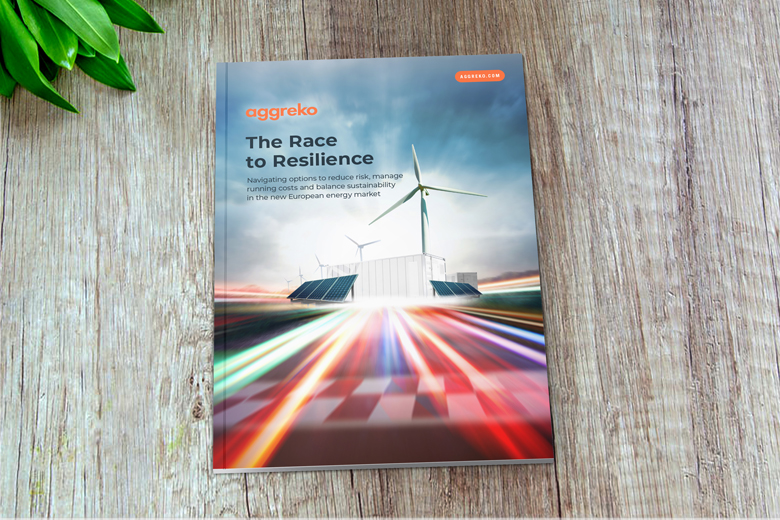
While many energy intense sites will already have some form of on-site generation – largely for contingencies and power cuts – the wider picture makes the case for decentralisation stronger than ever. Aggreko’s latest report, the Race to Resilience therefore highlights the ways in which sites have the best chance of securing enough power both now, and in the future.
The report gives prominence to microgrids, gas-powered generators, combined heat and power, and energy storage as decentralised solutions able to deliver enhanced energy resilience and gives practical examples of these in action.
One example is of a 12MW industrial facility in a remote location which faced energy shortfall due to shutdown of local power infrastructure. Without access to the grid, Aggreko provided a 12MWe rush diesel system to offer immediate support, with gas and battery solutions incorporated at a later date to lower the company’s fuel and emissions. This design was set to run in island mode, giving the manufacturer a complete standalone solution while a new connection was established.
This is one instance of the bridging solutions designed to give a risk-free way of making significant progress, avoiding the complexities of an outright purchase with long payback periods and the threat of obsolescence. To give decision-makers a starting point when identifying such models, the report also highlights a series of calculators developed by Aggreko – these include the Hire Vs Buy, Grid Compare, Data Centre Power Selector and Greener Upgrades calculators. These offer the crucial first step in understanding whether there are viable alternatives for power and temperature control.
The Race to Resilience
Energy managers up and down the UK have shown pragmatism to be a key factor in protecting their sites. And while this has served businesses well, the predictability of new energy struggles means it is now time for a new approach to power procurement. Namely, one that goes beyond the bottom-line and counters for the critical issues in play.
To protect uptime, an adaptable approach to power will be needed. The bridging solutions we are putting forward therefore give businesses the versatility to navigate difficult terrain, alongside the independence to forge a new path towards greener, more secure energy.
While a completely decentralised energy network may still be some way off, if businesses are to become more resilient, bridging solutions will be key to driving progress in a volatile market. These technologies give businesses a credible way to test and integrate a more interactive way of working with the grid without losing sight of the bottom line or other important initiatives, such as net zero. [NH1]
To download the free Race to Resilience report click here.
[1] https://www.telegraph.co.uk/business/2023/06/17/national-grid-blackout-prevention-plan-business-energy-use/
[2] https://www.telegraph.co.uk/business/2023/02/18/electricity-grid-delays-sink-plans-new-fuel-cell-development/
