Water retailer wins £240m public sector contract

Business Stream retains UK’s largest commercial water tender

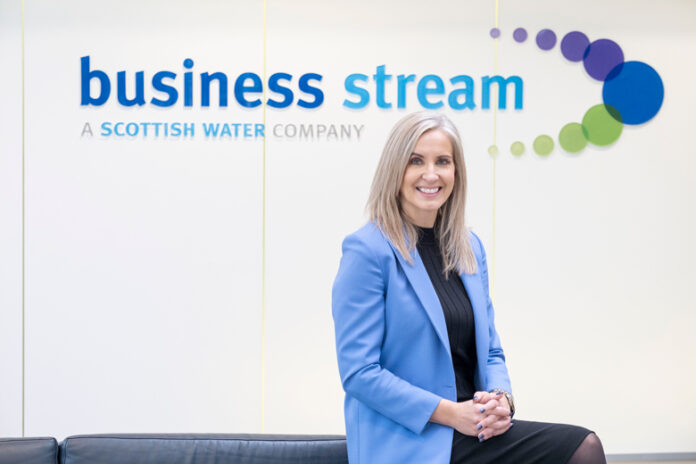
A multi-million pound contract has been secured by the UK’s longest-established water retailer that will see it continue to provide water and waste water billing services for Scotland’s public sector.

Business Stream, headquartered in Edinburgh, has been awarded the Scottish Government’s Water and Waste Water Services Framework contract, which will run for the next three years with a plus one extension option.

The Framework was awarded following a competitive tender process and will see the retailer deliver water and waste water services to public sector organisations across Scotland, including all 32 local authorities, NHS Scotland, Scottish Fire & Rescue, Police Scotland, Scottish Prison Service, universities and colleges and the Scottish Government.

Jo Dow, Chief Executive of Business Stream, said: “We’re absolutely delighted to have secured this Framework. We have a vast amount of experience of working with the public sector to deliver cost savings and environmental efficiencies and we’re looking forward to continuing our partnership.

“Our focus will remain on delivering water efficiencies to help further reduce costs, while building on the community benefits and Fair Work First programme we’ve delivered to date.”

Business Stream delivered more than £2.85million in savings to the public sector in 2022/23, taking the total saved over the first three years of the contract to £6.4million. The water savings in 2022/23 equate to more than 1.365 billion litres of water – the equivalent of 546 Olympic swimming pools.

A Scottish Government spokesperson stated: “Following a competitive tender process with an evaluation based on price and quality, the Scottish Water Business Stream Ltd offering was selected as best value for the Scottish public purse.”

In recognition of its commitment to the sustainability agenda, Business Stream was awarded a gold rating from global sustainability assessors, EcoVadis, in November 2023, placing it within the 97th percentile of companies assessed worldwide.

The company also recently announced it had become carbon neutral certified following its partnership with climate action specialists, Ecologi, and cut its emissions by 50% last year. The result, measured from April 2022 to April 2023, and externally verified, exceeded the retailer’s promise to cut emissions by 20% during the 12-month period.

Business Stream’s latest environmental successes mark a key component of its vision to make a positive difference (MAPD) to its customers, its people, the environment and its local communities.

EIT InnoEnergy launches Repono to deploy and operate 100 gigawatt hours of energy storage in Europe by 2030

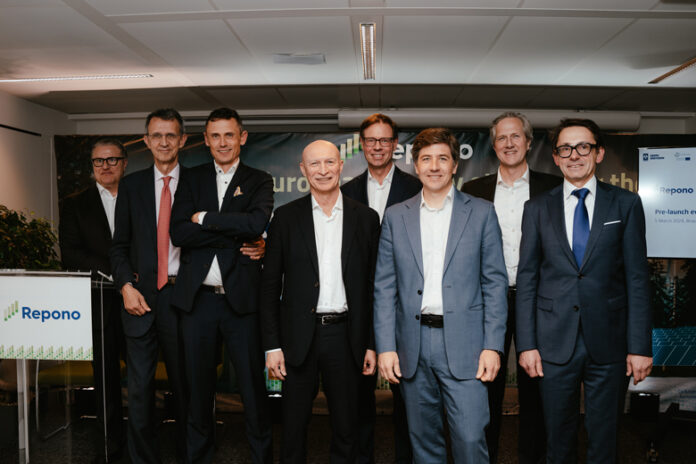
EIT InnoEnergy, the leading innovation engine in sustainable energy, has launched Repono, a pan-European company focused on owning and operating large energy storage systems (ESS). By applying a holistic, portfolio-based approach that can be replicated across regions, Repono will be able to standardise and accelerate the way these systems are deployed all over Europe to store gigawatt hours of excess renewable electricity, curb the risk of power outages, level-out energy prices and enable a 24/7 balanced clean energy supply. In addition to EIT InnoEnergy, Repono’s early backers include Schneider Electric, SIPLEC E.Leclerc, Stena Metall, Boryszew Group and NTM GmbH. With enough capitalisation for the first years of operation, Repono aims to capture a 10% share of an anticipated 1-terawatt hour (TWh) European market in 2030[1].

To achieve its ambitions of cutting greenhouse gas emissions by 55% by 2030, the European Commission has set minimum national targets of 42.5% for renewable electricity share by 2030. The increased electrification of the economy as the best way to decarbonise, combined with a growing share of renewables will require the rapid rollout of large-scale electricity storage solutions.

Rasmus Bergstrom, CEO of Repono, said: “Europe’s electricity system and grid were built for a steady feed-in of dispatchable energy sources, not to handle the massive influx of decentralized and intermittent renewables. Hence, Europe’s forceful shift away from coal, oil and gas puts our longstanding energy infrastructure under immense stress, leading to frequent curtailments of cheap, clean energy, to volatile and unnecessarily high prices, and power outages. This puts a brake on the energy transition at large when we, as a society, have everything but the luxury of time. This is exactly where Repono steps in.”

Repono directly addresses these challenges by operating in three key areas. Firstly, it will strategically manage its storage capacities via short-term spot markets. Repono will monitor market fluctuations allowing it to buy, charge, sell and discharge at the right time with the aim to shift excess production to periods of excess demand. Secondly, Repono’s balancing services will be crucial to maintaining grid stability and preventing large-scale blackouts. Lastly, by integrating energy storage into power purchase agreements (PPAs) between large independent power producers and industrial companies, Repono will help to ensure a reliable, 24/7 decarbonised electricity supply.

Diego Pavia, CEO of EIT InnoEnergy, added: “The debut of Repono is another proof of EIT InnoEnergy’s strong commitment to trailblaze the energy transition. From day one, Repono will be embedded in the world’s largest sustainable energy ecosystem of 1200+ partners from industry, finance, research, and academia, have access to our 46+ investments in the energy storage sector as well as to the 800+ members of the European Battery Alliance. These unique starting conditions will greatly de-risk Repono’s business and enable the company to quickly replicate projects across Europe, doing its bit to accelerate the energy and industrial transition.”

Following its acquisition of BatteryLoop, Repono already has energy storage systems in operation in the Nordics and employs a team of 25 highly skilled employees.

[1] EIT InnoEnergy estimates that 1TWh of Energy storage needs to be added to the electricity market by 2030. This is based on the RePower EU targets for the deployment of renewable energy sources.

SMS and Oxfordshire County Council to deliver Government-funded smart homes trial

Up to 50,000 homes and small businesses in Oxfordshire will be engaged on their energy consumption via an app and given the opportunity to upgrade their property with smart technology through an affordable monthly subscription.

The project is part of the UK Government’s Alternative Energy Markets Innovation Programme, which aims to support the development of innovative domestic demand-side flexibility propositions.

SMS and Oxfordshire County Council have received £5.3 million in funding from the UK Government’s Alternative Energy Markets Innovation Programme to find new ways for households to use energy more smartly and flexibly.

Together, the smart energy solutions specialist and the council will work closely to deliver a smart homes trial that will involve up to 50,000 homes and small businesses in Oxfordshire.

The project – which is independent of UK energy suppliers – aims to show how giving people more information about their energy use and offering time-of-use tariffs that encourage using electricity when it’s cheaper (and greener) can help more people to start using Energy Smart Appliances (ESAs). ESAs are devices like batteries, heat pumps or intelligent whitegoods that can automatically adjust when they use electricity based on when it’s cheaper or more environmentally friendly. This means they can use less power during busy, expensive times and more when it’s cheaper and greener.

At the start of the trial, people will get to see detailed information via an app, and then get personalised advice on how to make their homes more energy efficient, including the option to install smart technology such as ESAs. These devices will be offered to consumers through an affordable monthly subscription that makes it easier and cheaper to get started, avoiding the big upfront costs usually needed.

Participants will also have the option to switch to a special time-of-use tariff that charges less during off-peak hours. This can save money and reduce stress on the electricity grid, especially if they have smart devices that automatically adjust their energy use.

For those who choose to install a smart device – such as a battery or heat pump – the project will also explore how these homes and businesses can benefit more from participating in the UK’s Demand Flexibility Service (DFS). This scheme, started by the National Grid ESO last winter, pays people to use less electricity during peak times. Smart devices can do this automatically, potentially saving a lot more energy and money.

Tom Woolley, Smart Product & Strategy Director at SMS, explained: “This innovative project represents a landmark for our industry, as it will be the first-ever example of an energy supplier-agnostic approach towards engaging UK consumers with energy usage on a significant scale. By being completely independent of energy supplier influence, we will be able to approach the project and the delivery of solutions to consumers from an impartial position with a clear objective in mind: to help them save money and optimise the demand flexibility of their homes. 

“By using energy data to understand consumer behaviour and the effectiveness of different propositions across alternative energy market scenarios, the project will also contribute valuable insights towards achieving the UK’s decarbonisation targets and for accelerating the mass adoption of smart energy technologies.”

Dale Hoyland, Retrofit Team Leader within the Climate Action Service at Oxfordshire County Council, adds: “This project delivers multiple benefits; helping to tackle the climate emergency by minimising energy use when carbon loading on the electrical grid is highest; helping the cost of living crisis by testing innovative tariffs in an energy-supplier agnostic way, and providing a green financing mechanism for retrofit measures. It’s a win-win scenario and we’re delighted to support the roll-out across the county.”

Alongside SMS and Oxfordshire Country Council, the trial – which aims to retrofit 1,000 Oxfordshire properties – will be delivered by a consortium of partners including Samsung, My Utility Genius, Engage Consulting, Eliq, and Rebel Energy.

Powering progress: The need for EV infrastructure in driving an electric future

Heidi Thompson, Group Fleet Manager, Mitie

With transport accounting for almost a quarter of the UK’s greenhouse gas emissions, the switch to electric vehicles (EVs) has been a priority for almost every business in recent years. In September 2023, the Society of Motor Manufacturers and Traders (SMMT) reported that 800,000 EVs had been registered in the UK since 2018, with three quarters of these new registrations coming from fleets. At Mitie, we’ve just welcomes our 4,000th EV – a big milestone for one of the UK’s largest zero emissions fleet.

However, like trying to accelerate with the handbrake on, it’s essential that the infrastructure is there to keep up with the demands of growing electric fleets. Whilst organisations do have more breathing room with the UK’s deadline for a complete EV transition pushed back from 2030 to 2035, they need to remain focused on developing an EV strategy that equips them for the future and makes sure that the shift to more sustainable transport isn’t stalled by a lack of vital infrastructure.

Putting on-site infrastructure in the fast lane

Range anxiety is a major issue when it comes to getting, and keeping, more EVs on the road. Whilst most plug-in cars are able to cover the average commute (28 minutes according to the Department for Transport) without needing to be charged, the cost of public charging and difficulty finding available chargers remain a significant concern for drivers, particularly those driving longer distances. In fact, the SMMT’s research in 2023 found that two thirds of drivers see a lack of infrastructure as a barrier to going electric.

This means organisations have an important role to play in providing sufficient on-site charging points, not only to encourage more colleagues to make the switch to an EV, but also to keep their own fleet in motion. The latest high-voltage chargers are able to charge up a vehicle in less than an hour, so EVs can remain always ready to drive, crucially reducing the need to rely on any petrol or diesel vehicles. Investing in charging infrastructure will future-proof organisations’ estates as the ban on new petrol and diesel vehicle sales, and net zero targets, approach.

Gearing up for maintenance requirements

Like any other piece of equipment, charging infrastructure requires regular and proactive maintenance to make sure that its always working reliably and efficiently and to keep it running for as many years as possible.

We’re using intelligent software to monitor how charge points are performing in near-real time. The system also alerts Mitie engineers to faults or issues that need repairing so that they can carry out fixes and restarts remotely wherever possible or send out an engineer to the site when necessary. This drives quicker fix times, keeping charge points in service.

Preventing gridlock

In 2022, research by the Competition and Markets Authority found that 60,000 more EV chargers will need to be installed by 2035 if the UK is to achieve a full EV transition. All these charge points depend on reliable grid connections.

With unprecedented demand for approvals for new connections to the grid, microgrids could offer an innovative way for organisations to realise their green transport ambitions, using clean power produced on-site. Microgrids also give the option to deliver power back to the grid when there is surplus and receive power from a central source when it’s needed, relying on AI to assess data on energy generation and balance supply and demand. Whilst the technology is still developing for microgrids to be rolled out at significant scale, by getting ahead, we can encourage organisations to generate clean power on-site whilst also giving them confidence that they can always access power from the grid when they need it.

Whilst it’s positive that number of zero emission vehicles on the roads is rising, there is still work to do in delivering the infrastructure that will accommodate a complete transition to EVs. Investing in this infrastructure, as well as their maintenance, will be pivotal to organisations reaching their decarbonisation goals. The best time to start implementing these measures is now, as preparing for the future today will only make the transition easier.

Flex Your Energy Strategy: A Guide to Flexible Procurement 

The energy market is notorious for its constant fluctuations.

To remain ahead of energy bill uncertainties, businesses need to ensure that their energy strategy remains cost-effective and sustainable.

Northern Gas and Power, Europe’s largest energy consultancy, has taken on this challenge by developing a flexible energy procurement model that helps businesses navigate the ever-changing market conditions. Flexible energy procurement, a dynamic approach to managing energy costs, is a powerful tool that allows businesses to take control of their energy bills, instead of being overwhelmed by them.

Discover how this strategy can be used to help you avoid surprising energy costs by reading our guide to flexible procurement.

Understanding Flexible Energy Procurement

Flexible energy procurement is a tailored approach to purchasing energy that allows businesses to strategically manage their energy costs by capitalising on market opportunities and mitigating risks associated with market volatility.

Flexible Energy Procurement is an energy purchasing strategy that enables businesses to make purchasing decisions based on real-time market data and trends, allowing them to buy energy in tranches or blocks throughout the contract term. On the other hand, fixed energy procurement involved businesses being lock in a fixed price for their energy supply for the entire contract duration.

The Benefits of Flexible Energy Procurement

Flexible energy procurement empowers businesses to optimise their energy purchasing strategy, allowing them to capitalise on favourable market conditions and minimize overall costs. It enables companies to purchase energy in tranches, adjusting their strategy throughout the contract term to leverage market fluctuations effectively.

Another benefit is that, with access to market intelligence and real-time data, businesses can make informed purchasing decisions, reducing the impact of market volatility and mitigating risk. This proactive approach to energy procurement not only ensures cost savings but also enhances budget control and financial predictability.

Moreover, by monitoring usage data and market trends, companies can identify inefficiencies and implement targeted improvements, leading to more sustainable energy practices. This holistic approach to energy management aligns financial goals with environmental objectives, fostering long-term sustainability and resilience.

Flexible energy procurement also inherently involves risk management, as businesses navigate the uncertainties of the energy market. With a strategic approach, companies can implement measures to manage potential risks, such as diversifying their energy sources, setting purchasing limits, and monitoring regulatory changes, ensuring they are better prepared for any unexpected market shifts.

How Businesses Can Implement Flexible Energy Procurement

Implementing flexible energy procurement is a strategic process that requires careful planning and ongoing management. Here are some key steps businesses can take to adopt a flexible procurement approach effectively:

Before embarking on a flexible energy procurement journey, businesses must evaluate their energy requirements and determine their risk tolerance. This includes understanding their consumption patterns, industry-specific factors, and financial objectives. A thorough assessment provides a solid foundation for developing a tailored procurement strategy that aligns with the company’s goals and risk profile.

Collaborating with experienced energy consultants, such as our team at NGP, can provide valuable insights and support in developing and executing a customised flexible energy procurement strategy. We help businesses understand market dynamics, identify opportunities, and manage risks effectively. By staying up-to-date and adapting their strategy as needed, companies can maximise the benefits of flexible energy procurement and ensure they remain resilient in the face of market volatility.

Since the start of the energy crisis, we’ve successfully helped almost 13,000 customers from all sectors navigate the challenges posed by market volatility. These businesses have been able to minimise the impact of fluctuating energy prices and secure their energy future through flexible procurement strategies. This is a testament to our expertise and commitment to delivering tailored solutions that meet the unique needs of each client, while also safeguarding their businesses against market uncertainties.

Embrace Confidence and Flexibility

In an ever-evolving energy market, it is vital for businesses to adopt innovative and adaptable strategies to manage their energy costs, consumption, and risk effectively.

Flexible energy procurement offers a tailored and dynamic approach to help organisations confidently navigate market fluctuations, optimise energy consumption, and achieve long-term stability.

By partnering with experienced energy consultants like NGP, businesses can develop customised procurement strategies, leverage market intelligence, and implement effective risk management measures to secure their energy future.

www.clearvue.business

The Delta Difference

Ryan Kirkwood

When designing hybrid heat pump systems, optimising the operational design conditions of both technologies and the hydronic design is essential to maximise heat pump contribution and system efficiency, says Ryan Kirkwood, Engineering Solutions Manager at Baxi.

As energy managers increasingly focus on reducing the carbon-intensity of the heat source in their buildings, low carbon heat pumps are one of the favoured solutions.

A fully served air source heat pump (ASHP) building will deliver one of the lowest carbon footprints in new build properties. Where an all-electric approach is not feasible, integrating ASHPs and high efficiency condensing boilers in a hybrid system can provide a more practicable solution to overcoming project restrictions while meeting heat demand more sustainability. When using mid-temperature heat pumps, our focus here, the challenge is to design both technologies into a harmonious design that successfully optimises individual and overall system efficiency.

Overcoming challenges

The first design consideration must be to maximise heat pump contribution within the project parameters.

Ensuring hydronic integration with peak or back up heat generation that does not penalise system performance or efficiency is also critical. However, this can present challenges due to the temperature differential of the two technologies. Temperature differential, also known as Delta T or ∆T, is the difference between the flow and return temperatures, or the temperature the heat pump or boiler puts out and the temperature which returns to it from the heating system.

Mid-temperature heat pumps typically work best at low flow temperatures and at a temperature differential of 5-10°C. Condensing boilers also operate more efficiently at lower temperatures but at a typical ∆T range of 10-40°C.

So what options are available to balance efficiency and technologies for optimal system performance?

Option 1: Load assist

Traditionally, a low carbon heat source runs lead in a baseload configuration with gas boiler(s) to assist as heat demand increases. While ASHP hybrid systems can also be configured this way, the primary flow temperature and subsequent temperature differentials must be suitable for both the ASHP and boiler technology.

Running a full system on a 10°C ∆T (leaving aside pipe and pump sizes) would not be problematic for most condensing boilers, but it can reduce the performance of some ASHPs which optimise at 5-7°C ∆T. To maximise boiler efficiency and promote condensing, the return temperature must be kept under 54°C.

One example of how this can be achieved is shown in Figure 1.

Figure 1

Two major advantages of this method are flexibility and scalability as both generators can run together or independently as demands fluctuate.

The ASHP charges the thermal store which then discharges, acting as lead boiler. The thermal store discharge pump can ramp up and down to match building load, avoiding full depletion as this would break the stratification layer and potentially give a lower flow temperature than set point.

Installing heat meters will provide valuable performance metrics to optimise the system and deliver live feedback to the BMS to help control the demand response.

The condensing boilers are cascaded on to duty assist with the demand.

Option 2: High Delta T load assist

In this next approach, the ASHP and boiler operate together in a system where the temperature differential or set point is above that which the ASHP can provide alone. A number of different methods can achieve this.

Thermal Store – As shown in Figure 2, the boiler and ASHP feed into the same thermal store with the energy required to satisfy system loads spilt. The ASHP maintains a stratified warm layer at the bottom of the tank to heat the cold return with the boiler’s hot layer providing the final lift to reach target flow temperature.

Figure 2

The controls should ensure that the boiler contribution is held back until absolutely required to avoid a temperature overshoot in the tank. Close monitoring of the tank temperatures at multiple points and of boiler and ASHP temperatures will help resolve this.

Injection method – Similar to the thermal store approach, this method uses the gas boiler to boost the flow temperature to set point at times when the ASHP is unable to satisfy the demand differential.

There are many variations on this method. Figure 3 illustrates an example of the injection method working on the return header prior to a low loss header.

Figure 3

The thermal store discharge pump controls the charge and discharge cycle of the thermal store. Under low load conditions, the store may be charged to system temperatures to give usable heat for a finite period without requiring the boilers to cascade on.

During periods of high demand, the thermal store injection will pre-heat the return for top up by the boilers. Ensuring proper discharge/charge cycling of the store is critical to the performance of this method.

Pre-heat efficiency loss, nett efficiency gain

We lose approximately 1-2.5% overall efficiency in a gas boiler when preheating a 30°C return by 5-10% due to slightly reduced condensing efficiency. This modest loss is massively countered by the renewable element of the ASHP efficiency. Provided the ASHP is not pre-heating the boiler return above condensing temperatures, the slight loss is acceptable to achieve a nett gain.

Avoiding conflict

In summary, along with standalone, purposed designed ASHP systems, hybrid solutions offer energy managers an opportunity for important efficiency gains and emission reduction. But to ensure optimal system efficiency and outcomes, careful consideration from the outset of flow and return temperatures, Delta Ts, controls and the detailed hydronic design will be crucial when blending the two technologies.

Innovative electricity system balancing tool helps keep Britain’s lights on

Dr Waqquas Bukhsh from the University of Strathclyde

A new cutting-edge tool developed in collaboration with Scottish university researchers is helping revolutionise the real time balancing of Britain’s electricity network.

Energy experts at the University teamed up with the Electricity System Operator (ESO) to design an optimisation tool which paves the way for net-zero electricity system operation in Great Britain. It enables the control room to make better use of the most economic service providers, including fast-response batteries.

To maintain a balance between electricity generation and demand, the ESO operates an hour-ahead market known as the Balancing Mechanism (BM). The first phase of the Open Balancing Platform (OBP), developed as part of the ESO’s existing programme of operational improvement, is supporting transformation of system balancing by allowing control room engineers to send instructions to hundreds of balancing units in each battery and small BM unit (BMU) zone across Britain at the touch of a single button.

In the past, balancing electricity generation and demand involved sending dispatch instructions to several large generators. Greater numbers of smaller generators including fast-response batteries are participating increasingly in the BM market. The addition of these assets brings about potential cost savings, but also an increased number of dispatch instructions and greater system operation complexity.

Strathclyde developed an early-stage proof of concept within the MDI (Modernised Dispatch Instructor) project, a collaboration between the University and the ESO. This work helped identify the system requirements and form a view on the approach to bulk dispatch optimisation. Building on Strathclyde research, a mathematical optimisation tool, referred to as the Bulk Dispatch Optimiser (BDO) has been created for control room engineers. It became operational in the Electricity National Control Centre (ENCC) in December 2023.

The ENCC is Great Britain’s central hub for operation of the national electricity system, moving electricity around the country from where it’s generated to where it’s used and ensuring that supply and demand are balanced minute-by-minute.

Bulk dispatch gives control room users a proposed set of optimised instructions based on the lowest cost solution, subject to BMU constraints.  Previously, engineers had to manually instruct each action on each unit and check BM rule compliance. With bulk dispatch, instructions can be sent at the press of a single button, significantly reducing the number of manual instructions and time taken to instruct small BMUs and batteries, ultimately optimising network balancing and delivering value for consumers.

Dr Waqquas Bukhsh, a specialist in Power Systems Optimisation, led Strathclyde’s input to the project. He said: “The variability of wind and solar power mean that the system operator needs to be much more agile than in the past. However, they also now have many more options for how to balance the system, including using batteries that have come down massively in cost in the last few years. The trick is knowing how to make best use of all the different options. That’s what our mathematical expertise has been able to do.

“This tool will benefit every electricity user in the country, aiming to drive value for consumers by reducing costs and enabling net-zero carbon operability.”

Professor Keith Bell, Scottish Power Professor Future Systems at Strathclyde, a long-standing collaborator with the ESO, said: “The go-live of this tool at the national electricity system control centre is a major milestone. It’s fantastic to witness our academic research making a real impact, building on many years of close engagement with the electricity industry on the challenges in migrating to a zero-carbon energy system.”

Craig Dyke, Director of System Operations, ESO, said: “Release 1 of the Open Balancing Platform is a huge step forward for the sector and provides an essential foundation to making improved use of available low carbon energy. The University of Strathclyde was a key contributor, having developed a prototype for BDO as part of an innovation project, and providing guidance on further development towards production.

“The University brought a unique ability to translate mathematical concepts to the practical challenges of power system operation.”

The University’s contribution to the OBP work was initially supported by Impact Acceleration Account funding from the Engineering and Physical Sciences Research Council, part of UK Research and Innovation, and later supported by the ESO’s sponsorship of Dr Bukhsh’s Lectureship for an additional two-year period.

Heat network regulation changes – what you need to know

With only a year until Ofgem officially steps into the role of regulator for Britain’s heat network sector, it’s no exaggeration to say the industry is entering a new era. The days when heat network operators were less strictly regulated than gas and electricity suppliers are numbered. In future, we can expect to see a lot more attention paid to customer protection, and this inevitably means more scrutiny for energy providers.

Legislation defining the new market framework is expected to be fully phased in by 2026. The precise details aren’t yet known as Ofgem is still consulting with stakeholders across the industry to ensure the new rules are relevant, effective, and appropriately implemented.

Enhanced consumer protection

What we do know is that the first phase of the roll-out in Spring 2025 will include measures covering information transparency, metering, and safeguards for vulnerable customers. Citizens Advice will be appointed to provide consumer advocacy and the Energy Ombudsman will offer dispute resolution services.

Ofgem will also start collecting operational and financial data from registered heat suppliers next year, before implementing pricing rules and Guaranteed Standards of Performance (GSOPs) in 2026. Heat suppliers that fail to comply with these may have to pay compensation to affected consumers.

Back to normal energy procurement processes

Another important change will be the closing of the Energy Bills Discount Scheme (EBDS) on 31st March 2024, which is not expected to be replaced. So, it’s back to business as usual for incoming fuel tariffs. However, factors such as current conflicts in the Middle East and Ukraine mean ongoing market stability is far from guaranteed, and that should be borne in mind when entering into new contracts with energy suppliers.

So, what does all this mean in practice, and what steps should energy managers take now to prepare for the road ahead?

  1. Check your meters – Effective metering will play a crucial role in ensuring your organisation can meet its new regulatory obligations. Meters should be replaced by smart meters where possible. They should also be included in regular maintenance regimes and replaced when they near the end of their expected life. If they fail, bills will be inaccurate, leading to residents being over- or undercharged, and making it difficult to manage heat network financials.
    Meters can also help to identify any abnormal consumption levels so you can keep your heat network functioning optimally to keep costs down for residents. And they can provide households with real-time energy usage data in line with transparency requirements.
  2. Keep on top of tariffs – Incoming tariffs may well continue to change relatively frequently, so you should conduct regular reviews to ensure residents are charged correctly. Under the new regulations, they are expected to require 31 days’ notice of any price changes, plus any back-billing will be limited to 12 months in most circumstances.
    Tariff changes often coincide with supplier changes, so setting a diary notification eight weeks before contract transitions will allow for proactive adjustments to be made. Involve your metering and billing provider as early as possible to ensure correct billing coordination. This is also a good time to confirm with residents any access agreements needed for meter-fault repairs, especially where they are vulnerable.
  3. Keep communicating – Cooperation and communication will be vital to help ensure your residents understand how the new regulations will affect them and what their responsibilities are. This is also a ‘good-news’ opportunity that could help to strengthen relationships – the legislative changes are designed to benefit them, after all.
    Keep talking to your suppliers, too. Notify them of any contract changes and lean on the ones with heat network expertise to help you prepare for the new regulations, reduce costs, and get the most out of your equipment. Don’t wait until you’re hit with a big bill or a fine to find out there’s a problem.

With tariff change notice periods for residents needing to be factored into timescales and potentially new processes needing to be set-up to allow for data transparency, energy managers should act now to check they’re following best-practice guidelines. Help is available, however. Your metering & billing and/or maintenance suppliers should be aware of what’s coming and willing to help you prepare.

www.insite-energy.co.uk

Recommendations announced that will improve UK’s water future

Over the last few years, more and more people have become aware there is a global water crisis, and the UK needs to do more to protect its water health for future generations.

According to the World Wildlife Fund, 1.1 billion people around the world do not have access to water. Even more frighteningly, 2.7 billion struggle to find water for at least one month a year.

It is not just a problem for developing countries though, and an increasing number of Brits are worried about the quality of water in the UK, as a result of pollutants and water waste due to poor water leak repairs.

Brits worried about water quality

A recent poll from the Chartered Institution of Water and Environmental Management (CIWEM) revealed 81 per cent of people are worried about the UK’s nature.

It also found that 65 per cent believe the next government should investigate and possibly reform water regulations in the UK. An additional 11 per cent think this should be a priority for the new government after the next general election.

These concerns are justified given that a House of Commons Committee report revealed that all rivers in England had chemical contamination. It also stated that only 14 per cent met ‘good’ ecological status.

This is despite the Water Framework Directive legal requirement for all rivers to reach ‘good’ status by 2027. Currently, it is not on track to meet this, and the water quality of English rivers remains the worst in Europe.

As CIWEM director of policy Alastair Chisholm and project lead for A Fresh Water Future said: “The public get it. They understand how important water is. In their homes, in their local environments. But they see pollution all around them and big corporates and government saying one thing and then acting like water is an afterthought.”

What are the sources of pollution?

The main reason for the low quality of river water is agricultural pollution. This impacts 40 per cent of waterways, as chemicals used in agriculture in rural areas run off into the rivers.

This is followed by sewage and wastewater, which affects more than a third (36 per cent) of rivers, including both public pollution and commercial rubbish.

Urban diffuse pollution, which is the run-off from towns, cities and transport, impacts 18 per cent of English rivers.

Water experts dissatisfied over regulations

At the same time as the public having grievances about how poorly pollution is monitored and managed in the UK, water experts are also dissatisfied over water companies’ operations and actions.

According to CIWEM’s report, only six per cent wanted the current ownership, corporate governance and regulation systems to continue.

While they want great changes when it comes to agricultural and urban pollution issues, as well as drought problems, and water company management, there is no obvious alternative solution.

They simply argue that these challenges, which will result in a further decline in water health, will continue to worsen over the years.

A Fresh Water Future’s Recommendations

To resolve the grievances of both the public and water experts, A Fresh Water Future has made ten recommendations based on the thousands of views they have garnered.

Before these can be implemented, however, it states an independent review of water policy and regulation needs to be conducted as soon as the next government is in power.

This report needs to be published within its first year of term, so the recommendations can be carried out before the following election.

These suggestions include:

  1. Water assurance taskforce – A Fresh Water Project believes a ‘water assurance task force’ needs to be established.
    This ensures there will be more transparency when it comes to reporting, legal compliance from water companies, and governance.
    Regulators will be given more power to do more monitoring and subsequent enforcement, putting an end to self-monitoring of wastewater and sewerage operations.
  2. Environmentally-friendly support for farming – As agricultural waste causes so much pollution in waterways across the UK, it is important that something is done to encourage more environmentally-friendly farming.
    The report found that many people would pay more for produce if this meant an improvement of farm regulations, and a subsequent reduction of pollution.
    These would include better soil management and more strategic planning, both of which will help rural Britain cope with floods and droughts, which cause debris to run into rivers.
    As the National Geographic explains, floodwater easily becomes contaminated with pollutants, washing pesticides, chemicals and sewage into waterways. This can affect their water quality.
  3. National nutrient management programme – The group wants to establish a national programme that monitors and manages nutrients, as this would enable a targeted approach on certain areas that are prone to pollution and help to tackle those activities that are causing the most damage to the water quality.
    There will also be an improvement of planning policies and environmental permitting for livestock production. This will help to prevent more ecological disasters, particularly as these policies will be enforceable.
    It also wants to create a circular economy when it comes to managing manures from intensive units.

Although these suggestions will make a difference, they have all been made before, with Mr Chisholm stating: “The sad irony in this work is, there’s nothing fresh here.”
He added: “All of it has been said many times before by water managers and campaigners. But most of it has been paid lip service, ignored or delayed, perceived and presented as a cost-burden to growth not a fundamental underpinning of it.”

Over this time, there have been growing pressures on water as the population has increased, while climate change has meant droughts and floods are more likely. Therefore, the need for change is greater than it has ever been.

Despite this, Mr Chisholm is positive for the future, stating: “What’s changed is how clear the consensus is, from a big and diverse sample, that this neglect can’t go on.”

These changes could be transformational to the UK, improving the quality and availability of freshwater all over the country, as opposed to continuing to watch them decline.


Rinnai adds R290 heat pump range to decarbonising product list 

R290 High Temperature Air Source Heat Pumps added to Rinnai’s product options.  

The start of 2024 will see Rinnai introduce further decarbonising options across all appliances and energy formats. 

Rinnai has added an additional line of commercial heat pump technology to an already extensive list of decarbonising appliances. The innovative new range of air source heat pumps utilizes R290, a LOW scoring GWP (Global Warming Potential) refrigerant. 

R290 allows for several operational benefits: energy efficiency is improved by 10%, the enabling of water temperature up to 75 degrees Celsius and R290 usage provides compliance alongside the European F-Gas Regulation which focuses on phasing down refrigerant environmental impact.  

Rinnai is continuing to add further low carbon options for UK customers that require low cost, efficient and durable products. Throughout the beginning of 2024 Rinnai will introduce a comprehensive range of systems and appliances that utilize separate energies for domestic, commercial and off-grid properties.  

Rinnai’s R290 air source heat pump range is available in 11 different sizes, from 6 kW up to 50 kW. All units arrive with control systems that allows time sensitive programming and customization enabling specific customer requirements to be met. 

To preview this exciting new range visit  www.rinnai-co.uk/contact-us/request-brouchure 

Rinnai’s air source heat pump range is ratified with an ERP rating of A +++ and A ++ depending on size and can also fulfil UK customer decarbonising ambitions. As well as providing an extensive list of low carbon technologies Rinnai also offer a range of online customer services that assist in customer choice and information. 

Rinnai’s carbon calculation service considers design from a holistic perspective of capital expenditure, operational expenditure, and carbon savings. Rinnai’s carbon calculation service will compare a customer’s current heating system to Rinnai’s product list of low carbon, high performance, heating systems that are all proven to reduce cost. This feature will enable customers to view proven benefits when investing in a Rinnai system. 

Rinnai low-GWP range of heat pumps demonstrate Rinnai’s continuous dedication to producing low cost, highly efficient and thoroughly robust appliances that reduces operational expenditure and carbon emissions.