
Accelerating Decarbonisation in 2024: The Critical Role of DERMS

Sally Jacquemin

Sally Jacquemin, Vice President & General Manager – Power & Utilities, AspenTech

In recent years, Europe has faced a series of challenging climate-related events, ranging from severe droughts to widespread forest fires and from significant floods to intense heatwaves. Taken together, these episodes highlight the ongoing impact of climate change and underline the importance of government – and the world of business – taking substantial measures to mitigate future risks.

Today, we are seeing a clarion call for global commitments to pivot towards net negative emissions, underscoring an urgent need for revision of our climate ambitions. There is much work to do.

To keep global warming within the 1.5°C threshold, Accenture reports that worldwide greenhouse gas (GHG) emissions need to peak by 2025, decrease by 43% by 2030, and achieve net zero by 2050. It’s crucial for organisations to rapidly advance their efforts, moving beyond establishing goals to achieving tangible results.

Amid this backdrop of escalating climate urgency, the spotlight turns to technologists, policy makers and energy sector leaders. These stakeholders will be pivotal in propelling the energy transition beyond mere net zero aspirations, thanks to their ability to harness processes, systems and solutions to drive enhanced sustainability.

They will be key in driving through the technological innovation needed to deliver decarbonisation in the face of changing consumer expectations for products and services produced and delivered in a sustainable way; the accelerated shift towards clean energy; and evolving regulatory landscapes.

One technological beacon in this journey is the Distributed Energy Resource Management System (DERMS), a sophisticated operational technology solution tailor-made for electric utilities, power producers, and aggregators. This system stands out as a critical enabler for advancing the energy transition. Below are four pivotal areas where DERMS is poised to make a significant impact in the coming year and beyond.

Ensuring Europe’s energy security through strategic planning

The energy security scenario in Europe during the autumn of 2022 was particularly dire, exacerbated by geopolitical tensions stemming from the war in Ukraine, diminished hydropower output in Southern Europe, and extensive nuclear plant shutdowns in France. In response, the European Union rallied to curtail gas consumption by 15% from August 1, 2022, to March 31, 2023, through various demand management strategies. Although fortuitously supported by an exceptionally warm autumn, these measures, albeit effective, highlight how relying on chance is not a reliable way to ensure energy security.

DERMS emerges as a strategic solution to this predicament by facilitating the operation of small-scale power generation systems and distributed energy resources (DER) located in proximity to consumption points, such as homes and businesses. This localisation of power generation can bring unique challenges for grid operators, but also alleviate the strain on national grids and enhance energy reliability, especially in areas prone to disasters or those that are geographically isolated. An enterprise DERMS solution can allow for surgical DER management, scheduling, economic optimisation and control throughout the network—at any level of the electrical hierarchy—to address grid constraints and stability issues in real time.

Accelerating the growth of the electric vehicle market

With the Electric Vehicle (EV) market projected to grow at an annual rate of 12.1%, reaching a market volume of US$288.9 billion by 2028, supporting infrastructure must evolve concurrently to manage this surge.

DERMS plays a crucial role in this expansion by smartly managing EV battery charging processes, enhancing grid utilisation, and reducing fluctuations in power demand. This intelligent system ensures that as the number of EVs on the road increases, the grid can handle the load without compromising on efficiency or sustainability. Furthermore, by facilitating more strategic charging schedules, DERMS helps integrate EVs into the grid in a way that supports the broader goals of reducing carbon emissions and transitioning to cleaner energy sources.

Legislative frameworks embracing DERMS

The recognition of DERMS as a vital component in the decarbonisation journey is increasingly acknowledged by European governments and regulatory bodies. This has led to a concerted effort to promote the adoption of DERMS through the development of supportive policies and financial incentives aimed at encouraging utilities and businesses to invest in this technology. Such legislative measures not only underline the critical importance of DERMS in achieving environmental targets but also signal a strong commitment to transforming energy systems.

Facilitating the integration of renewable energy

As the future energy mix becomes increasingly diversified, incorporating small-scale renewable sources like rooftop solar and grid-scale batteries, the need for effective management and integration of these intermittently available resources becomes paramount. DERMS is instrumental in this regard, enabling seamless coordination and control of distributed energy resources, thus ensuring grid stability and reliability even amid fluctuating supply and demand dynamics attributable to unpredictable weather patterns.

Through 2024 and beyond

As 2024 tracks past, the imperative for decisive action on climate change has never been more acute. DERMS represents a cornerstone technology in the quest for decarbonisation, offering a multifaceted solution to the myriad challenges confronting the energy sector.

From bolstering energy security and supporting the burgeoning EV market to facilitating legislative support and integrating renewable resources, DERMS is pivotal in steering the global energy transition towards a more sustainable and resilient future.

As such, the adoption and further development of DERMS technologies not only align with immediate decarbonisation goals but also chart a course towards a net negative emission trajectory, a critical step in averting the direst predictions of climate change.
HOT TOPIC – Water quality in the UK

While water quantity has long been hitting the headlines as one of the main issues of the water crisis, with extreme weather events like droughts and flooding taking centre stage over the last few years, water quality on the other hand has been flying under the radar somewhat… until now that is.

Keeping rivers, lakes and streams healthy is an absolute must to sustain life on earth, but it seems that water pollution is a growing problem in many parts of the world – especially here in the UK.

Figures from the United Nations Environment Programme – highlighted by the University of Birmingham – show that 34 per cent of 130,000 water bodies around the world failed to achieve good chemical status in 2020.

Furthermore, 100 per cent of rivers in England, Belgium, Germany and Sweden failed to hit the standards required, while more than two-thirds of rivers in the US saw similar results.

Part of the problem now is that there are thousands of pollutants at detectable concentrations to be found in the natural environment, with the use of fertilisers, pesticides and pharmaceuticals increasing worldwide.

In addition, climate change and land use are both having an impact on the water cycle, with pollution transport accelerated by extreme storms and altered surface/subsurface drainage. Natural ecosystem removal processes are also reduced by pressures such as these, increasing the risk of pollution as a result.

Spotlight on: The UK

The level of pollution in the UK is such that the country consistently ranks as one of the worst in Europe for coastal water quality, while just 14 per cent of the nation’s rivers are currently classified as being in good ecological health.

recent parliamentary committee report described the rivers in England as a dangerous “chemical cocktail” of agricultural waste, sewage and plastic, all of which is naturally having a long-lasting impact on water quality, reducing biodiversity, affecting the ocean’s ability to store carbon and creating massive algae blooms that put ecosystems and aquatic life at serious risk.

And, of course, the increasing amount of pollution in our waterways also puts human health at risk. Who can forget what happened in Sunderland back in August last year, where at least 57 people came down with sickness and diarrhoea after competing at the World Triathlon Championship Series.

Sewage pollution in particular appears to be especially problematic, with recent research from the University of Oxford showing that sewage discharge into rivers has a bigger impact on water quality and local biodiversity than agricultural runoff.

It was found that treated sewage discharge was the best predictor of sewage fungus abundance, bottom-dwelling algae and high nutrient levels, regardless of whether land use was urban or agricultural.

How does sewage pollution happen?

Part of the problem in the UK is that our ageing infrastructure system is no longer fit for purpose, with much of it constructed during Victorian times.

Investments on the part of water companies have been insufficient to afford the natural environment the protection it needs, so instead sewer overflows (of which there are 18,000) are used to discharge raw sewage into coastal waters and rivers.

While these discharges are legally permitted during periods of heavy and intense rainfall to prevent sewage from backing up into properties, water companies have also been making so-called dry spills with increasing regularity, using combined sewer overflows for discharge when there has been no rain.

This, coupled with the fact that regulation is currently too weak to serve as any kind of real deterrent, means that there’s no real pressure on water suppliers to make significant changes to their behaviour.

It’s also just emerged that the government is delaying its pledge to bring an end to water companies being able to self-report environmental performances, which means that the system continues to be easily open to abuse.

What action is being taken?

Back in February, the government announced that inspections of water companies will more than quadruple in a bid to crack down on poor environmental performance.

More than 930 such inspections of supplier assets have already been completed so far this financial year, but the aim is to increase this to 4,000 a year by the end of March 2025 and then up to 10,000 from April 2026.

An increase in unannounced inspections is also on the cards to strengthen oversight of companies and drive down reliance on the self-monitoring programme, which was set up back in 2009.

Alan Lovell, chair of the Environment Agency, said: “Last year we set out measures to transform the way we regulate the water industry to uncover non-compliance and drive better performance.

“Today’s announcement builds on that. Campaign groups and the public want to see the Environment Agency better resourced to do what it does best – regulate for a better environment.

“Proposals to get extra boots on the ground to increase inspection visits will help further strengthen our regulation of the industry.”

Other action taken to improve the water environment includes monitoring 100 per cent of England’s storm overflows and removing the cap on civil penalties for suppliers while broadening the scope so that more immediate action can be taken against polluters.

The Storm Overflow Discharge Reduction Plan has also been expanded to improve protection for coastal and estuarine waters, while £60 billion has been made available over 25 years to refurbishing ageing infrastructure and reduce sewage spills by hundreds of thousands each year.

How can businesses help?

Including water quality management in your business practices means you can be part of the solution, rather than part of the problem. This can be achieved through developing supplier codes of conduct, training, awareness initiatives and contractual obligations across the supply chain.

The first step towards improving water management is to deepen your understanding of how you use water and where.

A water audit of your entire site will tell you what you need to know, allowing you to identify areas ripe for improvement. This in turn will ensure you’re better protecting the environment and boosting your green credentials at the same time.

If you’d like to find out more, get in touch with the H2o Building Services team today.

This article appeared in the .

Heat Network for UK Decarbonisation: The Role of Heat Networks for decarbonising public buildings.

Davide Natuzzi

Davide Natuzzi, Assistant Director Energy, Carbon & Technical, Salix Finance

While the imperative is to stop climate change, heat networks emerge as a requirement in the pursuit for decarbonising public buildings.

At Salix we consider heat networks as playing a pivotal role within the framework of the low-carbon solutions grant funded by the Public Sector Decarbonisation Scheme (PSDS). This is just one of several schemes we administer on behalf of the Department for Energy Security and Net Zero. Other funding mechanisms managed by Government such as the Green Heat Network Fund (GHNF) also focus on heat network project based on low carbon heat generation.

Heat Networks: A Catalyst for Building Decarbonisation

At the forefront of the transition to decarbonise heating, heat networks serve as a tool for reducing carbon emissions of public buildings. By aggregating heat generation and distribution, they enable the seamless integration of renewable energy sources, thereby mitigating direct carbon emission from fossil fuel source such as gas. Moreover, the scalability and flexibility characteristic in heat networks facilitate the adoption of energy storage solutions, supporting resilience and efficiency in the face of fluctuating demand and supply dynamics.

Heat Network designers and constructors play an important role in improving the efficiency of the whole system and with some specific focus on the distribution and reduction of losses during the transmission of heat supplied to buildings within the district area. This is a challenge given the dimension of these connections and the complexity of managing different building demands.

Underpinned by the Public Sector Decarbonisation Scheme, a cornerstone funding initiative managed by Salix, public sector entities are empowered to embark on ambitious decarbonisation endeavours, including the deployment of heat networks. By leveraging Public Sector Decarbonisation Scheme funds, numerous good projects have happened, highlighting the important impact of local low-carbon infrastructure applied to public buildings. These initiatives are reinforced by fabric improvements, one major Public Sector Decarbonisation Scheme criteria, and other energy efficiency measures aligned with the principles of a holistic building approach.

Within the purview of the Public Sector Decarbonisation Scheme, funds have been allocated to a numerous of projects involving both connection to existing district heat networks or the establishment or connection of on-site heat networks. While the former streamlines energy distribution and minimises infrastructure duplication, the latter creates bespoke solutions tailored to the unique needs of individual sites such as Hospitals or Universities.

Our own Energy and Carbon Technical Team, supported by technical partners with expertise in heat networks, have reviewed funding submissions of excellent projects since Public Sector Decarbonisation Scheme Phase 1 to the current Phase 3c.

More than £130 million in total capital value of heat network projects have been partially supported by Public Sector Decarbonisation Scheme funding from Phase 1 to Phase 3b. This emphasises the resounding commitment to low-carbon solutions aimed at decarbonising buildings.

This substantial investment not only signifies the scale of support for heat network projects but also attests to the enduring viability and efficacy of these initiatives in driving the energy transition. Good work has been achieved by policy makers to promote and support this solution.

In recognition of the priority to decarbonise district heat networks, governments have also instituted dedicated funding mechanisms such as the Green Heat Network Fund supporting investment in low carbon heat source infrastructure and emissions reduction initiatives.

In tandem with governmental initiatives like the Public Sector Decarbonisation Scheme and the Green Heat Network Fund, compliance with regulatory frameworks such as the CP1 Code of Practice for Heat Networks stands as a requirement in the endeavour to decarbonise district heat networks. CP1, shaped by the Chartered Institution of Building Services Engineers (CIBSE), sets out complete guidelines for the design, installation, operation, and maintenance of heat networks.

By highlighting accurate heat metering, system monitoring, and customer engagement, CP1 ensures the integrity, efficiency, and transparency of heat network operations. This adherence not only fosters regulatory compliance but also enhances the reliability and sustainability of heat network projects, thus synergising with broader objectives of energy efficiency and decarbonisation. This synergy ensures a higher level of confidence and value for money when allocating government capital funding for these projects, as demonstrated by our practices here at Salix.

As public authorities handle with the dual challenges of climate change and energy transition, heat networks emerge as essential in the pursuit of heat decarbonisation. Through initiatives like the Public Sector Decarbonisation Scheme and funding mechanisms such as the Green Heat Network Fund, stakeholders are stimulated to invest in transformative infrastructure projects. By embracing storage energy solutions, monitoring, metering technologies, and stringent UK regulations, heat networks are ready to catalyse the transition to a low-carbon future and increase their presence in the government capital funding budget.

www.salixfinance.co.uk

This article appeared in the .

Rinnai heat pumps on site at Stockport College

Stockport College have recently completed a £25M campus redevelopment programme to ensure that all courses have the highest standards of facilities and resources.

The college also aims to be a sector leading employer so that staff thrive and deliver the highest quality of education and experience to all the students and stakeholders.

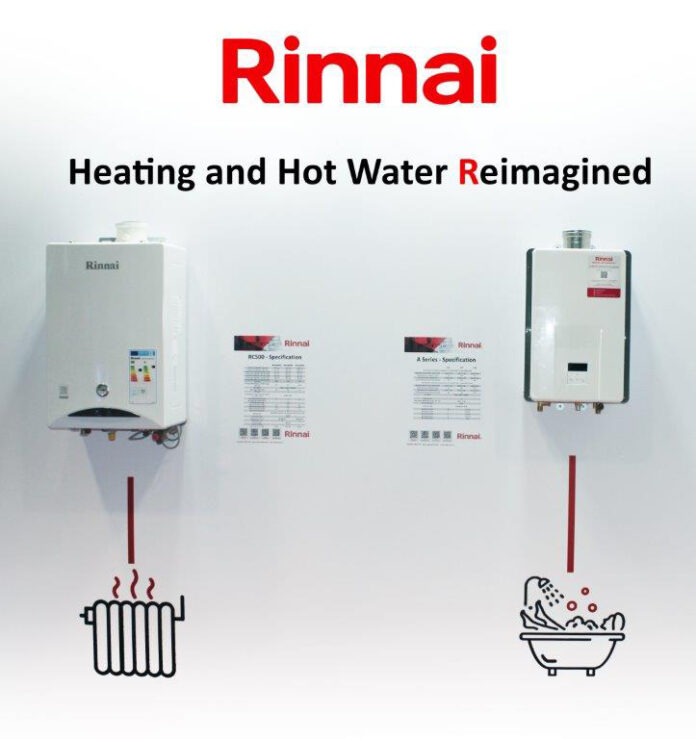
Rinnai hot water heating products have been used by Stockport College within their training facilities. The state-of-the-art commercial heat pumps, continuous flow water heaters and boilers will be used as training equipment for the next generations of plumbing and heating engineers.

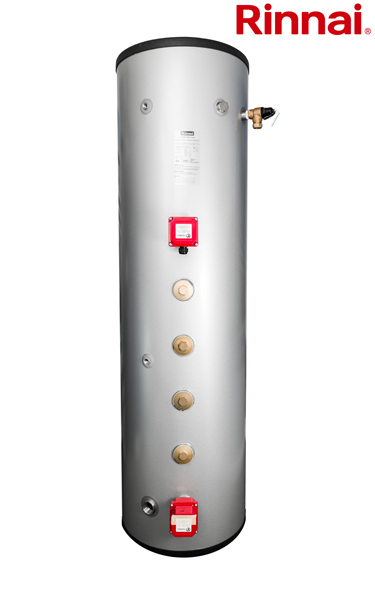
This includes the Rinnai 11i light commercial/domestic range of tankless continuous flow water heaters plus the new i32 Inverter Monoblock LOW-GWP Heat Pump (4kW) and the 150 Litre Heat Pump Thermal Cylinder Single Coil.

Rinnai’s range of Monobloc air source heat pumps are available in an assortment of variants, from 4 to 110kW. Stockport has taken the 4 kW models. The air source Low-GWP heat pump technology allows up to seven units to be cascaded together, making the Rinnai heat pump range an ideal choice for any heating or hot water demand. The innovative ability of the system to switch between heating, hot water, and cooling mode ensures that the Rinnai range has flexibility and durability as standard.

The units omit minimum acoustics via an installed ultra-low sound capability making Rinnai heat pumps suitable for any area with prohibitive sound legislation. Rinnai’s range operates within compliance of all stringent sound standards ensuring low-sound functionality.

All Rinnai heat pumps use R32 or R290 refrigerant, renowned for reducing electricity consumption and for holding a lower global warming potential (GWP). Rinnai’s HPI commercial heat pump range is ratified with an ERP rating of A +++ and includes an ability to switch between settings of heating, hot water and cooling.

Also on site at Stockport College’s training facilities are the Zen and Zen Plus home hot water & heating systems which marry established and proven manufacture durability with new technologies to offer great energy efficiencies, user control and comfort. The Rinnai Zen and Zen Plus system will increase comfort and reduce energy usage whilst also providing a highly economically solution for today’s changing marketplace.

Some of the features of Zen & Zen Plus are:  IOT controller as standard; Fast heating mode; DHW pre-heat function – saving wasted water; Energy monitor function allows user to monitor energy usage; flue runs up to 30 meters, Rinnai boiler App for android and IOS.

The Rinnai heat pumps and cylinders and the 11i models, plus some of the Rinnai Zen domestic boilers, will be used in the training facility where students will learn about installation, stripping down, pipework, flues – the whole Nine Yards!

The 11i units are an advanced variant of traditional multipoint water heaters, and they are far more efficient than traditional storage systems. They are ideal for sites such as restaurants, fast food outlets, guest houses, small hotels, day care centres and any other type of light commercial or domestic application requiring high volumes of water at intermittent times of the day, delivered at accurate temperatures to ensure user comfort and safety.

Key Features

  • Hydrogen Ready – for 20% Hydrogen and methane blending
  • Ultra Low-NOx surpassing ECO-DESIGN requirements 
  • Internal wall mounted.
  • Room sealed.
  • Temperature range of 37-65 degrees centigrade 
  • Ignition Direct Electronic 
  • Easy installation 
  • Light Weight – 14kg 
  • Push Fit Flue System 
  • Simple Wiring 
  • H (541) W (373) D(173)
  • Inbuild Frost Protection 
  • Ideal replacement for traditional water heaters
  • Ideal for temporary or emergency hot water 
  • Available as Natural Gas, LPG & BioLPG Water Heater

Rinnai’s H1, 2 and 3 range of products includes domestic and commercial heating and hot water heating products and systems in all fuels and energy vectors that offer immediate property decarbonisation and lower carbon levels.

Rinnai is determined to provide UK customers with cost effective low carbon solutions towards domestic and commercial hot water and building heating provision.

For more information on the Rinnai range of training and CPD courses visit https://www.rinnai-uk.co.uk/training/appliance-training-enrollment and book on a course today.

RINNAI’S H3 DECARBONISATION OFFERS PATHWAYS & CUSTOMER COST REDUCTIONS FOR COMMERCIAL, DOMESTIC AND OFF-GRID HEATING & HOT WATER DELIVERY  

www.rinnai-uk.co.uk/about us/H3 

Rinnai’s H3 range of decarbonising products include hydrogen / BioLPG ready technology, hybrid systems, and a wide range of LOW GWP heat pumps and solar thermal. Also, within Rinnai’s H3 range is Infinity hydrogen blend ready and BioLPG ready continuous flow water heaters which are stacked with a multitude of features that ensure long life, robust & durable use, customer satisfaction and product efficiency. 

Rinnai’s range of decarbonising products – H1/H2/H3 – consists of heat pump, solar, hydrogen in any configuration, hybrid formats for either residential or commercial applications. Rinnai’s H3 range of products offer contractors, consultants and end users a range of efficient, robust and affordable decarbonising appliances which create practical, economic and technically feasible solutions. The range covers all forms of fuels and appliances currently available – electric, gas, hydrogen, BioLPG, DME solar thermal, low GWP heat pumps and electric water heaters. 

Rinnai H1 continuous water heaters and boilers offer practical and economic decarbonization delivered through technological innovation in hydrogen and renewable liquid gas ready technology. 

Rinnai’s H1 option is centred on hydrogen, as it is anticipated that clean hydrogen fuels will become internationally energy market-relevant in the future; Rinnai water heaters are hydrogen 20% blends ready and include the world’s first 100% hydrogen-ready hot water heating technology. 

Rinnai H2 – Decarbonization simplified with renewable gas-ready units, Solar Thermal and Heat Pump Hybrids. Rinnai H2 is designed to introduce a practical and low-cost option which may suit specific sites and enable multiple decarbonisation pathways with the addition of high performance. 

Rinnai H3 – Low-GWP heat pump technology made easy – Rinnai heat pumps are available for domestic and commercial usage with an extensive range of 4 – 115kW appliances.

Rinnai’s H3 heat pumps utilise R32 refrigerant and have favourable COP and SCOP. 

Rinnai is a world leading manufacturer of hot water heaters and produces over two million units a year, operating on each of the five continents. The brand has gained an established reputation for producing products that offer high performance, cost efficiency and extended working lives. 

Rinnai’s commercial and domestic continuous flow water heaters offer a limitless supply of instantaneous temperature controlled hot water and all units are designed to align with present and future energy sources. Rinnai condensing water heaters accept either existing fuel or hydrogen gas blends. Rinnai units are also suited for off-grid customers who require LPG and BioLPG or DME. 

Rinnai products are UKCA certified, A-rated water efficiency, accessed through multiple fuel options and are available for purchase 24/7, 365 days a year. Any unit can be delivered to any UK site within 24 hours. Rinnai offer carbon and cost comparison services that will calculate financial and carbon savings made when investing in a Rinnai system. Rinnai also provide a system design service that will suggest an appropriate system for the property in question. Rinnai offer comprehensive training courses and technical support in all aspects of the water heating industry including detailed CPD’s. More information can be found on Rinnai’s website and its “Help Me Choose” webpage. 

Visit www.rinnai-uk.co.uk  

Or email engineer@rinaiuk.com  

For more information on the RINNAI product range visit

www.rinnaiuk.com

Green tech company finds 23% energy saving at campus building

Pioneering live digital twin technology piloted at the University of Liverpool   

A new tool for optimising the operational performance of buildings has been used as part of a project at the University of Liverpool, resulting in operational cost savings of £25,000 and energy consumption reductions of 23%.  

Glasgow-based climate technology firm, IES, is working in partnership with the university by using IES Live to evaluate in real-time the impact of an ongoing HVAC refurbishment project for one of its campus buildings.  

The project is one of the first to utilise the first-of-its-kind tool which connects live operational data from a building to a calibrated digital twin. Aimed at facilities managers, it equips teams with a single pane view of live operational performance metrics via the cloud. 

In order to realise the savings, evaluate the performance of the campus building and identify the required improvements to enhance efficiency, a digital twin of the building was created. 

The digital twin was used to test various refurbishment scenarios and identify those that would be most effective in generating energy, carbon, and cost savings. Once the selected improvements had been made to the building, the digital twin was upgraded by connecting live data from the BMS and energy meters, enabling the model to be calibrated to match measured data on an hourly basis. The updated model highlighted additional interventions to optimise operational performance and move towards decarbonisation. 

The university’s facilities management team is now using this operational performance digital twin to continually monitor and improve the building. Benchmarking against the simulated baseline, the university can track performance and gain improvement insights for energy, carbon, and comfort. Additionally, the ongoing impact of the refurbishment can be measured and verified. 

The live feature also helps to prevent operational drift, whereby the performance of building systems degrades over time, as any issues will be flagged and can be fixed before they begin to have an impact. 

Replicable across the campus, the university plans to continue collaborating with IES to create digital twins for three more buildings in the next phase of work. 

Valeria FerrandoAssociate Director at IES, said: “Improving the operation of buildings is key to mitigating energy and climate risk, cutting costs and emissions, meeting sustainability objectives and increasing resilience, not to mention being a vital part of a successful net zero strategy. However, you can’t improve what you can’t measure and there was a gap in the market for a tool that can connect live operational data, providing continuous insights and giving energy management teams a holistic view of how their building is performing. IES Live is a real game-changer, maximising the impact of a digital twin which leverages a world-class simulation engine and placing this power in the hands of those who need it. 

“It’s been a pleasure to work with the University of Liverpool to pilot IES Live and enable them to evaluate the effectiveness of their retrofit measures, verify predicted results and allow informed decisions to be made on building improvements. We look forward to replicating the work across the campus.” 

Tony SmallHead of Engineering Services at the University of Liverpool said: “Working with IES on this project has given us detailed insight into the impact of our refurbishment work and will enable us to continually monitor and update our operational systems to ensure that the building is operating efficiently. With building use, occupants and settings altering frequently, having access to this level of data means we can make informed decisions on improvements and ensure optimum performance doesn’t come at the expense of occupant comfort.” 

What is LEMA?

The Local Energy Markets Alliance (LEMA) is a pioneering business-led initiative to develop a commercially viable market for consumer-facing Local Energy Systems (LES).

The energy transition is placing an increasingly complex burden on the grid leading to growing congestion and politically unacceptable connection queues.

LES trials have demonstrated the technical ability to mitigate this congestion.  What is needed now are the market structures to deliver commercially viable LES at scale.

This initiative will enable our industry to step up to collectively ‘simplify the energy burden and unlock commercial growth’. It is about us taking action now.

LEMA was established by Gemserv, a Talan Company and The Traxis Group Ltd to drive forward the wide-scale benefits of LES as a part of the broader field of distributed energy and flexibility.

The scaled deployment of LES holds significant potential to deliver flexibility to the grid, alongside the benefits and energy security offered through local energy independence. 

However, the realities are that, for LES to be viable, long term, they are still yet to be evidenced as commercially sustainable across the value chain; chiefly falling short of providing a compelling customer proposition, giving wide-spread confidence to investors, and the operational certainty of mitigating local congestion.

We recognised that for LES to thrive, the foundational elements of a viable, structured ‘market’ are required, where the broad organisations and stakeholders that sit across the value chain could coalesce, finding confidence through the development of common approaches, frameworks, templated agreements and considered business models. Without these, it could be the case that LES struggle to break out their confinement to localised projects and trials.

LEMA seeks to achieve its goals and objectives through the collaboration of like-minded organisations across GB and Europe. LEMA invites interests from across the market, including commercial companies, facilitators, not-for profits and representatives of key market functions, to join as members, coming together to deliver its collectively agreed work-plan.

The organisations involved with LEMA represent broad interests in the value chain for Local Energy Systems, including:

  • DNO/DSOs & IDNOs
  • Property Developers
  • Aggregators and Flexibility Service Providers
  • Energy Retailers
  • Financial Entities
  • Energy Consultancies
  • Community Representatives
  • Local Authorities
  • Not-for-Profit Market Facilitators
  • Law Firms
  • Service Equipment & Platform Suppliers.

LEMA additionally welcomes engagement from Government and regulatory bodies, but central to our approach, we do not seek to rely upon centralised facilitation, rather focussing on a business led and market approach to progressing opportunities in LES.

Working with these stakeholders, LEMA has established its headline work-plan to achieve commercially sustainable and scalable LES. 

The key focus areas are to:

  • Generate an Enterprise Market – Generate the integrated propositions & business models to maximise and share value.
  • Facilitate Business Integration – Formalise the frameworks, agreements and other documentation to underpin commercially viable LES.
  • Support a Local Perspective – Address practical issues of implementing, learning and improving upon LES approaches.

LEMA and its members aim to develop the LES propositions across 2024, move towards the development of common structures and contractual frameworks across 2025, seeking to prove approaches in the market through live LES deployments by 2026.

LEMA has benefited from being formalised as an organisation and has successfully onboarded founding members that are playing a critical role in shaping the detailed workplans aimed at achieving the integrated propositions, enhanced business models, baselined frameworks, agreements, contracts and policies necessary to deliver commercially sustainable and scalable LES.

https://linktr.ee/lema.literature

This article appeared in the .

Cutting unnecessary use – an ‘easy win’ in reducing energy costs.

With the ongoing energy crisis and costs still high, there has been a growing demand by providers of student accommodation, to manage heating more effectively.

Too often in HMOs, the complexity of thermostat operation means the ‘constant mode’ is permanently engaged. As many controls are easily tampered with, ‘maximum heat’ is modus operandi. Windows are opened to provide heat regulation!

Restricting tenants heating is not ethical, and legal requirements stipulate the ability of rooms to maintain temperature levels. However, heating rooms that are empty, or when windows and doors are open, is simply wasted energy.

Automating efficiency takes the onus off room occupants and assures bill-payers that energy is not used unnecessarily.

Intelligent thermostats that manage individual rooms are the cost-effective solution. A new UK designed and manufactured generation has just been launched by Prefect Controls.

Simplicity of use (just Boost and Down/Off buttons), robust design and manufacturing, and impressive energy saving has made ecoStat popular with end users and installers since its introduction 25 years ago.

ecoStat3 builds on this performance by integrating a microwave occupancy sensor, along with other technical, performance and usability enhancements.

Developed for student accommodation, ecoStat has also proved popular in HMOs, hotels, hostels, holiday lodges and caravan parks. It is designed to deal with challenging environments. The evidence – 200,000+ fitted controls, still in operation.

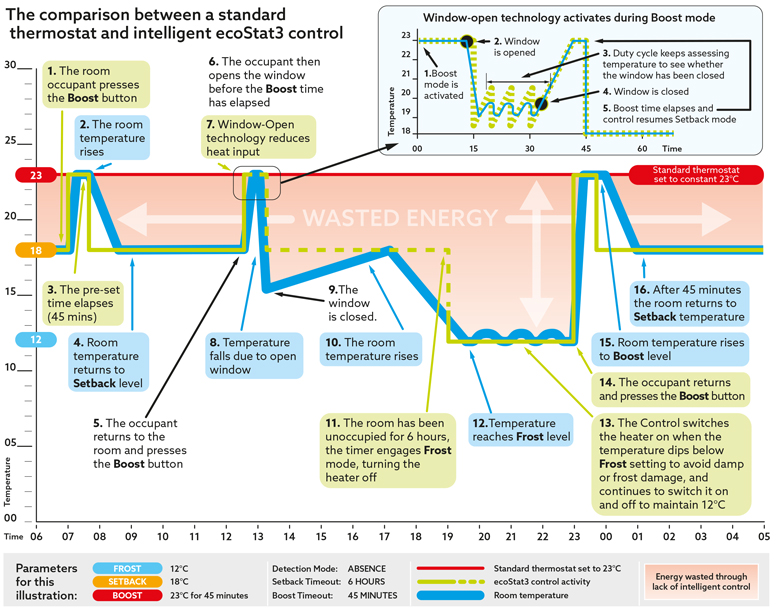
The principal behind ecoStat3’s energy saving is the 3-mode profile – Setback-Boost-Frost modes. This ensures occupants enjoy a comfortable environment (Setback), while giving them the capability to increase temperature (Boost), but for a pre-set time. When rooms are unoccupied or ambient temperature is equivalent to setback, heaters boilers, or wet radiators are switched off, becoming active again only if there is the possibility of material damage from damp or frost (Frost).

Settings are infinitely changeable, but a typical profile is Setback: 18°C. Boost: 23°C for 45 minutes. Frost: 12°C.

ecoStat3 is always striving to reduce heat input, while keeping rooms comfortable. This typical profile maintains 18°C. Should the occupant press to request Boost, 23°C is met for 45 minutes. When Boost time elapses Setback re-engages, room temperature returns to 18°C. Should the occupant leave during Boost time, Setback re-engages. If windows are opened, heat input is reduced.

When vacant for longer periods, the heater turns off, and the control enters Frost mode.

Heating controlled by ecoStat delivers average savings of 20-30%. These savings are not made by restricting tenants access to heat – it is energy that would have heated empty rooms, or worse still, escaped through open windows.

Thermostats cannot be tampered with as the occupant has no access to programming. All parameters are set by authorised personnel using a dedicated infrared handset.

The all-new programming handset has been redesigned for ecoStat3 but has backwards compatibility with previous ecoStat ranges. The user interface is intuitive and the handset ergonomic. Profiles input on the handset, are then pointed and ‘sent’ to ecoStat3. For convenience, the handset features NFC (Near Field Communication) where simply holding it close to the control updates parameters.

The two new models operate and perform in the same way, the only difference being the integration of a microwave occupancy sensor, affording greater savings.

Reducing waste without compromising comfort must be the sensible approach to reducing energy costs.

www.prefectcontrols.com

This article appeared in the .

Demystifying the UK’s current policy landscape surrounding the decarbonisation of heat

Neil Saunders, Sales & Marketing Director at Vokèra by Riello, Carrier GCS Europe, elaborates on the UK’s current policy landscape surrounding the decarbonisation of heat, highlighting key strategies and technologies aimed at reducing greenhouse gas emissions associated with heating.

The United Kingdom stands at a pivotal moment in its journey towards achieving net-zero carbon emissions by 2050. As part of this goal, the UK government has enacted various policies and initiatives to decarbonise the economy, with a particular focus on the heating sector.

A Paradigm Shift in Heating

Central to the UK’s decarbonisation efforts, is the overhaul of the Energy Performance of Buildings Directive (EPBD)1. The agreement requires the phase-out of gas boilers, a cornerstone of traditional heating systems. In November 2020, the government made a groundbreaking decision to ban the installation of new gas boilers in new-build homes by 20252.

This marked a significant departure from the UK’s reliance on fossil fuels and underscores the urgency of transitioning to low-carbon heating alternatives.

Among the alternatives to gas boilers, heat pumps have been advocated as a primary contender. These innovative systems extract heat from the air, ground, or water, offering a sustainable and efficient heating solution for homes and businesses.

The UK government has introduced incentives – such as grants and subsidies3 – to encourage the uptake of heat pumps, recognising their potential to significantly reduce carbon emissions in the heating sector. At Vokèra, we have created a training programme4 to ensure we have the skilled workforce needed to support the planned growth of the heat pump market.

Hydrogen holds promise as another viable option for decarbonising heat. Through its hydrogen strategy5, the UK government aims to develop hydrogen production, distribution, and utilisation infrastructure. Boilers that can use 100% hydrogen, which produce heat through combustion with oxygen and only produce water vapour as a result, present a potential alternative to natural gas boilers, offering consumers a familiar, yet low-carbon heating solution.

Plans to upscale hydrogen production, transport and storage could potentially deliver over 12,000 jobs and up to £11 billion of investment across the UK by 20306. We have products in development which are engineered for the use with 100% hydrogen via a conversion kit that is under development.

Scaling up sustainable infrastructure through initiatives such as district heating systems7 – which supply heat to multiple buildings from a centralised source – offer a scalable solution for decarbonising heat. By utilising heat sources such as waste heat, geothermal energy, or biomass, these systems contribute to reducing reliance on fossil fuels and lowering carbon emissions in urban environments. Currently, only 2% of UK homes are connected to a district heating network7, however, more are expected to come online as the UK transitions to net zero over the coming decades. Continued government support through funding and incentives will be critical for the expansion of district heating networks across the UK.

Utilising organic materials like wood pellets to power biomass boilers, or photovoltaics like solar thermal systems – harnessing sunlight to generate heat – provide additional renewable heating options for consumers. These technologies offer opportunities to diversify the UK’s heating mix, particularly in rural areas or locations with abundant biomass fuel sources and ample sunlight.

As the UK transitions to low carbon heating technologies, safeguarding energy security remains paramount. While renewable energy sources offer environmental benefits, maintaining a reliable and resilient energy supply is essential. Policy measures must prioritise energy security alongside sustainability to mitigate risks and safeguard against disruptions in heating provision.

Empowered Decision-Making

Recognising the diverse needs and preferences of consumers is crucial in the transition to sustainable heating. Providing consumers with a range of options and empowering them to make informed choices aligns with principles of consumer sovereignty. Factors such as upfront costs, operating efficiency, reliability, and personal preferences should be considered in shaping policies and incentives for low-carbon heating technologies.

The Role of Manufacturing

Manufacturing plays a pivotal role in the transition to low-carbon heating solutions. By embracing a technology-agnostic approach, manufacturers can drive innovation, optimise production processes, and meet evolving market demands.

This strategy fosters innovation, collaboration, and cross-sectoral partnerships, propelling advancements in decarbonising heat. By embracing openness to new approaches and leveraging emerging technologies, the UK manufacturing sector can expedite its transition towards a sustainable and secure energy future.

Towards a Sustainable Heating Future

The phase-out of fossil fuel gas boilers and the adoption of low-carbon heating technologies represent pivotal steps in the UK’s journey towards achieving net-zero carbon emissions. Through bold policy measures, investment in innovative technologies, and engagement with consumers and industry stakeholders, the UK can achieve the goal of decarbonising heat.

At Vokèra, we are versatile in our approach and will adapt to the requirements of each project ensuring we specify the most reliable and efficient heating solution for your circumstances. By prioritising sustainability, energy security, and consumer choice, we believe the UK can meet the requirements outlined in the updated Energy Performance of Buildings Directive (EPBD) and build resilient and sustainable heating solutions fit for the challenges of the 21st century.

References:
1) https://eibi.co.uk/news/fossil-fuel-boilers-to-be-completely-phased-out-by-2040-in-epbd-revamp/

2) https://www.independent.co.uk/climate-change/news/gas-boiler-ban-heat-pumps-b1941255.html

3) https://hoa.org.uk/advice/guides-for-homeowners/for-owners/heat-pump-grants/#:~:text=The%20government%27s%20Boiler%20Upgrade%20Scheme%20offers%20grant%20to%20cover%20part,of%20low%20carbon%20heating%20technologies.

4) https://www.vokera.co.uk/skilled-workforce-needed-to-boost-heat-pump-rollout/

5) https://assets.publishing.service.gov.uk/media/65841578ed3c3400133bfcf7/hydrogen-strategy-update-to-market-december-2023.pdf

6) https://www.gov.uk/government/news/major-boost-for-hydrogen-as-uk-unlocks-new-investment-and-jobs

7) https://energysavingtrust.org.uk/what-district-heating/

This article appeared in the .

The crucial role of data insights through steam metering in industrial processes

In today’s industrial landscape, efficiency and sustainability have become paramount. As organisations strive to optimise their operations and reduce energy consumption, they are increasingly turning to technologies that can help them achieve these goals.        

Steam, a ubiquitous source of energy in many industrial processes, is no exception. Steam metering, a practice that involves measuring and monitoring the consumption of steam, is playing a vital role in improving energy efficiency, reducing costs, and minimising environmental impact. In this article, we will explore eight key reasons why steam metering is essential in industrial processes.

  1. Energy Conservation. One of the most compelling reasons for implementing steam metering is the need to conserve energy. Steam is a valuable resource that often accounts for a significant portion of a facility’s energy consumption. Without proper measurement and monitoring, it is challenging to identify and address inefficiencies in steam usage. Steam metering provides real-time data that helps operators and engineers identify areas where energy is being wasted, enabling them to take corrective actions promptly.
  2. Appropriate sizing of carbon reduction solutions. Accurate metering data will demonstrate the benefits of any energy conservation system improvements. This same metering data can help you to review and assess base and peak loads. Peak loads, and the reduction of them where possible, play a key role in accurately sizing and selecting the most suitable and efficient, carbon reduction solutions.
  3. Cost Reduction. Efficient energy management goes hand in hand with cost reduction. Steam metering allows organisations to track their steam usage accurately and, in turn, allocate costs more effectively. By pinpointing excessive consumption or leaks, organisations can make informed decisions to reduce operational expenses, ultimately contributing to higher profitability.
  4. Process Optimisation. Steam plays a pivotal role in many industrial processes, such as heating, sterilisation, and power generation. Precise measurement of steam usage enables organisations to optimise their processes, ensuring that they receive the required amount of steam at the right time. This optimisation can lead to improved product quality, reduced production time and enhanced overall productivity.
  5. Emissions Reduction. Steam metering not only aids in energy efficiency but also contributes to reducing carbon footprints. By minimising steam wastage and overuse, organisations can significantly lower their greenhouse gas emissions. This aligns with global efforts to combat climate change and adhere to regulatory requirements.
  6. Maintenance and Reliability. Steam metering can serve as an early warning system for maintenance needs. By monitoring steam consumption and pressure levels, organisations can detect potential equipment issues or steam leaks, allowing them to address problems before they lead to costly breakdowns. This proactive approach enhances the reliability and longevity of steam-related assets. 
  7. Accountability. Steam metering enables organisations to track and allocate steam costs accurately, making departments and individuals aware of their consumption. This can motivate better energy management practices at all levels of the organisation.
  8. Compliance and Reporting. Many industries face strict regulations and reporting requirements related to energy consumption and emissions. Steam metering provides the necessary data to meet these compliance standards and simplifies the reporting process.

    Steam metering is an indispensable tool for modern industries seeking to improve energy efficiency, reduce operational costs, and minimise environmental impact. With the benefits of energy conservation, cost reduction, process optimisation, emissions reduction, maintenance and reliability, accountability, and compliance, steam metering has become an essential component of efficient and sustainable industrial processes. To explore steam metering solutions, visit https://www.spiraxsarco.com/global/en-GB

This article appeared in the .

Local energy: Innovation can power a fairer future

Dr Stephen Hall

By Dr Stephen Hall, Head of Ashden Awards

Across the UK, ‘local energy’ is on the rise. We’ve seen work to maximise the potential of small and medium scale renewables like solar and wind, through the roll out of electric heating, the electrification of transport, and the connection (via WiFi) of everything from your fridge to your car.

It seems to make intuitive sense. All these technologies together can act as lots of little batteries to store and release energy when needed. They can respond by using more or less power when the energy system needs it. Because ‘we’ can buy and own all this technology, ‘we’ can also gain some control over the energy system itself.

This opens up all sorts of possibilities – such as as the creation of tiny energy markets, where individuals can trade surplus and storage, or even gift them to others. But a key outcome could be new initiatives and services benefiting social housing tenants, and others facing danger from energy price shocks and fuel poverty.

Local energy can power a fairer society – but only if regulations and policies work towards that goal. For example, by making sure cheap local energy isn’t limited to those with the resources to buy up new generating systems and only share that energy among themselves. This scenario would leave the less well-off missing out on the benefits of new technology, but potentially also paying a higher price to keep our ‘legacy’ energy network on its feet.

What we need, are ways to maximise the benefits of local energy to everyone, so all homes can benefit from energy innovations. This is where a new crop of social, technical and commercial innovations come in which could mean a ‘tipping point’ for local energy. Here are just a few examples.

Emergent Energy are the UK’s first company to crack the problem of sharing solar power between flats. In the past, solar could be installed on flats and other multi occupancy buildings but could only power communal areas like stairwells and lifts, a solution that didn’t really work for anyone. Emergent Energy have been able to combine metering solutions, a private microgrid, and regulatory innovations, to ensure building owners can install solar on flats and residents can benefit from cheaper cleaner electricity. Emergent Energy will be expanding this model through the coming year and this quiet revolution could change the energy options for flats and multi-occupancy buildings forever.

Energise Barnsley are another example of where a little innovation can go a long way. Energise Barnsley are the largest local authority and community energy rooftop solar PV project in the UK and have been able to provide battery storage along with solar to residents of social housing. By provisioning battery storage as well as solar generation, far more of the energy generated locally can be used by the homeowners, leading to bigger bill savings and further opportunities for social housing to participate in smart energy markets such as demand side response.

Meanwhile, The Housing Associations’ Charitable Trust are bringing the costs of energy retrofits and smart energy technologies down by using their ‘retrofit credits’ scheme. This scheme goes to voluntary carbon markets, and allows companies to offset their emissions by buying credits which go directly to retrofitting social homes. These credits can be applied across the housing sector to bring the costs of clean energy technologies down even further.

What stands out from these three cases is not only the individual contribution they can make but how, together, they can lead to a tipping point in local energy where solar and other clean energy generation can be stored, traded, even shared and gifted so that energy innovation can benefit all communities.

It’s important to recognise the many benefits local energy schemes can bring, if action is targeted in the right way. These benefits go far beyond lowering our carbon emissions – they include better health and action on fuel poverty, as well as creating good green jobs in marginalised communities. For councils and housing associations in particular, these are all good reasons to be pro-active in supporting local energy.

The challenge for energy regulation and energy innovation funding is to find new market models and regulation that can make space for these innovations to thrive and benefit the missions of families in fuel poverty across the country, as well as the middle-class smart energy consumers currently spearheading consumer engagement with local energy.

The Ashden Awards will take place on the evening of Thurs 27 June in London during London Climate Action Week. Bookings: https://ashden.org/awards/ceremony/

Steve leads the development and delivery of the prestigious Ashden Awards which explore the latest challenges for global climate action and search for the best solutions in the world. In his previous work in academia he published extensively on sustainable energy systems, energy transitions, sustainable cities and climate policy and economics.

This article appeared in the .