
A leading provider of gas-infrastructure services meets the diverse needs of the utilities industry

As one of the countryโ€™s largest manager of gas-meter equipment and a provider of the full range of gas connection services, National Gas Metering plays a vital role in gas projects of all types and sizes. Since 1986, the company has worked across domestic, industrial and commercial installations, spanning all pressure tiers โ€“ and is now extending this expertise beyond natural gas to hydrogen, anticipating the transition to support the UKโ€™s ambitious net-zero-emissions goals.

For any project with a gas-infrastructure need, National Gas Metering offers a full one-stop-shop service โ€“ through its Siteworks team which includes specialists GIRS design and project management along with the all-important design, build and installation of your gas metering installation.

New connections, disconnections, upgrades, downgrades, alterations, removals, metering and civils along with Kiosk design and build services are all covered.

The team also design, build and connect outlet pipework at a customerโ€™s site allowing you an un-interrupted supply to carry on โ€˜business as usualโ€™ on a supply critical site via a parallel installation.

Very few companies offer this complete end-to-end solution for gas-infrastructure projects, and recent research shows that customers in a variety of industries highly value this comprehensive capability.

Preparing for a cleaner future

Looking ahead, National Gas Metering intends to remain the UKโ€™s leading provider of gas-metering and infrastructure services. However, in the decades to come, the gas in question is likely to be hydrogen.

The companyโ€™s aim is to support any business wanting to make the transition to hydrogen. Consumers will still need safe and highly accurate metering equipment, which is connected to the source of distribution. This is the focus of National Gas Meteringโ€™s R&D activities, and it leverages its supply-chain partners to collaborate on developing the products needed to ensure accurate and effective hydrogen metering and connection. As natural-gas infrastructure changes to hydrogen infrastructure, National Gas Metering will be ready to help the countryโ€™s homes and businesses change with it.

Of course, natural gas will continue being used until the move over to hydrogen has taken place. National Gas Metering will provide services for both, using its knowledge and experience to help make the transition between them as smooth, and successful, as possible.

To find out more about National Gas Metering, visit;

https://metering.nationalgas.com/services/gas-connections-infrastructure

Call: 0121 210 3763. Or follow on Linked In: https://www.linkedin.com/company/national-gas-metering


This article appeared in the September 2024 issue of Energy Manager magazine. Subscribe here.
New Government prioritises clean & cost-effective power

Chris Goggin

Chris Goggin observes and comments on the priorities of the new Energy Secretary Ed Miliband. Enhancing renewable energy production is a key objective of the current government, as is the creation of a publicly owned Energy company that safeguards UK customers from external cost elevations. Additional insights into large solar and wind projects as well as information on further home heating plans will also be shared.

A list of national priorities has been drawn up by the new Secretary of State for Energy Security and Net Zero. These objectives include:

  • taking back control of our energy with Great British Energy.
  • upgrading Britainโ€™s homes and cutting fuel poverty through our Warm Homes Plan.
  • standing up for consumers by reforming our energy system.
  • creating good jobs in Britainโ€™s industrial heartlands, including a just transition for the industries based in the North Sea.
  • leading on international climate action, based on our domestic achievements.

This article will concentrate on what these aims mean for UK customer energy options and cost. The first two bullet points regarding โ€œGreat British Energyโ€ and โ€œThe Warm Homes Planโ€ will be discussed as key areas of interest within this article.

The current government hope to create a publicly owned energy company capable of delivering clean energy that bolsters domestic security at low cost. Great British Energy will be supported by ยฃ8.3 billion of subsidy and will assist national industry, local authorities and public sector organizations in pursuit of a fair, clean and cost-effective energy transition.

ยฃ3.3 billion will be directed towards the construction of localized smaller power projects whilst ยฃ5 billion will be invested into larger projects and supply chains. This money will be raised through the taxing of North Sea fossil fuel companies.

Great British Energy will generate and deploy clean renewable electricity to support all UK households that are currently being affected by exorbitant fossil fuel costs. The current government aims to completely decarbonize the UK electrical grid by 2030 to safeguard UK customers against external geopolitical influences that elevate costs.

A further move that highlights the governmentโ€™s commitment towards renewable capacity enhancement is the uplifting of the onshore wind ban imposed by the former government. This move will assist in adding additional renewable energy capacity to the national grid once project connections are made.

Scottish based clean energy company SSE Renewables have begun operations at the ยฃ566 million Viking Wind Farm located on the Shetland Islands. Once fully operational 103 turbines will generate 443MW of clean power and provide energy to 475,000 homes. Viking Wind Farm will be the most productive onshore wind facility in the UK.  

Alongside uplifting the onshore wind ban, the new Energy Secretary Ed Miliband has recently awarded planning permission for three large solar projects that will provide clean energy and offer stable national power security.

UK solar power companies PS Renewables and Tribus Clean Energy are collaborating to deliver a ยฃ600 million, 2,500-acre solar farm on the Suffolk Cambridgeshire border. Once operational power could be potentially distributed to 172,000 homes. 

Clean energy company Low Carbon will construct and operate the Gate Burton Solar facility, Lincolnshire. The 500MW renewable installation will distribute green power to 160,000 homes once commercially viable.

The 350MW Mallard Pass solar farm is in Lincolnshire and Shetland will provide 92,000 households with green power and is expected to be operational for around 60 years. All three solar farms exemplify the intent to introduce cleaner energies into UK domiciles and commercial properties.

An additional government objective includes the ยฃ6.6 billion Warm Homes Plan that will work alongside local councils and authorities to deliver grants and low interest loans in supporting investments for insulation, solar and other low carbon methods of domestic building heat.

A new direction of energy policy is designed to rapidly increase renewable capacity into the UK electrical grid whilst reducing customer cost and carbon emissions. The creation of a publicly owned energy company – Great British Energy and adding objectives such as the Warm Homes Plan will help to deliver further improvements upon UK NetZero accomplishments. More details on the energy objectives of the new Labour government can be seen at Energy Secretary Ed Miliband sets out his priorities for the department – GOV.UK (www.gov.uk)

Rinnai will continue to analyse all media reportage of energy matters and provide UK customers with information that affects fuel cost, supply and options. Further updates on energy policy, legislation and standards can be delivered direct to your mailbox with Rinnaiโ€™s monthly newsletter, simply sign up at www.rinnai-uk.co.uk/contact-us/newsletter-sign

Visit www.rinnai-uk.co.uk  


This article appeared in the September 2024 issue of Energy Manager magazine. Subscribe here.

Only thermal spring in Wales gets new role as renewable heat source

A primary school and bowls pavilion in a South Wales village have switched to clean, renewable heating, but in an innovative way that cannot be replicated anywhere else in Wales.

Ffynnon Taf Primary School and the Pavilion at Taffโ€™s Well Bowling Club in Taffโ€™s Well, Wales, have had a bold new heating system installed by Kensa, the UK-based Ground Source Heat Pump specialists, that uses naturally occurring heat from the only thermal spring in Wales โ€“ the historic Taffโ€™s Well Spring.

This unique water source heat pump system harnesses natural heat from the warm spring water, which emerges from deep beneath the earth at around 21C, to provide the two council-owned properties with low-carbon heating and hot water.

Using the innovative clean heating method instead of gas is expected to cut the school and pavilionโ€™s carbon emissions linked to heating by close to 80%. It also demonstrated a way of using Kensaโ€™s ground source heat pumps without drilling vertical boreholes to access heat energy stored in the ground.

The bold idea of using the Taff’s Well thermal spring to heat buildings was initially proposed by the Friends of Taffโ€™s Well community group, who were looking at other ways the historic spring could benefit the local community.

The unique installation highlights the versatility of Kensaโ€™s ground source heat pump systems and forms part of Rhondda Cynon Taf Borough Councilโ€™s ambitious plans to decarbonise by 2030.

How the system works:

  • Kensaโ€™s ground source heat pumps, found in thousands of UK properties, are usually set up to source energy from the ground to provide heating and hot water.
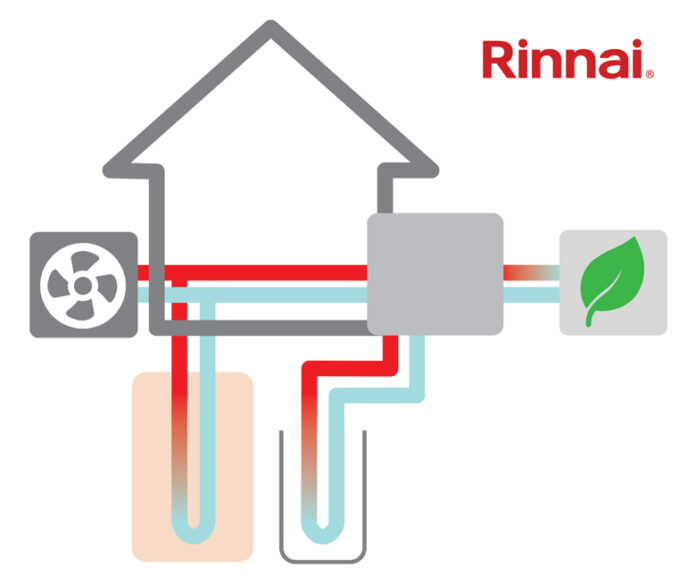
  • The one-of-a-kind installation at Taffโ€™s Well pumps warm water from the spring and passes it through a nearby heat exchanger, which is connected to Kensaโ€™s ground source heat pumps housed inside the school and pavilion.
  • In this highly energy-efficient system, heat energy stored in the warm spring water is absorbed and converted by the heat pumps into usable energy for the school and pavilionโ€™s heating and hot water systems.
  • While in the system, the water is confined to its own pipework, mostly hidden under the ground and out of sight, and doesnโ€™t encounter any other substances to ensure thereโ€™s no issue of contamination or pollution.
  • To keep the connecting pipework hidden and to avoid above-ground damage, Kensa horizontally drilled hundreds of meters between the Well, the school, and the pavilion.
  • After passing through the system, the clean water is emptied back into the Wellโ€™s overflow, feeding into the River Taff.
  • This is the only system installed by Cornwall-based Kensa that uses a natural thermal spring as a heat source.

This project follows other retrofit renewable heating installations completed in non-domestic buildings by Kensa. Using ground source heat pump technology the UKโ€™s leading manufacturer and solutions provider has futureproofed heating and lowered carbon emissions caused by heat in multiple UK schools and council properties.

On Tuesday, 16th July, Kensaโ€™s Dr Stuart Gadsden visited the site, along with representatives from Rhondda Cynon Taf County Borough Council, to demonstrate to pupils from the Ffynnon Taf Primary Schoolโ€™s Eco Committee how their new low-carbon heating and hot water system works.

Dr Stuart Gadsden, Kensa Contracting Commercial Director, said:

โ€œThis is an incredibly unique system and really demonstrates how versatile Kensaโ€™s ground source heat pumps are. It was great to show the pupils how their exciting new heating system works and how it will reduce their carbon footprint.

โ€œUsing the historic Taffโ€™s Well thermal spring as a renewable heat source is a brilliant example of how bold ideas can lead to something that benefits future generations. Itโ€™s something the whole community can be proud of, and we were pleased to play our part in making it happen.โ€

Ffynnon Taf Primary School Headteacher, Kathryn Price, said:

โ€œWe are very excited about how Taffโ€™s Well Thermal Spring has been utilised for the whole school community. Our Eco Committee thoroughly enjoyed learning more about the heat pump system and how this helps to reduce the schoolโ€™s carbon footprint.  We will continue to celebrate the success of the thermal spring installation in our community for many years to come.โ€

Jon Arroyo, Energy and Carbon Reduction Manager at Rhondda Cynon Taf County Borough Council, said:

โ€œWe have an ambition to decarbonise the Council by 2030 and we understand there is no one solution to decarbonise our heating systems, so it is important that we look at what heat resources are around or under us. As a Council we see our role in exploring alternative solutions to help steer our businesses and residents in their journey towards a net zero future.โ€


This article appeared in theย September 2024ย issueย of Energy Manager magazine. Subscribeย here.

Electric versus hydrogen – Is a combination of the two the best route to Net Zero?

At the end of 2023, the House of Commons passed the Zero Emission Vehicle (ZEV) Mandate into law, meaning that by 2030, 80 per cent of new cars and 70 per cent of new vans sold in Great Britain must be zero-emission, with a goal of achieving 100 per cent zero-emission vehicles by 2035. In this article, Simon Farnfield, event director at Advanced Engineering, explains why this requires a dual approach, with electric and hydrogen both serving distinct, yet significant, purposes across a variety of sectors and applications.

The electric versus hydrogen debate has been ongoing for some time. In fact, it is often oversimplified with suggestions that itโ€™s a choice between one or the other, despite the reality being that both technologies are equally essential for a sustainable future, with each having its strengths and ideal applications.

EVโ€™s role

Electrification is one of the key strategies for coping with increasing greenhouse gas (GHG) emissions and reducing reliance on fossil fuels. Electric vehicles (EVs), also known as battery electric vehicles (BEVs), are a viable option because theyโ€™re highly energy efficient and reduce local air and noise pollution, as well as GHG emissions.

However, the full environmental benefits of EVs can only be achieved when electricity is generated from emission-free sources, like renewables. Plus, there are limitations in electrification at the time of writing.

The Clean Air Task Force state that class 8 long-haul trucks, which require batteries of about 1-2MWh, can take several hours to charge completely, increasing trip durations by up to 35 per cent. For businesses reliant on transportation efficiency and timely deliveries, longer charging times reduces the overall operational efficiency, requiring additional vehicles to maintain service levels.

EVs are considered better suited for commercial use, due to their versatility and efficiency. They are ideal for short to medium-range transportation needs, particularly in urban settings where distances are relatively short and charging infrastructure is gradually being integrated, with legislation such as the 60 km rule being implemented across Europe.

In addition, when championed against hydrogen, one argument favouring EVs is the question of whether hydrogen is as environmentally friendly as its supporters like to claim. Although hydrogen vehicles emit no emissions during operation, the process of extracting and compressing hydrogen into fuel tanks incurs significant efficiency losses.

Hydrogen for heavy-duty

With that said, there are leading manufacturers, namely Toyota, Honda and Hyundai, who are prioritising fuel cell electric vehicles (FCEVs), which are powered by hydrogen. These manufacturers are expecting that hydrogen will play a prominent role in our energy needs across future decades.

Countering EVsโ€™ argument against hydrogenโ€™s environmental impact, there are greener practices of extraction being developed, such as obtaining hydrogen from biomass. This method involves using organic materials, such as agricultural waste, wood chips or other plant-based matter, to produce hydrogen.

Whatโ€™s more, the Cleantech Group revealed that heavy-duty hydrogen trucks can be refuelled in just 10-15 minutes. FCEVs are, therefore, seen as more suitable for heavy-duty applications like long-haul trucks, buses and industrial machinery, and agricultural combine harvesters. All of these require high energy density and rapid refuelling for demanding operations, where extended range and quick turnaround times are critical.

EVs currently have the upper hand in terms of cost, mainly because of FCEVs not being manufactured at a large scale. Nevertheless, electricity is less expensive than hydrogen on a per-mile basis and EVs are currently more energy efficient and have fewer moving parts, resulting in lower maintenance costs.

Despite this, itโ€™s believed that FCEVs will be cheaper to run than BEVs within a decade, as stated in a report from Ballard and Deloitte China.

Stay up to date

These insights prove that the debate between BEVs and FCEVs should not be seen as an either-or proposition, but rather as developing green options that will contribute to a sustainable future โ€” just in different ways.

Thereโ€™s no better way to keep up to date on the latest of electrification and hydrogen by attending Advanced Engineering UK. The event is returning to the NEC, Birmingham, on October 30 and 31, 2024, so register online today here.

Every drop counts – The role of reliable battery technology in real time data monitoring

Did you know that a dripping tap, a seemingly minor inconvenience, can waste thousands of litres of water a year? Unfortunately, hidden leaks like this can account for up to 75 per cent of a household’s water consumption. Enter, data analytics and smart meters.

By harnessing the power of real time data collection and analysis, smart meters are revolutionising water resource management, empowering us to identify leaks, conserve water and make informed decisions about this precious resource. And at the heart of this transformation lies the unsung hero โ€” reliable battery power โ€” ensuring the continuous flow of data that fuels smarter water management.

The rise of data analytics and smart meters in water management has ushered in a new era of efficiency and sustainability. With the ability to detect leaks, conserve water and make informed decisions, these technologies have become indispensable tools in safeguarding our precious water resources. However, behind the scenes of this transformative process lies an often-overlooked component โ€” reliable battery power. Batteries play a critical role in powering real time data monitoring systems, enabling seamless data collection and transmission for smarter water management.

Data analytics ihas emerged as a game changer, offering insights that were previously unobtainable. By analysing vast amounts of real-time data, organisations can pinpoint inefficiencies, identify leaks and optimise water distribution networks with unparalleled precision. Smart meters, equipped with advanced sensors and communication capabilities, serve as the frontline of this data driven revolution. They provide a continuous stream of information, allowing utilities and consumers alike to monitor usage patterns and take proactive measures to conserve water.

A dripping tap may seem inconsequential, but over time it can lead to the loss of thousands of litres of water annually. In fact, the average householdโ€™s leaks can account for nearly 10,000 gallons of water wasted per year, and ten per cent of homes have leaks that waste 90 gallons or more per day.

Traditional methods of leak detection are often reactive and time-consuming, relying on manual inspections that are prone to human error. This is where innovative solutions like leak detectors come into play, offering a proactive approach to leak detection and prevention.

Lithium thionyl chloride (Li-SOCI2) chemistry is particularly well suited to data monitoring applications due to its exceptional energy density and rugged construction. With an energy density exceeding 400 Whr/Kg, these batteries provide a reliable and long-term power source for continuous data collection systems. This high energy density ensures that devices such as smart meters and leak detectors can operate for extended periods without frequent battery replacements, which is crucial for applications in remote or hard-to-reach locations. Additionally, the high and stable operating voltage of lithium thionyl chloride cells supports consistent performance, maintaining the accuracy and reliability of data transmission over time.

One of the standout features of lithium thionyl chloride batteries is their superior current capability and low self-discharge rate. Their ability to deliver consistent power even in demanding conditions makes these batteries ideal for real time monitoring applications where uninterrupted power supply is critical.

With a self-discharge rate of less than two per cent after one year of storage at 23ยฐC, these batteries can retain their charge for extended periods, ensuring they are ready for use whenever needed. This low self-discharge rate is particularly beneficial for devices that may experience intermittent use or require long term storage before deployment.

Furthermore, the robust construction of lithium thionyl chloride batteries, including a hermetic glass-to-metal seal and laser-welded can seal, enhances their durability and reliability. The non-flammable, non-heavy metal electrolyte ensures safety and environmental compliance, making these batteries suitable for a wide range of applications.

Available in both spiral and bobbin versions, lithium thionyl chloride cells can meet various application needs, from high-current to long duration discharge scenarios. The versatility and dependability of this chemistry make it a preferred choice for advanced water management systems, where precise and continuous data monitoring is essential for optimising resource use and detecting leaks efficiently.

As well as powering individual devices, lithium thionyl chloride batteries can also be integrated into larger networked systems, such as smart grids and SCADA (Supervisory Control and Data Acquisition) systems. These interconnected platforms leverage real time data to optimise water distribution, manage infrastructure assets, and respond rapidly to changing demand or emergency situations.

By providing a dependable power source for these critical systems, lithium thionyl chloride batteries enhance the resilience and efficiency of water supply networks. This integration supports the continuous flow of data necessary for effective decision making and resource management, ensuring that water management systems operate smoothly and efficiently.

As the demand for water continues to rise and climate change exacerbates existing challenges, the need for effective water management solutions has never been greater. Data analytics and smart meters offer a pathway to more sustainable water usage, but their effectiveness hinges on reliable power sources.

Innovative battery solutions, such as lithium thionyl chloride cells, power the continuous collection and transmission of real time data. These reliable power sources enable organisations to monitor, manage and conserve water resources with confidence and efficiency. Together, these technologies can help build a future where every drop counts.

www: http://www.accutronics.co.uk/index.php

UKโ€™s first biophilic school chooses โ€˜best-in-classโ€™ ventilation systems

St Maryโ€™s Catholic Voluntary Academy, Derby

WindowMasterโ€™s A-grade solutions help to lower energy usage

WindowMasterย has long championed the benefits of sustainable specification for education, particularly natural ventilation, and how it can support happier, healthier, and more productive learning.

Recently, it was involved with a landmark project at St Maryโ€™s Catholic Voluntary Academy, Derby, a school reshaping the educational landscape as the UKโ€™s first biophilic school, with the natural environment woven deep into the buildingโ€™s DNA.

The goal was simple: to create a healthy, happy, and productive learning environment using fresh air, natural daylight, and biophilia, whilst keeping CO2 as low as possible.

Letโ€™s take a closer lookโ€ฆ

One in, one out

With sustainable design at the heart of the project, carbon neutrality was a core objective, meaning energy consumption and emissions had to be kept to a minimum wherever possible.

During an early discussion about the Academyโ€™s intended utilities, its ventilation requirements were soon identified as an area where carbon and energy costs could be kept down.

Understandably, traditional mechanical systems were ruled out due to higher operational emissions and maintenance requirements, also because their use would make meeting the required Net Zero outcome much harder.

So, after consultation with lead contractor Cundall, they advised the project team were looking for a passive alternative, project architects Hawkins Brown settled on a Smart Windows Network. Quickly appreciating the efficacy and efficiency of this type of system, that simply automates the opening and closing of windows to regulate fresh air throughout a buildingโ€™s interior, it was then selected as the solution. It was felt by all parties this choice would best guarantee maximum amounts of fresh air circulated within the buildingโ€™s interiors, with lower CO2, less maintenance, and smaller energy bills.

St Maryโ€™s Catholic Voluntary Academy, Derby

Of course, establishing and installing a Smart Windows Network takes a high degree of expertise, this led the project team to approach WindowMaster โ€“ the leading natural and hybrid ventilation specialist, to integrate & deliver the complete solution. 

The natural choice

WindowMaster arrived on site during August 2023, the combination of cutting-edge technology, high-quality components, and expert consultation played an integral part in installing / integrating actuators & controls into this landmark project.

The school design required 18nr โ€˜ventilationโ€™ zones. This was achieved using 11nr networked control panels & 18nr intelligent CO2 & temperature sensors.

Capable of monitoring the indoor CO2, temperature, and humidity, these sensors work by limiting window opening times, and keeping rooms comfortable all year round. This is made possible through its signature, NV Embeddedยฎ technology, a unique solution that can also provide seamless interface with building management systems (BMS).

The controls network was then combined with WindowMasterโ€™s signature smart actuators, a total of 90nr OEM WMX 823 models fitted into the faรงadeโ€™s VELFAC windows and 42 WMU 882 models installed on the high-level modular roof lights. Strong and effective, these actuators offer millimetre precision when opening and closing windows, accurately modulating for precise airflow control. 

Optimal learning

Beyond sustainability, WindowMasterโ€™s systems also provide optimal indoor air quality and maximum climatic comfort within learning environments.

Studies have shown the benefits of continuous, freshly oxygenated air in the education environment, it helps students to focus, giving them the โ€˜brain foodโ€™ they need to learn and engage, especially when combined with sunlight from large windows.

Without removing stale air, pupils can become lethargic and are less likely to participate, which could impact their grades over time. The Smart Window Network at St Maryโ€™s achieves this with minimal mechanical intervention, consistently bringing in fresh air and removing it simply through the management of natural air currents.  

Comfort-wise, the โ€˜NV Embeddedโ€™ system works hand in hand with building management systems on site to maintain a constant pleasant temperature, again at a low carbon cost. But thatโ€™s not all, to provide added flexibility, 5nr comfort control panels were fitted throughout the site. This meant staff could quickly customise classroom conditions, and keep their students as engaged as possible, by ensuring optimal ventilation dependent on internal / external atmospheric conditions.

Commenting on the new natural ventilation system, WindowMasterโ€™s UK Director, David Brown, said: โ€œSt Maryโ€™s represents a new era for educational buildings. Itโ€™s all about promoting the physical and mental health of the pupils by keeping them connected to nature. We understand that the air children breathe and the environment that they learn in are crucial to their health and development, which is why St Maryโ€™s opted for our ventilation systems. The school is a pilot project by the Department for Education and we needed to get it right the first time around. The client knew a low-energy solution was the way forward but refused to compromise on performance which is where our technology came into its own. We knew exactly what they were trying to achieve.โ€

To find out more aboutย WindowMasterโ€™s cutting-edge ventilation solutions visit https://www.windowmaster.com/.

Ideal Heating extends Evojet pressure jet boiler range to 3000kW output

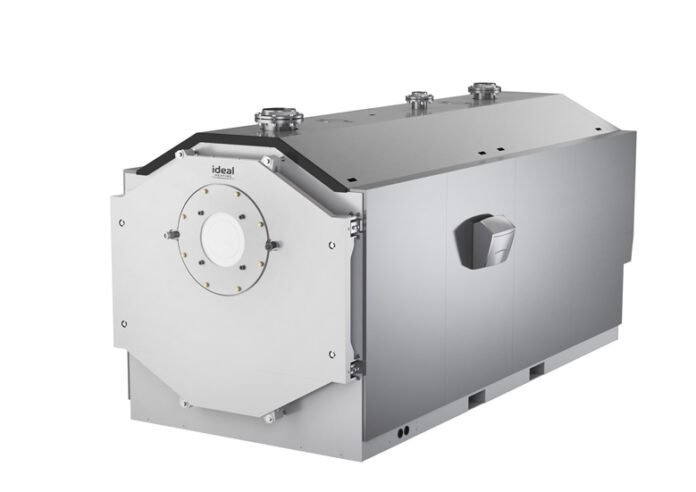
Ideal Heating โ€“ Commercial Products has announced the addition of four new models to its Evojet pressure jet boilers, extending the range output up to 3000kW. These new models join the existing Evojet range of condensing pressure jet boilers, with outputs starting from 150kW. This brings the range up to 14 boilers, all of which offer high efficiency through their condensing operation and modulation capabilities of the burners. 

The new floor standing condensing Evojet 3-pass pressure jet boilers are available with outputs of 1750kW, 2100kW, 2600kW and 3000kW for applications requiring either single or multiple boiler configurations. They are ideally suited to large public utility buildings including hospitals and leisure facilities, heat networks, plus substantial commercial applications, where they can provide a space saving alternative to larger cascades comprising smaller capacity boilers.

These latest Evojet pressure jet boilers feature a double return condensing system (connections for high or low temperature return water) which enables them to keep the temperature difference between the heat exchanger wall and the return water high, thus maximising the formation of condensation. This, combined with the 3-pass layout, the titanium stabilised stainless steel internal components and extensive insulation, combine to provide a high level of efficiency and reliability.

The new Evojet boilers are suited to use with multiple burner types for maximum flexibility, and modulation of the burner can be provided via 0-10 volt BMS or RWF controller. This allows the boilers to achieve compliance with the seasonal efficiency requirements of Building Regulations Part L Vol.2 2022, and MCPD in regard to NOx emissions.

A two year warranty comes as standard on all Evojet models.

For more information on Evojet from Ideal Heating โ€“ Commercial Products, visit idealcommercialboilers.com/products/evojet


This article appeared in the July/August 2024 issue of Energy Manager magazine. Subscribe here.

A third of NHS Trusts in England are still not measuring their carbon footprint, despite pledges to reach net-zero by 2040ย 

Image by Alfred Derks from Pixabay
  • One in three (31%) NHS Trusts in England do not have a clear roadmap in place to meet net-zero targets
  • A fifth (19%) of Trusts are still getting over 90% of their energy from fossil fuels 
  • This is despite NHS Englandโ€™s ambition to reach an 80% reduction in direct emissions by 2028-2032 

Almost a third (29%) of NHS Trusts in England are still not measuring their carbon footprint, according to Freedom of Information (FOI) data released by Schneider Electric, the leader in the digital transformation of energy management and automation.  

This is despite NHS Englandโ€™s goal to achieve net-zero for direct emissions by 2040 and a further pledge to reach an 80% reduction by 2028 – 2032.  

In light of this lack of measurement, itโ€™s unsurprising that the FOI request, which surveyed 58 Trusts, also discovered that one in three (31%) do not yet have a clear roadmap in place to reach net-zero targets.  

Investment in a greener NHS 

The data reveals that, years on from when NHS England set its net-zero targets in 2020, there have been some developments. In fact:  

  • 60% of Trusts have upgraded their building systems in an effort be more sustainable.  
  • Half (48%) have adopted technologies to help them monitor and optimise energy usage.  
  • One in five (19%) have even started implementing circular business practices. This could include the refurbishment and redistribution of certain medical equipment like mobility aids. 

Despite these efforts, there is still a long way to go. In fact, Schneider Electricโ€™s FOI highlights that one in five NHS Trusts still get over 90% of their energy from fossil fuels. This is in line with previous NHS data which revealed that it is responsible for around 4% of Englandโ€™s total carbon footprint and 40% of public sector emissions.  

The FOI also reveals that 67% of NHS Trusts have received some level of funding to spend on decarbonisation, suggesting that further improvements are underway. In terms of what this funding has been spent on so far: 

  • 40% have used it to install energy efficient technologies and equipment such as LED lighting and HVAC systems.  
  • One in three (34%) are spending it on upgrading heating, lighting and ventilation systems.  
  • A sixth (16%) are going down the renewable route, investing in solar panels and other sources of renewable energy.  
  • Only one in 10 (12%) are investing in training and awareness programmes. 

Kas Mohammed, Schneider Electric UK & Irelandโ€™s VP Digital Energy said: 

โ€œThe NHS is a symbol of national pride for many in the UK. However, it currently faces a significant challenge when it comes to energy consumption and costs. Significant changes need to happen in order to create the sustainable hospital buildings that will drive down energy costs and enable to NHS to meet its net-zero targets, without compromising on patient care. Investment in modern technologies and digital services could enable Trusts to retrofit their buildings and make the NHS more sustainable and resilient for the generations to come.โ€ 


This article appeared in the July/August 2024 issue of Energy Manager magazine. Subscribe here.

The power of clean energy: transforming health and the environment

Olivier Blum

Olivier Blum, EVP Energy Management Business, Schneider Electric

When considering the challenges we face globally, health and sustainability are never far from the top of the agenda. In fact, they are very closely linked. For every degree of global warming, our life expectancy will shrink by nearly six months, according to a 2024 study published in PLOS Climate. The same research notes that, between 2030 and 2050, climate change is expected to cause approximately 250,000 deaths annually. With such an intrinsic link between health and the environment, it becomes apparent that sustainable solutions donโ€™t just tackle the concerns of our planet, but its people too.

Health risks arenโ€™t just identified by life expectancy. The link between air quality and respiratory conditions has been well established โ€“ other links have been drawn to include stroke, ischemic heart disease, chronic obstructive pulmonary disease and lung cancer โ€“ whether through increases in blood pressure through the body working harder to lower core temperatures, or extreme heat rising heart rates and blood pressures. This list of conditions is only really the start and underscores the need for actions to improve the health of people and planet.

Decarbonization, the core of climate change mitigation, therefore also presents a solution to improve the worldโ€™s health. The combination of electrification and digitization, what we at Schneider Electric call Electricity 4.0, will improve public health, efficiency, resilience, accessibility and sustainability. This represents a transformative force that holds the key to a healthier and more sustainable future for both humanity and the planet.

It’s in the particles

At the heart of the matter lies air quality. We understand that poor air quality, exacerbated by fossil fuel combustion, poses significant risks to human health. But knowing about the problem hasnโ€™t been enough for us to solve it.

To really get to the core of the problem, we need to understand what causes poor air quality, and this is down to particle pollution. These particles come in varied sizes, with PM2.5 (particles with a diameter of 2.5 micrometers or smaller) being particularly concerning due to their ability to penetrate deep into the lungs and even enter the bloodstream. Sources of particle pollution include vehicle emissions, industrial processes and energy production and consumption. AI and IoT solutions can empower us to monitor air quality in real-time to provide more insights and details on how the situation is changing.

These issues can largely be solved by reducing reliance on combustion related activities. Simple switches to clean energy sources such as driving an electric vehicle can make an impact. Additionally, digital platforms facilitate the integration of renewable energy sources, enhance the efficiency of shipping through intelligent charging infrastructure, and offshore recharging. Hybrid cruise ships will be able to charge while at anchor offshore using power drawn from renewable sources including wind, solar and tidal, with our innovative project off the Orkney islands.  Another example is we can undertake process electrification to swap out blast furnaces for cleaner heat sources. By using clean energy sources and electrifying where possible, we can deliver around 75% of the actions needed to reach net zero.

Extreme weather

A further challenge we are increasingly witnessing with a warming planet is extreme weather events โ€“ and the risk to human health with these are apparent. Tragically, they are becoming increasingly frequent and severe due to climate change. From heatwaves and wildfires to hurricanes and floods, extreme weather events pose significant threats to public health and safety. Globally, the first half of 2024 has highlighted the extent of this problem with significant flooding in Brazil, Dubai and Pakistan. In addition, according to the National Centers for Environmental Information (NCEI), March 2024 saw 3,809 fires burning more than 1,400,000 acres in North America alone, which is roughly the size of the country of Luxembourg.

Electricity 4.0 isnโ€™t just about reducing the size and scale of these events; itโ€™s about making us more resilient in the face of them. Reducing wildfires will have a tangible impact on air quality which highlights how improving one area positively benefits another.

Integrating digital solutions as part of the planning and response to extreme weather events, powered by reliable clean energy can help protect from disaster too. Advanced weather monitoring systems provide early warnings, allowing communities to prepare and respond effectively. Integrated with smart infrastructure, these systems utilize an array of sensors to gather real-time data on weather patterns and environmental conditions. Employing predictive analytics, they forecast potential hazards and enable preemptive measures to mitigate the impacts of climate-induced disasters.

Treating the issues in front of us

Electricity 4.0 goes even further. It is a vehicle for democratizing access to energy resources, empowering communities to progress and thrive. Solutions such as microgrids are revolutionizing energy access, particularly in remote and underserved areas โ€“ increasing energy access for all. Beyond this, microgrids have been shown to support with disaster recovery. Weโ€™ve already seen some of the benefits Electricity 4.0 can have in a world of unprecedented weather events, but being able to restore power quickly means critical services can be back up and running.

And thatโ€™s only the start of how access to energy can be transformative for improving more than just the health of the planet. Reliable electricity supply is essential for critical infrastructure such as healthcare facilities, ensuring the availability of life-saving equipment, refrigeration for medicines, and lighting for surgeries and emergency services. By bridging the energy gap, electrification can be a key technology for supporting communities to reach their full potential.

Itโ€™s clear electrification and digitization are not just technological shifts or tick box exercises; they possess the power to transform lives. By harnessing the additional benefits clean energy can provide, we can address pressing environmental and public health challenges, through reducing air pollution, improving our buildings to reduce and adapt to natural disasters and to use it as a tool to enable all communities to invest in better healthcare provisions. These investments in sustainability and resilience not only benefit the present generation but also lay the foundation for a brighter and more equitable future for generations to come.


This article appeared in the July/August 2024 issue of Energy Manager magazine. Subscribe here.

New Ideal Heating ECOMOD CO2 Commercial Heat Pumps take customers one step further towards net zero

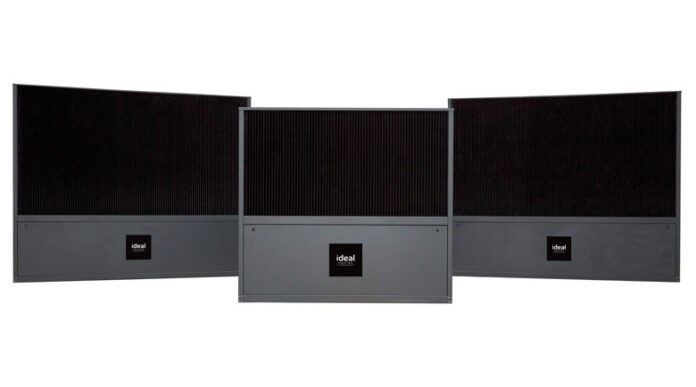
The new ECOMOD CO2 monobloc air source heat pumps form part of Ideal Heating Commercialโ€™s range of next generation natural refrigerant heat pumps released in 2024, featuring maximum flow temperatures up to 70ยฐC.

As the name implies, natural refrigerants are those that occur naturally, as opposed to synthetically made.  They have a low Global Warming Potential (GWP), making them the environmentally friendly option over their lifetime.  In the case of ECOMOD CO2, which uses R744 natural refrigerant, the GWP rating is just 1, making them the ideal choice for customers with net zero commitments. An ultra-low GWP is both good for the planet and the pocket as high GWP refrigerants will only increase in price as they become scarcer.

ECOMOD CO2 heat pumps come in three outputs – 65kW, 95kW and 130kW โ€“ with even higher outputs possible when installed in a cascade arrangement, where up to six can be centrally controlled, operating from an intelligent lead controller.  A high performing unit, they can operate at a design ambient temperature of -10โฐC, with a seasonal co-efficient of performance (CoP) rating of 3 or better.  Furthermore, ECOMOD CO2 can achieve high temperatures up to 70ยฐC, making them suitable for Domestic Hot Water (DHW) applications and district heating systems. 

ECOMOD CO2 heat pumps are quiet in operation, but for absolute minimal background noise, a further model in the range – the CO2Q – benefits from a quiet noise level as low as a 71dB(A) rating.

ECOMOD CO2 and ECOMOD 290HT form Ideal Heating Commercialโ€™s range of natural refrigerant heat pumps.  As with all ECOMOD heat pumps, they can be installed alongside other Ideal Heating commercial solutions, including the market-leading Evomax 2 and Imax Xtra 2 commercial condensing boilers, to build a low carbon hybrid heating system.

Ideal Heating delivers commercial heating solutions that are at the forefront of technology and developed in line with the latest market trends and legislation. For more information visit: idealcommercialboilers.com/products/ecomod-co2-co2q


This article appeared in the July/August 2024 issue of Energy Manager magazine. Subscribe here.