Emissions-free capability of HYTING’s hydrogen heating system confirmed through mobile measurement technology from Wöhler Technik GmbH

image ©AlexeyTestov_LR

Start-up hydrogen heating technology company HYTING has announced independent test results confirming that its technology produces no harmful emissions.

The assessments were carried out by the globally-operating emissions measurements specialist Wöhler Technik GmbH on a prototype of a hydrogen heating system developed by HYTING. The results show show that, unlike conventional combustion-based heaters, HYTING’s unique catalytic hydrogen heating system produces only water as a by-product and emits no detectable CO2-, CO- or NOx emissions. The measurements were performed using a mobile exhaust gas analyzer, the Wöhler A 550, which was specially equipped with H₂ analytics for these tests.

Receiving third-party validation of its hydrogen heating system is significant achievement for HYTING, and one which demonstrates the effectiveness of its proprietary technology, and its potential for playing a major role in decarbonising heating of commercial and residential buildings – a challenge that the European Environment Agency recognises as critical1.

Tim Hannig, Founder and Managing Director of HYTING, said: “We greatly appreciate the support and expertise of Wöhler Technik in measuring the quality of our catalytic reaction. Receiving confirmation from Wöhler that our technology operates emissions-free reinforces our development work.”

“As a technology-oriented company focused on environmental measurement technology, we’re pleased to support the development of innovative solutions in heating technology from the outset and to confirm the safety and reliability of operations through our measurements. The flameless and emissions-free application of hydrogen offers tremendous potential and the opportunity to meaningfully expand the range of sustainable heating solutions.” said Dr. Michael Poeplau, CEO of Wöhler GmbH.

The test results highlight the efficacy of HYTING’s simple, safe, efficient, and clean method of generating heat directly from hydrogen. The system uses the principle of flameless oxidation to generate heat. In a specially developed catalyst, hydrogen reacts with oxygen from the air, releasing heat. No harmful emissions are produced; water is the only by-product. As no flammable hydrogen concentrations are used at any operating point, it is inherently safe and easy to integrate both as a retrofit solution and into new-builds.

The technology is as robust and cost-effective as it is innovative because it uses many proven, existing components from the heating and automotive industries. It’s also modular and highly scalable in design, with outputs of 10-300 kW, enabling it to be configured for a wide range of different applications, including industrial, commercial, and residential buildings, process heat, and commercial vehicle heating systems.

HYTING already has a first customer – Flusys GmbH – with installation and commissioning taking place in early 2025 at Flusys’ newly-established production facility for precision pumps in Offenbach, Germany. The 1,000 cubic-meter production space will be heated using hydrogen from a nearby supplier. 

HYTING and Wöhler Technik have decided to continue working together in the future. Wöhler Technik will further support HYTING in the series development of the hydrogen heating system with its measurement technology.

1 https://www.eea.europa.eu/publications/decarbonisation-heating-and-cooling

The untapped basics of energy efficiency for financial and environmental sustainability

Timothy Holman

Achieving net zero can be a daunting and confusing journey. Timothy Holman, Head of Consultancy at TEAM Energy, outlines how getting the basics of energy efficiency right can help reduce emissions and support the bottom line.

Organisations in the UK face growing pressure to meet net zero targets. Only a relative few have dedicated sustainability professionals, with emissions reductions being tagged on to the job description of energy, facilities, or other managers. As a result, many organisations aren’t clear on what’s required for net zero and mistakenly believe they can simply offset their emissions.

This common misunderstanding isn’t aligned with guidance from bodies like the Science Based Targets Initiative (SBTi) which require organisations to first reduce at least 90% of their emissions, then only offset the last 10% to reach net zero. Reaching the 90% reduction can be daunting and expensive, though. Solutions such as user-owned renewable generation require a lot of capital upfront, expert knowledge, and for some organisations they don’t payback their costs fast enough.

Energy efficiency, however, has some of the greatest potential to make the biggest impact on organisations’ emissions, energy use, and costs in the shortest amount of time.

Energy efficiency basics

According to the International Energy Authority (IEA), over the last two decades, global energy efficiency measures have halved the amount of carbon emissions that would have otherwise been released due to population and income growth. Between 2000 and 2022 alone, energy efficiency measures have helped reduce the energy intensity in buildings and transport by 35% globally.

Increasing the energy efficiency of your organisation begins with an energy and site audit. Understanding your buildings, assets, and energy usage will help baseline your starting position. From here you can set out a longer-term strategy, alongside the practical improvements to realise that strategy.

Many organisations haven’t done the basics of energy efficiency improvements, which means each one has a wealth of untapped potential for carbon reductions and energy savings. For example, upgrading to energy efficient lighting systems, adjusting HVAC tolerances, or improving insulation can make a substantial difference for many organisations.

Crucially, for larger organisations in the UK, an audit and action plan can contribute to your legally required Energy Savings Opportunity Scheme (ESOS) reporting too. This will prevent your organisation falling short at the eleventh hour and will ensure that you benefit from your energy efficiency measures sooner rather than later.

Reducing your emissions

Energy efficiency will reduce your emissions directly and decrease the amount of greenhouse gases (GHGs) you must offset if you are trying to achieve net zero or be carbon neutral. For example, after auditing a campus of buildings and implementing new efficiency measures, such as widening the temperature range of your office spaces, your overall energy use will decrease and bring down your emissions. This means when it comes to offsetting there is less to offset, which comes with cost-savings benefits too.

Decreasing your overall emissions is a net benefit to both your organisation and stakeholders. The whole of society is invested in the total reduction of carbon emissions, and you are playing an integral part in reducing total emissions for everyone with energy efficiency measures. This isn’t just the right thing to do, it’s also proof that your organisation is helping society at large.

The financial benefits of energy efficiency

Energy efficiency is financially beneficial, and we can’t lose sight of that when talking about net zero and sustainability.

Energy costs can be high, especially in uncertain times when prices are volatile. Efficiency measures can counteract this by reducing the amount of energy that your organisation unintentionally wastes. For example, by investing in insulation in your buildings, you can quite literally stop energy leaking through poor thermal barriers. Your efficiency audit will help identify these areas and stop you wasting potentially large sums of money.

The same measures will also reduce the energy intensity of your operations, letting you carry out the same tasks and functions using less energy. This is the foundation of energy efficiency and has long been a key metric for operational improvement. By improving your organisation’s efficiency, you can do more with the same kilowatt hour.

In a competitive climate, this ability to effectively increase your output without increasing energy consumption allows your organisation to be more flexible with pricing too. In some sectors, the relationship between energy used and the product or commodity created is more direct. However, even in service sectors, prices can become more competitive when operational costs reduce. Combining this with your organisation’s emissions reductions creates a compelling differentiator for price-conscious and environmentally conscious customers.

As mentioned above, efficiency reduces the amount of emissions you must offset, which has substantial cost savings features. Organisations aiming for net zero must meet the 90% goal, but others striving for the interim goal of becoming carbon neutral may find energy efficiency to be cheaper than purchasing carbon credits to offset your emissions.

Starting on the basics

The speed of change required for net zero may leave you dizzy. But focusing on the basics of energy efficiency is a practical way to make headway to reaching your emissions and energy savings goals. In the process it will reduce your energy bills and make your net zero transition more cost-effective. Get in touch with TEAM Energy to start auditing your estate and realising your efficiency goals.

New £1bn low carbon heating infrastructure project unveiled in Westminster

Iconic London buildings in the heart of the capital to be heated by new low carbon heat network, expected to create 500 jobs and save 75,000 tonnes of CO2 every year.

Just days after the UK Government revealed an Autumn Budget that included significant infrastructure investment plans, a new £1bn low-carbon infrastructure project has been launched in Westminster, signifying a major step towards driving investment and creating well-paid, secure jobs.  

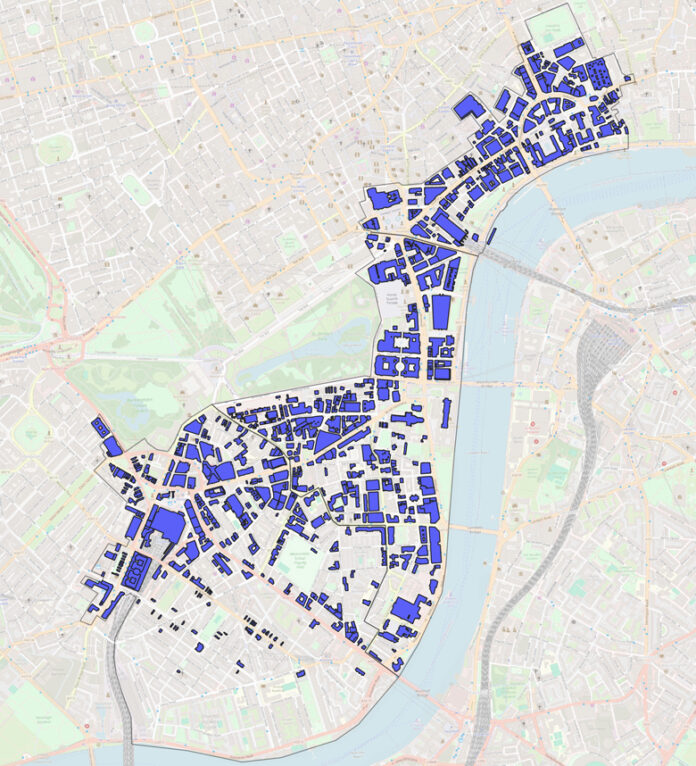
Unveiled today, this large new heat network in Westminster will become one of the UK’s first ‘heat network zones’ – places where heat networks are the cheapest and best way to decarbonise compared to each building having its own air source heat pump. On average, heat networks are 40% cheaper for customers than building level heat pumps.   

The heat network will supply low carbon heating, sourced from within the local area. The heat will need to come from innovative sources such as the London Underground, the Thames, and the sewer network. It might even be brought down the river on barges.  

One of the core benefits of heat networks, is the ability to harness waste heat from within the local area and make use of it. This makes them low carbon, efficient and resilient, not relying on imported fuel.  

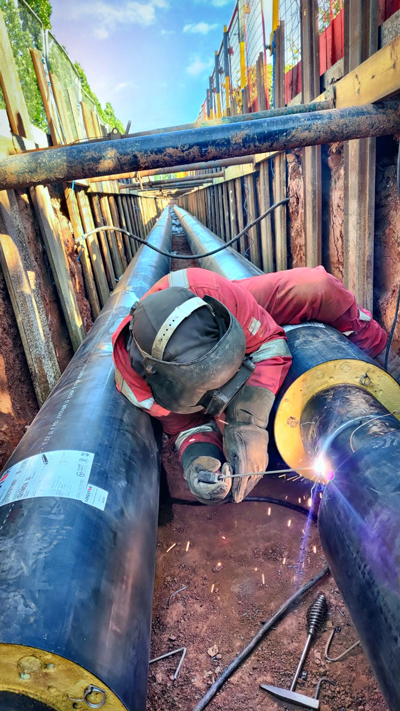
Heat will then be distributed via a network of underground, insulated pipes filled with hot water. The zone will stretch from around Victoria Station, up to Temple Underground Station near the Strand, bounded by St James’ Park.  

Over time, this significant new investment is expected to save 75,000 tonnes of CO2 every year, (equivalent to removing 40,000 cars from the road), create 500 jobs, improve local air quality by reducing nitrogen oxides emissions by 99%, and create 100 opportunities for UK businesses.  

The South Westminster Area Network (SWAN) was brought to life by the Department for Energy Security and Net Zero, and Westminster City Council. To deliver the network, they have brought in the SWAN Partnership, a joint venture between Hemiko and Vital Energi, two of the leading heat networks developers in the UK, who were appointed last month. London Heritage Quarter and AECOM have also been key partners, supporting the network’s growth. 

The SWAN Partnership will be funding, building and operating the heat network. They plan to invest £100m within 3 years, £500m within 10 years, and £1bn by 2050 into what will become one of the UK’s biggest heat networks.  

SWAN reflects a currently unparalleled scale of ambition for growth and investment into heat networks, but it is something that the government wants to replicate in zones across the country.  

By 2050, every major town and city is expected to need district heat networks, requiring over £100bn of private investment and 290k new jobs in total. 

It is not yet known who will join up to this heat network, but Project SWAN could serve landmark buildings like the Houses of Parliament and the National Gallery, alongside buildings owned by Westminster City Council and the Government.  

Businesses are being encouraged to register their interest in joining the network, by emailing SWAN@hemiko.com. First movers are needed to unlock this least cost decarbonisation pathway and the jobs that come with it, for the benefit of everyone in Westminster. The more who join up, the cheaper it is for everyone. 

From start to finish, it took just 4 months from launching the competitive process to signing the contract for SWAN and beginning the development work, five times faster than most procurement exercises run to date.  

This new procurement approach for heat networks is expected to speed up the delivery of heat networks, to decarbonise the UK faster, and create a more investable heat networks market. This model, and variations of it, is expected to be replicated by at least 7 projects across the country within the next year alone, with more thereafter.  

Construction of SWAN is due to start in 2026. 

Miatta Fahnbulleh, Minister for Energy Consumers at the Department for Energy Security and Net Zero, said: 

“Taking waste heat from the River Thames and London Underground to heat such iconic places as the Houses of Parliament and the National Gallery is a really exciting example of what lies ahead on our journey to low-cost, low-carbon heating. 

“This project will help support hundreds of jobs and make bold new strides towards boosting our energy security, as one of seven heat network zones we’re backing with over £5million funding.” 

Cllr Adam Hug, Leader of Westminster City Council, said: 

“It is fantastic to see that the South Westminster Area Network (SWAN) has taken this critical step forward. The council has been actively supporting the Government through the early stages of this pioneering network and will now take on a principal role to ensure that the project delivers the best outcomes for our residents and businesses.  

“We know that the gas used to heat and power buildings is one of the biggest contributors to both carbon emissions and air pollution in Westminster. However, these new low-carbon district heat networks will tap into local waste heat sources, delivering clean and affordable energy to those who need it most. The SWAN project will be a crucial piece of our net zero carbon journey in Westminster, leading the way for others and showing what a positive clean energy future could look like.” 

Toby Heysham, CEO of Hemiko and spokesperson for SWAN, said: 

“Using heat from the iconic River Thames and London Underground to heat some of the capital’s most famous buildings is a true story of pro-growth, circular economy in London.  

“Heat networks are the next big utility in the UK, and we are investing £1bn over the next 6 years into networks that will allow local people and businesses to make use of locally wasted heat. We strive to embed ourselves in the local community, understanding the pressures and opportunities in the area, and figuring out how we can help, such as bringing high-quality green jobs and supply chain opportunities. 

“This network will be the flagship network in the UK, the first new zonal scale network in a market that offers an investment potential the size of the UK offshore wind industry. Steps like this show that the UK heat networks market is open for business.” 

Nick Gosling, Chief Strategy Officer of Vital Energi and spokesperson for SWAN, said: 

“Heat networks are the most cost-effective way to decarbonise our densely populated cities. The Government’s heat network zoning regulations, introduced last year as part of the Energy Act, have now created the right market conditions for private sector investment.   

“By combining Hemiko’s investment capabilities with Vital Energi’s comprehensive expertise in designing, building, operating and owning energy infrastructure, the SWAN Partnership will deliver the first zonal scale heat network and demonstrate a model that other towns and cities will seek to replicate.” 

Ruth Duston OBE, OC, CEO at London Heritage Quarter, said: 

“The South Westminster Area Network partnership represents a transformative milestone in our progress toward a net-zero future, both for London and the entire UK. It’s an ambitious project that demonstrates our commitment to supporting the delivery of green energy while creating jobs and boosting the local economy. 

“Located in London Heritage Quarter, this project has the potential to provide heat to some of the capital’s most iconic landmarks, including the Houses of Parliament and the National Gallery, helping to reduce costs, minimise CO₂ emissions, and make meaningful strides toward the UK’s Net Zero goals. By working with our partners to support implementing SWAN, we’re establishing an affordable, low-carbon energy network that will benefit communities and serve as a blueprint for towns and cities across the UK, helping shape a sustainable energy landscape for years to come.” 

Channa Karunaratne, Head of Heat Networks at AECOM, said: 

“Heat networks are crucial to the UK’s energy transition. We need to move away from fossil fuels, work towards energy independence and enable growth in our buildings and places, and heat networks are a vital part of the solution. They will not only help the UK reach its 2050 net zero target, providing homes and businesses with low-carbon heat, but also provide other vital benefits like improved air quality to our communities.    

“The size and ambition of SWAN demonstrates how to drive decarbonisation at a city-scale, and it is a trailblazer for how our cities can operate more sustainability. Westminster is one of the most recognisable locations in the world and through SWAN, the political engine of the UK is going to be supplied almost entirely with low-carbon heat for the first time.    

“Since SWAN’s inception, we’ve worked in partnership with DESNZ to commercialise the scheme and accelerate private investment. Reaching today’s milestone with the appointment of Hemiko and Vital Energi is a proud moment for our team and an important step forward for this ambitious project that is helping to secure a low-carbon future for London.”  

Making data-led operations a digital reality

Jim Hietala

By Jim Hietala, Vice President, Sustainability and Market Development for The Open Group

The energy industry has always been a fundamentally information-driven environment.

The industry reached a point very early in its existence where substantial investment was needed for new ventures, and profits were anticipated over several decades. As such, analyzing precisely where and how to establish new operations is an existential requirement. Errors throughout the discovery process have serious repercussions that might range from restricting potential profitability to posing intolerable safety issues.

In other words, the industry has relied on big data since well before ‘big data’ became a term of art, and therefore invested heavily into it. By the time cloud computing emerged as a commodified option that businesses in any industry could access, those in energy had been working for a long time with that size of dataset using very mature methodologies.

The introduction of cloud computing represents a significant potential for the industry to approach that workflow differently. Greater speed, agility, and efficiency in analytical workflows are highly desirable in today’s data-driven industry. However, achieving these goals is challenging due to legacy methods of working that have developed over time and may conflict with one another within departments or even between businesses collaborating with one another.

The transformational power of AI

The world has become aware of a significant change in the way organizations operate due to artificial intelligence’s continuous advancements and versatility. For the energy industry, it could prove to be a vital enabler for a range of needs, from efficiently querying the vast amounts of information that operations generate, to more effectively testing actual conditions against modeled assumptions, to uncovering more optimized approaches to new exploration.

The quality of new AI applications – and, of course, the quality of all similarly data-driven tools – is dependent on the quality of the data going into them. Every industry faces this challenge differently, but for the energy industry that long history of intensive information management work, stemming from a pre-digital era and spanning a diverse range of tools developed in different places, makes it a particular hurdle.

A prerequisite to the use of AI in energy is that the data, be it exploration, production, or emissions data be well structured and consistent. Standards efforts in The Open Group OSDU Forum, Open Footprint Forum, Energistics Consortium and other standards organizations are helping drive consistent data standards enabling productive use of AI.

Industry collaboration

Working in a collaboratively structured environment means that stakeholders can share insight and expertise in a pragmatic, applicable way, and thereby modernize legacy applications in a more efficient, achievable way. Collaboration among energy stakeholders is essential for laying the groundwork for the next phase of transformation, especially as AI capabilities become increasingly operationalized in the industry. 

Energy companies are increasingly establishing formal partnerships and relationships with diverse stakeholders to augment their AI capabilities. This collaborative ecosystem typically includes computing infrastructure providers, platform vendors, technology startups and academic institutions. By bringing together expertise from both within and outside the industry, energy companies can accelerate the development and adoption of AI solutions. This cross-pollination of ideas and technologies is essential for driving innovation and addressing complex challenges in the energy sector.

Addressing interoperability challenges

One of the key challenges in digital transformation is ensuring that new AI-driven approaches work together efficiently, with minimal friction in data flow. Collaboration is critical to achieving interoperability. Industry-wide collaboration on data standards and protocols can ensure that AI systems from different vendors and stakeholders can communicate seamlessly. Whilst the sharing of non-sensitive data across the industry can improve the quality and diversity of datasets used to train AI models, leading to more robust and generalizable solutions.

Addressing industry-wide challenges

Collaboration is essential for tackling broader challenges that impact the entire energy sector, for example a significant skills gap in AI and data science. Collaborative initiatives between companies, educational institutions, and governments are crucial for developing digital training courses and upskilling the existing workforce.

As AI becomes more prevalent, its energy consumption is a growing concern. Industry-wide collaboration is needed to develop and prioritize energy-efficient computing infrastructure and AI algorithms. Simultaneously addressing the risks associated with AI, such as cybersecurity threats and privacy concerns, requires a coordinated effort across the industry to develop best practices and security standards.

The energy industry is also a context where getting this right is, relatively, more critical than in most sectors. This comes back to the nature of data’s contribution to the industry’s processes. While there are situations where occasional errors, such as hallucinations in the case of generative AI, are an acceptable manageable risk, the data analysis that the energy industry relies upon is a critical input for profitability, and potentially safety, which has long-term consequences.

Sustainability maintained: a new approach to more efficient operations

Outdated, out of condition electrical assets are a drag on uptime and profitability. ABB’s Lee Todd argues that proactive equipment maintenance strategies pay significant dividends, minimizing the risk of lost production while contributing to organizations’ goals for greater energy efficiency and sustainability.

Unplanned downtime isn’t just an inconvenience. If an electrical fault halts production, its impact on revenues is immediate. Unscheduled outages can also have further-reaching consequences, from penalties for missed production targets to a tarnished brand reputation that’s hard to brush off.

Electrical infrastructures may provide few obvious signs before a component or system fails. A tripped circuit breaker can be the first sign of underlying trouble. But it often reveals little about the root cause, its location, or the most appropriate course of action to rectify things before a minor issue blows up into a much more expensive and costly problem.

No operations manager or plant owner welcomes the prospect of unscheduled downtime. The most common approach to reducing the risks of electrical failure is through regular maintenance schedules where inspections are conducted at defined intervals. A passed test means that a particular component is assumed to be in good health, requiring no further intervention until its next inspection months or years later.

Depending on the chosen maintenance regime, a component is often taken out of service and replaced according to a prescribed schedule that’s based on its assumed working lifespan. Regardless of actual condition, this means that perfectly serviceable parts are routinely thrown out or recycled. This schedule-driven ‘rip and replace’ approach is an expensive and unnecessary use of maintenance staff resources. Equally, it sees costly equipment being needlessly consigned to landfill when organizations are under pressure to demonstrate more sustainable operations with less use of natural resources and minimized waste.

This reactive, time-based approach to maintenance also feels increasingly out of step with the challenges of modern plant operations. Electrical systems are becoming more complex and harder to manage. And in an era of increased process automation with smarter connected devices and data-driven applications to optimize plant operations, the importance of keeping critical electrical systems in peak condition is more vital than ever.

Organizations are facing increased scrutiny from customers, shareholders and regulators to demonstrate increased sustainability and circularity in all aspects of their business operations. The response of many companies is an effort to decarbonize by shifting away from their past reliance on fossil fuels as a source of electrical energy. Switching to greener power is typically accompanied by initiatives to realize across-the-board efficiency improvements, affording a welcome reduction in electricity bills at a time of continuing global fluctuation in energy prices.

An increasingly popular option for many organizations is the installation of their own generating capability on site. Falling installation costs of ‘home grown’ wind and solar capacity give organizations greater control over their own energy security plus the opportunity for significant cost savings. The successful integration of renewable generation capacity on site, however, brings its own challenges. An ABB survey in 2023 confirmed that many organizations are struggling to manage and maintain increasingly complex and unwieldy electrical infrastructures. What’s more, a chronic shortage of engineering talent means that businesses are struggling to attract and retain suitably skilled staff to operate and adequately maintain equipment. Continual advances in electrification technology are bringing steady improvements in efficiency and reliability. However the skills and experience needed to stay abreast of evolving working practices and safety standards means that many organizations are permanently in catch-up mode to ensure compliance with latest legislation while maintaining production and keeping staff safe.

At a time of unprecedented market competition and geopolitical uncertainty, the need for industrial organizations to optimize the health, reliability, performance and energy efficiency of their electrical systems has never been greater. The cost of achieving these goals, however, can deter companies from paying adequate attention to the care and maintenance of their critical electrical assets. Responding to this need, an experienced partner such as ABB can help shoulder the burden on over-stretched plant owners, operations managers and maintenance teams.

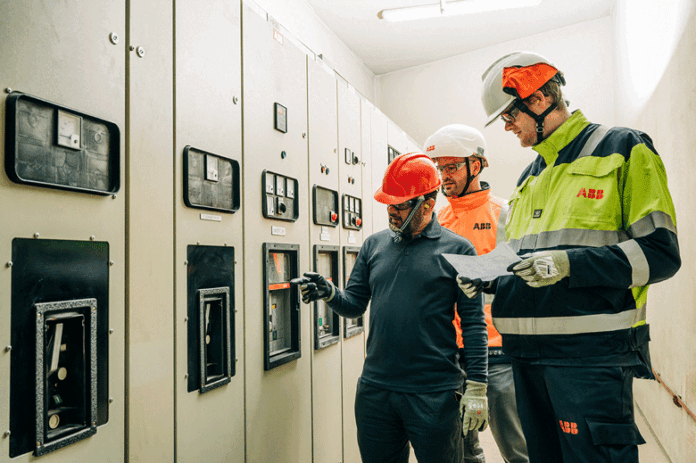
We can help with strategies and practical help to care for and optimize your precious electrical infrastructure. Modernization programs and retrofits breathe new life into decades-old equipment, improving its reliability, safety and energy efficiency. We can also audit the health and condition of all your electrical systems, looking for opportunities to optimize their performance and working life in line with your wider operational and business objectives. And with digital services like remote monitoring we can keep a close eye on the status of individual assets. Using AI-driven analytics we can spot anomalous behaviors to drive proactive maintenance that anticipates costly problems rather than reacting to them – keeping your systems in peak condition and mitigating the risks of unplanned downtime that few organizations can afford.

https://global.abb/group/en/sustainability

Three more projects receive £9.8m from the Heat Networks Investment Project.

We announce the remaining three projects which were successful under the Heat Networks Investment Project (HNIP) delivered by Triple Point Heat Networks Investment Management. Gateshead Council, the London Borough of Islington, and E.ON secured a share of £9.8 million to advance their heat network projects.

Launched in 2018, the HNIP provided £304 million in grants and loans to support the development of heat networks across England and Wales. By the time the scheme closed in 2022, it had established the foundations on which today’s market growth is being built. The projects funded under the HNIP will supply over 700 GWh of lower carbon heat and cut more than 81,000 tonnes of carbon emissions[1].

This final announcement of successful awards represents a crucial milestone in the journey toward cleaner, more efficient energy solutions for communities across the country.

  • In Gateshead, an extension to an existing heat network funded in Round 3 of HNIP will connect an additional 1,250 new homes using geothermal heat from a mine water heat pump.
  • In Islington, an innovative solution harnessing waste heat from local London Underground stations has received funding to connect the project to a new mixed-use development.
  • The Silvertown Quays development in East London will benefit from a pioneering energy network that will deliver low carbon heating and cooling to 6,500 new homes.

Ken Hunnisett, Programme Director for Triple Point Heat Networks Investment Management, said:

“During four extraordinary years, the HNIP unlocked projects of a scale and variety that could hardly have been imagined when it launched in 2018. It’s testament to the ambition and determination of the fund’s beneficiaries and the agility and capacity of a growing industry that many of those investee networks are already delivering affordable, low carbon heating and cooling to the communities they serve. Today’s announcement is an opportunity to shine a light on the unique role heat networks play in harnessing different sources of locally occurring waste or renewable heat and contributing to the UK’s net zero future in the most cost-effective way.”

Gateshead Council

Gateshead Council has been awarded £2.9 from HNIP to extend the initial Gateshead District Energy Scheme, allowing for further connections to social housing properties. Gateshead Council was originally awarded funding in Round 3 of HNIP to conduct their first major expansion of the heat network westward to four Council buildings, a care home and up to 1,250 new private homes. This was also alongside major decarbonisation of the network by the installation of a 6MW mine water heat pump.

The second grant will help the council to extend the existing Gateshead District Energy Scheme further into low rise social housing estates and bring the council closer to reaching their targets detailed within their Zero Carbon Heat Strategy to connect 15,000 Council Homes to the network by 2030.  

The funding will aid the installation of further pipework to provide over 19,000 tonnes of heat over 15 years to 550 Council homes, as well as an extra care facility and a church.

Jim Gillon, Service Director for Energy and Design, said:

“We are proud of the success our heat network has achieved to date, providing low carbon heat to over 300 high rise homes and more than 20 private and public sector buildings.

“Now this HNIP funding has given us the opportunity to expand the network further, to an existing low rise housing estate. Soon all these new residents will be getting the benefits of being part of our heat network.”

E.ON

The Silvertown Quays urban redevelopment in East London has been awarded £6.3 million from HNIP for the development of an innovative heat network using E.ON’s ectogrid™ technology. The project is aiming to help contribute to London’s ambitious climate goals and allows buildings to self-generate and manage their own heating and cooling demands through decentralised heat pumps and cooling machines. 

The technology allows for excess heat produced by individual buildings to be fed to alternative connections according to need, enabling the sharing, balancing and storage of heat and cooling to drastically reduce energy consumption.   

The funding provided will aid the construction of the network, installation of decentralised heat pumps and chillers for heating and cooling, as well as connections to the network and smart tools.  

Chris Norbury, Chief Executive of E.ON UK, said:

“Silvertown is a huge milestone for UK developments as this is the first ectogrid™ for Britain. It’s fantastic we can bring this to life in such an iconic redevelopment area as the Royal Docks. This is yet another example of E.ON stepping up as playmaker in the energy transition and investing at scale in the UK’s energy future.”

Islington Council

Islington Council has been awarded £678,000 for their Bunhill Heat and Power Network (BHPN). The network was launched in 2012 to provide greener heat for local homes, schools and leisure centres, with an additional energy centre beginning construction in 2017 adding more expansive connectivity. Funding provided will help to expand Bunhill Heat Network to reach the district’s multi-use ‘City Forum’, consisting of 1,000 homes, a retail space and hotel, as well as Telfer House – a new council-owned block of 38 flats.

The council has been developing these plans as part of their heat masterplan since 2014, with discussions around proposed connectivity to City Forum expected to conclude in the near future. This will be delivered in collaboration with existing funding from the HNIP, covering part of the construction costs involved with the new projects.  The new proposed connections are expected to generate carbon savings of over 1,100 tonnes CO2 per year, with funding covering construction and other administrative costs.

The Bunhill Heat and Power Network (BHPN) is currently the first scheme in the world to take waste heat from underground train networks for use in homes schools and leisure facilities, with new funding made available through the HNIP scheme rapidly boosting expansion and further improving Islington Council’s carbon footprint.

For more information about Triple Point Heat Networks Investment Management, applying for GHNF support, successful projects under GHNF and HNIP, and BHIVE, visit: www.tp-heatnetworks.org.

When you need hot water, right now – who yer gonna call? Rinnai – of course

Rinnai’s N Series installed on site at one of world’s biggest manufacturers of boilers, heat pumps and heating appliances

https://www.rinnai-uk.co.uk/contact-us/help-me-choose-product

Consider this: You’re a plumbing & heating contractor and you get a job installing a new hot water delivery system on the premises of one of the world’s biggest manufacturers of commercial & domestic heating products, heat pumps and all associated heating appliances. The question is this – who’s product are you going to make the centre piece of the installation, purely for Practical, Economic and Technical reasons?

So, who yer gonna call?

Well, it must be Rinnai. The aforementioned major international brand that manufactures energy products and systems now has a Rinnai N1300i Lo NOx Condensing Water Heaters in their staff washroom facilities at one of their sites in Europe.

Rinnai hot water heaters are installed at almost every single Premier League club in the UK, as well as the iconic and fabled Maracana Stadium in Rio de Janeiro. The units are in all other types of stadia, stately homes, cutting-edge London hotels, university accommodation blocks, off-grid developments like Highland lodges of Scotland – anywhere and everywhere that needs continuous flow hot water that is performance maximized to produce the most energy efficient and low carbon footprint results.

Rinnai N series units contain stainless-steel primary heat exchangers that increase product durability and provide a market leading warranty of up to 12 years. Low-NOx  burner technology futureproofs Rinnai continuous flow water heaters through the utilisation of patented advanced burner technologies.

The 13-1 turndown ratio – the largest available on the market – means it maintains an extremely quiet product operation. A powerful fan motor allows for longer flue runs to be achieved, as well as a built-in flue damper that Increases the flexibility of appliance flueing options. Any number of Rinnai water heaters can be cascaded to supply the greatest hot water demand.

The contractor is reported to have said about his choice of hot water units –

“When you want to get it right, it has to be Rinnai”.

************************************************************************

RINNAI OFFERS CLEAR PATHWAYS TO LOWER CARBON ANDDECARBONISATION PLUS CUSTOMER COST REDUCTIONS FOR COMMERCIAL, DOMESTIC AND OFF-GRID HEATING & HOT WATER DELIVERY

www.rinnai-uk.co.uk/about us/H3

  • Rinnai’s range of decarbonising products – H1/H2/H3 – consists of hot water heating units in gas/BioLPG/DME, hydrogen ready units, electric instantaneous hot water heaters, electric storage cylinders and buffer vessels, a comprehensive range of heat pumps, solar, hydrogen-ready or natural gas in any configuration of hybrid formats for either residential or commercial applications. Rinnai’s H1/2/3 range of products and systems offer contractors, consultants and end users a range of efficient, robust and affordable low carbon/decarbonising appliances which create practical, economic and technically feasible solutions. 
  • Rinnai is a world leading manufacturer of hot water heaters and produces over two million units a year, operating on each of the five continents. The brand has gained an established reputation for producing products that offer high performance, cost efficiency and extended working lives. 
  • Rinnai products are UKCA certified, A-rated water efficiency, accessed through multiple fuel options and are available for purchase 24/7, 365 days a year. Any unit can be delivered to any UK site within 24 hours.
  • Rinnai offer carbon and cost comparison services that will calculate financial, and carbon savings made when investing in a Rinnai system. Rinnai also provide a system design service that will suggest an appropriate system for the property in question.
  • Rinnai offer comprehensive training courses and technical support in all aspects of the water heating industry including detailed CPD’s.
  • The Rinnai range covers all forms of fuels and appliances currently available – electric, gas, hydrogen, BioLPG, DME solar thermal, low GWP heat pumps and electric water heaters More information can be found on Rinnai’s website and its “Help Me Choose” webpage. 

RINNAI FULL PRODUCT AVAILABILITY 24/7 FOR NEXT DAY DELIVERY of ALL HOT WATER HEATING UNIT MODELS INCLUDING 48-58kW UNITS-

SAVINGS OF

20% REDUCTION of opex cost,

30% REDUCTION of initial cost

15% REDUCTION in carbon

75% REDUCTION of space

Visit www.rinnai-uk.co.uk  Or email engineer@rinaiuk.com  

For more information on the RINNAI product range visit www.rinnaiuk.com

Batteries Set to be Key Technology for Manufacturers Following Government Green Paper

With the UK Government launching a new green paper opening up consultation on what the next decade of industry will look like, Aggreko believes batteries could be the key to meeting targets and helping the industry to move away from fossil fuels without compromising on growth.

The new green paper Invest 2035: The UK’s Modern Industrial Strategy”opens up discussions on government strategy for the next 10 years, in an effort to help drive growth throughout various industrial sectors. One of the key areas identified in the paper is advanced manufacturing, which is listed one of eight important sectors, with the industry seen as critical to achieving clean energy targets.

According to the report, clean energy industries will also be essential to reducing national dependence on fossil fuels and improving energy security. Accelerating this transition is crucial to meeting these goals; however, many businesses currently cite a lack of timely grid connections as a significant barrier to progress, as stated in Aggreko’s report,The Race to Resilience’.

With these goals in mind, Aggreko believes that this green paper is setting batteries up to be a key technology over the next 10 years. With grid infrastructure lagging behind, using Battery Energy Storage Systems (BESS) could be key towards allowing growth alongside helping to transition towards more sustainable fuels.

Ruth Martin, Manufacturing Sector Manager for Aggreko UK & Ireland, believes that by adopting more sustainable technologies, businesses can realise substantial benefits while committing to more sustainable practices. “Batteries are key to giving manufacturers the guarantees that growth and sustainability goals won’t be slowed down, even while grid infrastructure lags behind,” said Ruth, adding, “Providing a green solution to bridge the gap in the meantime is essential to meeting government goals, as businesses could be waiting up to 10 years for a reliable grid connection at present. This could have huge consequences for the manufacturing industry, especially if the government is marking it as a key area for growth.”

BESS systems offer a modular and scalable energy solution that can be used in partnership with a sustainably fuelled generator to help bridge the energy gap. With manufacturing set to be at the forefront of the Government’s goals, making sure that businesses are given the tools to perform as effectively as possible should be a top priority.

Ruth concluded: “Battery Energy Storage Systems should be at the top of the Government’s agenda because they are critical for ensuring energy security, supporting renewable energy integration, and reducing reliance on fossil fuels. As we transition to a greener economy, BESS will play a pivotal role in stabilising the grid, managing peak demand, and enabling a more resilient and sustainable energy infrastructure.”

To learn more about Aggreko’s range of BESS solutions, CLICK HERE.

Optimism bias is risking Net Zero progress within UK organisations – new research from Equity Energies.

There is a disconnect between organisational confidence and the ability to deliver on decarbonisation commitments within organisations, which threatens to undermine the collective ambition of reaching Net Zero by 2050, reveals new research from Equity Energies, part of DCC plc.  

This is according to its recent study, Carbon Admissions: We don’t know what we don’t know, which explores attitudes and sentiment to advancing progress on Net Zero across multi-sector organisations spanning hospitality, manufacturing, local authority and private healthcare.  

Positive outlook 

Positively, 94% of organisations say that Net Zero is a priority within their organisation compared to other initiatives. Moreover, there are high levels of optimism and confidence reported by those tasked with advancing Net Zero, with 92% saying they were confident in their ability to implement and roll-out their Net Zero pathway within their organisation, and 94% saying they are confident that key stakeholders and decision-makers within their organisation have sufficient knowledge of Net Zero and how to get there.  

Furthermore, 91% feel confident in their own knowledge of Net Zero and how to achieve it, and 89% say they are confident in the ability of their organisation to be Net Zero in line with the UK Government commitment of 2050, with 87% also indicating confidence in the commitment and leadership of the current UK Government in achieving this target.

Optimism bias 

However, this perceived confidence is misaligned with reality which is creating optimism bias – an overestimation of the likelihood of a positive outcome. Underpinning sustainability ambitions are gaps in expertise, with the overwhelming majority of respondents (98%) admitting they lack knowledge in fundamental and foundational processes required to advance Net Zero. Such shortcomings will create ambiguity including around starting positions, target setting and ongoing monitoring and measurement of decarbonisation initiatives.  

The areas of greatest concern relating to lack of knowledge are;     

  • Monitoring and measurement (19.2%)  
  • Target setting (19%)  
  • Baselining and benchmarking (16.8%)  
  • Data and insights (15.6%)  
  • Net Zero pathway design and creation (15.6%) 
  • Execution of efficiency measures / technologies (12.2%) 

This is being compounded by almost half (45%) of businesses citing speed and efficiency of decision-making around sustainability and Net Zero as ‘slow’ within their organisations, meaning opportunities to derive commercial value while advancing progress is being overlooked by UK organisations.   

Job dissatisfaction 

Knowledge gaps are not the only factor threatening sustainability progress. Despite the growing urgency surrounding the climate agenda and the transition to a low-carbon economy creating a burgeoning green jobs sector, more than three quarters (77%) of individuals responsible for Net Zero within their organisation say continued scrutiny and intensity around the need to demonstrate Net Zero progress was negatively impacting their job satisfaction and fulfilment.  

This is contributing to ambition apathy; a growing indifference among those tasked with delivering Net Zero, 88% of whom say they would be likely to leave their role altogether if faced with organisational inaction or persistent barriers to progress.  

When ranked by most impactful, these barriers include scaling back of emissions targets (36%), lack of prioritisation compared to other organisational initiatives (33%) and internal politics or lack of cohesive decision-making (35%). 

Ryan O’Neill

Ryan O’Neill, Chief Strategy Officer, Equity Energies, said:All progress is progress when it comes to Net Zero, and the passion, commitment and confidence within UK organisations to get there is to be commended and celebrated. But to know where we’re going, we must know where we’re starting from – both organisationally and in our own personal knowledge and understanding. 

“We don’t know what we don’t know, and that has been demonstrated through this research. But it’s okay not to have all the answers when it comes to Net Zero. Asking questions is the first step to begin change and unlock progress.  

“That’s why we’ve launched our Carbon Admissions campaign, to encourage more honesty and transparency on what we don’t know, and to inspire more open conversations within UK organisations on the questions they have relating to how to reach Net Zero. By doing so, we can widen access to the shared experiences, information, intelligence and expertise that can collectively help each other on the next step to a better tomorrow.”  

More information on the Carbon Admissions campaign and downloadable Net Zero support guides can be found by visiting www.equityenergies.com/carbonadmissions.

Innova Renewables energises Stokeford Solar Park in Dorset

Innova Carn Nicolas. Image courtesy of Innova

Innova is delighted to announce that, on Wednesday 31st July, Stokeford Solar Park was energised. The site, located around 15km to the southwest of Bournemouth in Dorset, comprises a solar plant with a capacity of 28.5MWp.

With over a decade long successful track record in the renewables industry, Stokeford Solar Farm is the third site in Innova’s current portfolio to be energised, with Carn Nicholas in Swansea being the first in early 2023, and Bicker Fen (previously Manor Farm) the second in March this year.

Alongside Carn Nicholas and Bicker Fen, Stokeford Solar Park was awarded a Contract for Difference (CfD) by the UK Government’s Department for Business, Energy and Industrial Strategy in 2022, furthering its support for the UK’s transition towards Net Zero.

Tom Cooledge, Investment Director, Innova further added: “We are delighted to announce that Stokeford Solar and Alaska Wind Farm were successfully powered to the SSE network, exporting and are currently undergoing final commissioning checks.

The shared grid connection between the two complementary renewable energy technologies represented some unique technical and commercial complexities. These were professionally managed by our engineering team and project partners to reach this significant project milestone.

We are proud to have delivered our first multi-generation grid connection, which we hope to leverage across our future project portfolio.”

Will Bond, Landowner at Stokeford Farm and Innova JV partner, said: “It is satisfying to see Stokeford Solar Farm energised. Alongside Alaska Wind Farm, which it will share its grid connection with, the site will be a significant contributor to Dorset’s Net Zero targets and ecological restoration.”

Innova would like to take this opportunity to thank all project partners and suppliers involved in the project, as well as the local residents for their patience during the installation of this dual technology site.

About Innova

Innova is a forward-thinking renewable energy business, employing over 120 people across two offices in London and Cheltenham. Innova’s long-term mission is to create utility-scale renewable energy projects using multi-technologies that take large energy intensive users off-grid, positively improving the environment, and benefiting local businesses and communities.

Innova will achieve this mission by continuing to develop, build, and operate a range of innovative, environmentally sustainable, long-term renewable energy solutions. To date, Innova has over 60 DNO and Transmission Grid connected sites under development in the UK, with a combined solar and storage capacity in excess of 18GW.

Innova offers an integrated approach to renewable energy developments and operations, with a capability across the full life cycle of a project. This includes securing planning consents, land options, and grid connections through to financing, procurement, and construction, and into long-term operations and asset management. Innova also actively looks to optimise revenue through Corporate Power Purchase Agreements, and Government sponsored pricing mechanisms.

For more information about Innova’s mission, projects, and services, please visit www.innova.co.uk.