
The Role of Steam in a Net-Zero Future

Photo by Pixabay

A Net-Zero Vision

As industries worldwide strive to achieve net-zero carbon emissions, the role of energy systems is in the spotlight. Steam, a tried-and-tested utility for industrial processes, is often overlooked in conversations about decarbonisation. Yet, steam holds significant potential to contribute to a sustainable future when coupled with innovative approaches and modern technology.

This article explores the role of steam in a net-zero future, demonstrating how the decarbonisation of steam generation can unlock opportunities for efficiency, optimisation, sustainability, and innovation across industries.

Steam: An Indispensable Industrial Utility

Steam has been the backbone of industrial energy systems for over a century. Its ability to transfer large amounts of energy efficiently and reliably makes it indispensable in sectors such as food and beverage, healthcare, pharmaceuticals, chemical manufacturing, and power generation.

Key Advantages of Steam:

  • Energy Transfer Efficiency: Steamโ€™s high energy density allows for the efficient transfer of heat andย power.
  • Flexibility: Steam systems can be adapted for heating, sterilisation, drying, and mechanical work, making them suitable for diverse industrial applications.
  • Scalability: From small-scale operations to large industrial complexes, steam systems can be tailored to meet specific energyย demands.

Despite these advantages, traditional methods of steam generation often rely on fossil fuels, presenting a significant challenge for industries aiming to achieve net-zero emissions.

Decarbonising Steam Systems

The path to decarbonising steam systems is multi-faceted, involving improved efficiency, the adoption of renewable energy sources, and leveraging emerging technologies.

1. Enhancing System Efficiency

Optimising steam systems is the first step in reducing emissions. Efficiency improvements not only lower carbon footprints but also cut operational costs. Key strategies include:

  • Reducing Heat Losses: Using advanced insulation materials for pipes, valves, and fittings can minimise energyย wastage.
  • Recovering Waste Energy: Implementing condensate recovery systems, flash steam recovery units, and economisers can significantly reduce fuel consumption by capturing and reusing wasteย energy.
  • Upgrading Boiler Technology: High-efficiency boilers equipped with modern controls and automation systems ensure optimal fuel utilisation and minimise emissions.
  • Conducting Regular Maintenance: Preventative maintenance schedules help identify inefficiencies and extend the lifespan of system components.
  • Routine Audits โ€“ ranging from insulation surveys, to steam trap surveys โ€“ or full steam system audits to fully understand the process demand and seek ways toย optimise

2. Transitioning to Low-Carbon Fuels

Fuel choice directly impacts the carbon intensity of steam production. Transitioning to sustainable alternatives can drive significant emission reductions:

  • Biomass and Biogas: Renewable fuels like biomass pellets and biogas are carbon-neutral options when sourced sustainably.
  • Green Hydrogen: Produced using renewable electricity, hydrogen is an emerging zero-emission fuel for steam generation.
  • Electrification: Electric boilers powered by renewable energy provide a direct route to decarbonisation, especially in regions with a green energyย grid.

Consideration needs to be given to both the availability of fuel and also the infrastructure requirements.

3. Integrating Renewable Energy

Renewable energy can complement steam systems by reducing reliance on conventional fuels. Examples include:

  • Solar Thermal Systems: Solar collectors can preheat water, reducing the energy demand onย boilers.
  • Geothermal Energy: Geothermal heat can serve as a sustainable source for low-temperature steam requirements.
  • Aerothermal : Harnessing the natural power of the wind can be an attractive source ofย energy

4. Leveraging Digitalย Tools

Digitalisation empowers industries to make real-time data-driven decisions for improved sustainability. Advanced monitoring systems, predictive analytics, and real-time performance tracking can optimise steam system efficiency and minimise waste. Technologies such as the Industrial Internet of Things (IIoT) enable smarter control and better integration of renewable energy sources.

The Business Case for Decarbonising Steam

Decarbonising steam systems is not only an environmental imperative but also a business opportunity.

Key Benefits Include:

  • Cost Savings: Efficiency improvements lead to lower energy consumption, reducing fuelย costs.
  • Regulatory Compliance: As emissions standards tighten, decarbonising steam systems ensures compliance with evolving regulations.
  • Enhanced Reputation: Demonstrating a commitment to sustainability builds trust with customers, stakeholders, andย investors.
  • Future-Proofing: Transitioning to low-carbon technologies safeguards operations against rising carbon taxes and fuelย costs.

Spirax Sarco: Your Partner in a Net-Zero Journey

At Spirax Sarco, we believe that steam has a vital role in the net-zero future. With decades of expertise, we provide tailored solutions to help industries:

  • Optimise Steam Systems: Conducting system audits and implementing efficiency upgrades to maximise performance.
  • Transition to Low-Carbon Fuels: Supporting the adoption of hydrogen, biomass, and electrification technologies.
  • Leverage Digital Tools: Offering advanced monitoring and analytics solutions to optimise system performance in realย time.

Whether youโ€™re just beginning your decarbonisation journey or refining existing systems, our team of experts is here to guide you every step of the way.

A Sustainable Future with Steam

Today’s industrial landscape is vastly different from four decades ago, when many of our current steam systems were first designed and installed. In an era of abundant, low-cost gas and little concern for environmental impact, these systems served their purpose well. However, in our current climate of rising energy costs and urgent sustainability targets, some might question whether steam remains a viable solution.

The truth is that steam itself isn’t inefficient โ€“ it’s still one of the most effective methods of heat transfer and process control. What’s needed is a modern approach to steam system optimization that aligns with contemporary efficiency standards and environmental goals.

By updating and fine-tuning existing steam infrastructure, organisations can maintain the inherent benefits of steam while meeting today’s demanding performance and sustainability requirements.

Achieving a net-zero future requires innovative thinking and a commitment to change. Steam, with its unparalleled efficiency and versatility, can remain a cornerstone of industrial energy systems when decarbonised effectively.

By investing in modern technologies, adopting renewable energy sources, and partnering with experts like Spirax Sarco, industries can harness steamโ€™s potential to drive sustainability while meeting operational and financial goals.

Together, letโ€™s make steam part of the solution for a greener tomorrow.

Contact Spirax Sarco today to learn more about decarbonising your steam system.


This article appeared in the March 2025 issue of Energy Manager magazine. Subscribe here.
Navigating the Future of Energy and Water Management

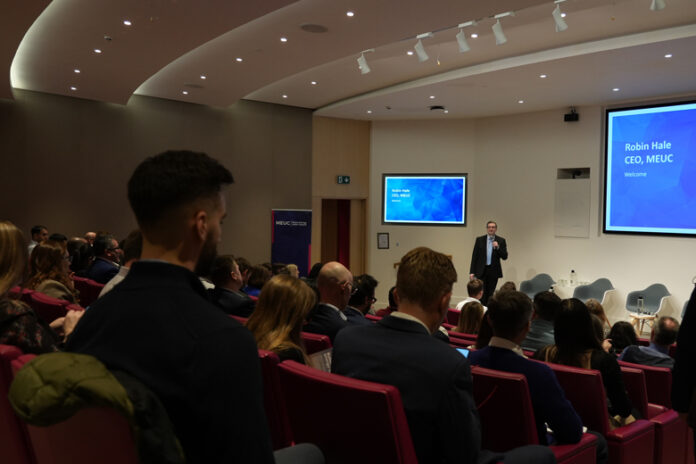
Robin Hale, Chief Executive, MEUC

The landscape of energy and water management is undergoing a major transformation. With evolving regulations, unpredictable pricing, and increasing pressure to meet decarbonisation goals, businesses must take a more strategic approach to procurement and consumption. Failure to adapt could result in rising costs, operational challenges, and reputational risks. In this shifting environment, organisations that make informed decisions about their utility management will gain a significant competitive advantage.

To support businesses in these critical areas, MEUC is hosting its next Buying and Using Utilities Live conference and exhibition on 26 March 2025 at the IET, Savoy Place in London. The event will focus on risk management, cost optimisation, and sustainability, offering insights into the regulatory and economic trends shaping utility markets.

โ€œIn todayโ€™s volatile marketplace, knowledge isnโ€™t just powerโ€”itโ€™s profit. Thatโ€™s why Buying and Using Utilities Live is dedicated to delivering the insights, connections, and strategies you need to manage energy and water costs, stay ahead of new regulations, and build resilience. I look forward to welcoming you on the day and exploring how MEUC can support you in tackling these challenges head-on.โ€ ย Robin Hale, Chief Executive, MEUC

Taking a day to attend an event is a commitment, but the rewards are significant. MEUCโ€™s events deliver high-value insights and actionable strategies that make time away from daily operations worthwhile. Through expert discussions, market intelligence updates, and peer networking, attendees gain tools to cut costs, boost efficiency, and enhance sustainability.

A Comprehensive Agenda Addressing Key Market Challenges

The morning sessions will look at the most pressing market developments, from imminent regulatory shifts like REMA reforms to updates on the capacity market, which influence procurement decisions. Attendees will explore how to integrate risk management with sustainability goals, with a particular focus on using PPAs to stabilise energy costs. Another session will address the challenges of water and energy resilience in an increasingly resource-scarce world, covering rising water costs, stricter regulations, and geopolitical factors that may disrupt supply chains.

The afternoon will highlight innovations shaping the future of energy management. Experts will explain the implications of Market-Wide Half-Hourly Settlement for metering infrastructure and explore on-site generation solutions that drive both cost efficiency and carbon reduction. A session on data analytics will reveal how real-time insights can guide more strategic decision-making. The conference will conclude with an integrated look at energy and water issues, offering a holistic perspective on emerging technologies and case studies that translate industry best practices into actionable strategies.

Bridging Strategy and Innovation: The Exhibition Experience

BUU Live is more than just a conferenceโ€”itโ€™s an opportunity to connect directly with top suppliers, service providers, and innovators. The exhibition will showcase the latest advancements in procurement, monitoring, and resource management. Delegates can network, explore new technologies, and discuss metering, contract strategies, and energy services with experts. Attendees find these conversations key to clarifying their next steps and streamlining decision-making.

Peer Learning and Collaborative Solutions

Equally valuable is the opportunity to connect with industry peers facing similar challenges. Energy managers, procurement specialists, and sustainability leaders attending will each bring unique insights and experiences. Interactive Q&A forums will facilitate open dialogue, enabling participants to compare strategies, uncover hidden efficiencies, and establish professional connections.

For major energy users, utility decisions extend far beyond immediate cost savings. Increasing regulatory scrutiny, ambitious net-zero commitments, and shifting global dynamics place growing pressure on procurement and operational strategies. BUU Live offers a full day of expert analysis, peer-driven learning, and actionable solutions that aim to enhance both cost efficiency and long-term resilience.

The Importance of Staying Informed and Connected

MEUC is renowned for uniting industry leaders, policymakers, and technology pioneers at their events. Whether your organisation aims to reduce costs or accelerate  sustainability, this event offers the insights and knowledge needed to build a solid, future-ready strategy.

By aligning financial goals with sustainability commitments, organisations can establish a foundation for ongoing success, ensuring that they stay ahead in a constantly evolving sector.

Is Attending Worth Your Time? Absolutely.

With rising energy prices, stricter regulatory requirements, and growing sustainability expectations, staying informed is no longer optionalโ€”itโ€™s imperative. Event attendees will benefit from market intelligence, expert insights, peer discussions and key connections that could directly influence procurement decisions.

Join us at Buying and Using Utilities Live to gain the knowledge, strategies, and connections necessary to optimise your organisationโ€™s utility management.

Visit https://meucnetwork.co.uk/events/buu-live-spring25/ to learn more and register.


This article appeared in the March 2025 issue of Energy Manager magazine. Subscribe here.

Navigating Rising Water Tariffs: What Businesses Can Do to Mitigate the Impact

Water tariffs across the UK are set to rise significantly in April 2025, with price increases ranging from 25% to 50%, depending on region and tariff types. This price increase comes from the recent water price review (PR24) โ€” a process carried out every five years by the water regulator, OFWAT.

Furthermore, water companies are challenging the final OFWAT determinations to appeal for higher increases. This is to support quadrupling of new investment in the water sector over the next five years.

In preparation, water wholesalers have front loaded some of these 5 year rises into April 2025 tariffs. These forward increases exclude factors like the Retail Price Index (RPI), and external circumstances, such as the energy crisis, which can prompt wholesalers to revisit and potentially request even higher price hikes.

Due to these cost increases and major water sector changes, it is crucial for businesses to understand their usage in more detail and implement effective water strategies to mitigate price rise impacts.

Water Efficiency: A Strategic Focus

As water costs rise, improving water efficiency becomes a key focus. Technologies like Water AMR (Automatic Meter Reading), allow for remote data collection and monitoring, helping businesses detect leaks or inefficiencies more quickly.

Whilst not yet widespread, Water AMR is an essential tool for businesses looking to gain a more granular understanding of their water usage and identify potential savings.

Robin Gregory, Head of Water Audit at Inspired, suggests that conducting water efficiency audits at selected sites can identify areas where consumption can be reduced.

This could include installing water-saving devices or identifying leaks that have gone undetected due to infrequent meter readings. These selected sites will likely see immediate savings and can be used to inform further water efficiencies throughout your estate.

With the current state of the market, Robin emphasises the importance of the age-old saying โ€” “you canโ€™t manage what you canโ€™t measure”. Despite improvements in technology, the water market remains behind compared to other utilities in terms of digital monitoring, leaving gaps in data that can lead to costly inefficiencies.

Aldi UK has already recognised the potential of Water AMR. Working collaboratively with Inspired through a cost-benefit analysis and pilot scheme, Aldi UK is rolling out a nationwide Water AMR program, which will provide remote weekly reads for its stores.

This initiative, in partnership with Inspired, will enable Aldi UK to track water consumption more efficiently, identify high-consumption stores, and flag potential wastage or leaks. These readings will also be shared with Aldi UKโ€™s water retailer, ensuring accurate monthly billing.

Moving Towards Sustainable Water Usage

As the sector evolves and businesses continue to focus on sustainability, improving water usage will likely become an integral part of broader environmental goals. By reducing water consumption, businesses can also lower their carbon footprint, which is increasingly relevant as environmental mandates expand beyond energy use to include water.

In addition to reviewing tariffs, businesses should also consider water-saving projects like rainwater harvesting or the installation of boreholes. “With the rising cost of water, these options are becoming more financially viable,” says Robin. Rainwater harvesting can be an effective way to reduce dependency on mains water and lower overall water bills, while boreholes can provide a reliable, long-term water supply for businesses in areas where water costs are escalating.

Aldi UK, in addition to its AMR rollout and tariff audits, is continually looking for ways to enhance its water stewardship practices as part of its broader sustainability goals.   

Identifying Opportunities to Mitigate Costs

Amy Dalton, Head of Water Procurement at Inspired, explains that a significant portion of businesses have yet to fully engage with the water market, despite deregulation in England in 2017.

Many non-household customers have not switched their water retailers, which limits their ability to take advantage of potential savings,” Amy says.

A competitive tender process is more crucial than ever, especially with rising prices. While savings from switching have historically been modest, the current tariff hikes mean the benefits of market switching could be substantial.โ€

The impact of these price changes will be felt across all sectors, but those in industries with high water usageโ€”such as manufacturing or large facilitiesโ€”will experience the most significant financial burden. Many of these businesses may be on complex tariffs, meaning this is a good time for them to review whether they are on the correct tariff to begin with.

Aldi UK, for example, has incorporated regular water tariff audits at its sites, with a particular focus on new stores to ensure it is not overcharged. This proactive approach helps Aldi UK stay ahead of rising costs and avoid potential billing errors.

Robin recommends pursuing a “no-win, no-fee” water audit, as it can be an effective way to ensure a business is paying the correct amount for its water consumption. Audits can help identify discrepancies, potential refunds, and opportunities for tariff optimisations that can lead to meaningful cost reductions and unlock funds to be reinvested in further projects.

For businesses that consume significant volumes of water, further steps can be taken to ensure that water consumption is optimised. Aldi UK, for instance, have implemented devices at their Regional Distribution Centres to provide half-hourly data due to the larger scale of water usage at these sites.

Keeping Pace with Market Changes

Finally, Amy stresses the importance of businesses continuing to engage with the water procurement market, even if they have already made the switch to a competitive contract with a water retailer. “Price comparison is crucial, and even if youโ€™re satisfied with your current retailer, itโ€™s important to regularly benchmark offers to ensure youโ€™re getting the best deal,” she advises.

For Aldi UK, regular reviews and innovations, such as the ongoing Water AMR rollouts and smart data monitoring, will play a key role in helping it mitigate the impact of the rising water costs. These projects, along with the ongoing tariff audits, are setting Aldi UK up for long-term cost management success.

In conclusion, while the upcoming price hikes may be challenging, there are numerous strategies that businesses can employ to mitigate the impact. Aldi UKโ€™s strategic initiativesโ€”such as market switching, tariff reviews, AMR adoption in the UK, and water-saving projectsโ€”demonstrate how businesses can stay ahead of rising water costs while contributing to sustainability goals. By taking action now, businesses can reduce the financial burden of increased water tariffs and ensure they are well-positioned to manage future changes in the market.  

Robin Gregory and Amy Dalton

This article was written by the water monitoring experts at Inspired PLC; the UKโ€™s leading energy and sustainability advisor. Want help managing water and wastewater services? We provide a range of solutions to help optimise your water strategy. Visit https://inspiredplc.co.uk/how-we-help/water/ for more information.


This article appeared in the March 2025 issue of Energy Manager magazine. Subscribe here.

Energy management is a journey, we need to take โ€˜babyโ€™ steps

Image by Anna from Pixabay

Paul Webb, MEI Chartered Energy Manager, B2B Energy

Far too many times when I am first speaking to organisations they are insistent that they want to jump straight into putting solar on the roof, deploying batteries and then saying we need heat pumps. My response is โ€œStop, energy management is a journey, we need to take baby stepsโ€. This is always met with barriers and obstacles but once I explain the principles of Review, Realign, Reduce and Report the organisation starts to see the light.

The organisation then says โ€œYou are absolutely rightโ€.

When we talk about taking โ€˜baby stepsโ€™ in the context of energy management or any personal journey, itโ€™s not about underestimating the ambition or courage involved. Instead, itโ€™s a metaphor for starting with small, manageable actions to gradually build confidence and momentum.

Babies may not overthink their goals, but they do exhibit courage and determination in their quest to achieve them. In energy management, taking โ€˜baby stepsโ€™ signifies a proactive and determined approach. It is about having a goal, reducing energy consumption, and being courageous enough to begin the journey, no matter how small the first steps may be.

This initial action is like a babyโ€™s first steps, as they establish a foundation for more significant changes down the road. Over time, as you become more comfortable and skilled in managing energy efficiently, you can take bigger and more impactful steps to achieve your goals. So, โ€˜baby stepsโ€ are not a sign of weakness but a symbol of determination and the courage to start on the path to success.

Energy management is like raising a little energy-efficient toddler. You wouldnโ€™t expect a baby to run a marathon? They start by crawling, then they take their wobbly first steps. You start small with energy-saving habits that grow as your knowledge and confidence do.
Failing to take baby steps in energy management can have significant consequences. Without gradual improvements and adjustments, businesses and individuals miss out on the opportunity to identify and address energy inefficiencies. This can lead to higher energy costs, increased environmental impact, and a missed chance to reduce carbon emissions.

Additionally, neglecting energy management can result in missed financial savings, reduced competitiveness, and a failure to adapt to evolving energy regulations and consumer expectations. In essence, without those initial small steps, the journey toward more efficient, sustainable, and cost-effective energy practices may remain stagnant, hindering both financial and environmental progress.

By taking these baby steps, you not only ease into a more energy-efficient lifestyle but also inspire others to join the journey.

Remember, every small step counts on this exciting adventure towards a greener, more sustainable future.

The bigger picture of delivering a successful energy management program extends far beyond immediate cost savings. It encompasses a holistic approach aimed at achieving several critical goals.

First and foremost, a successful energy management program reduces energy consumption and associated costs. It contributes to a companyโ€™s financial health by optimizing energy use, improving operational efficiency, and enhancing competitiveness.

Beyond the bottom line, it also aligns with sustainability and environmental objectives. Reducing energy consumption means fewer carbon emissions, which is vital for combating climate change. This commitment to sustainability can enhance a brandโ€™s reputation and meet regulatory requirements.

Moreover, a successful energy management program fosters a culture of responsibility and accountability within the organisation. It empowers employees to identify opportunities for energy conservation and encourages the adoption of best practices, creating a sense of shared purpose.

In the long term, it enables a company to future-proof its operations. As energy costs continue to rise and environmental concerns grow, businesses that invest in energy management gain a competitive advantage by demonstrating resilience and adaptability.
Ultimately, delivering a successful energy management program is about achieving a balance between financial prosperity, environmental stewardship, and operational excellence, ensuring that an organisation thrives today and remains sustainable for future generations.

In conclusion, the concept of โ€˜baby stepsโ€™ in energy management serves as a powerful metaphor for embarking on a journey towards greater efficiency, sustainability, and success. Just as a babyโ€™s initial steps lay the foundation for future progress, taking small, manageable actions in energy conservation can lead to significant changes over time. Itโ€™s about fostering courage, determination, and resilience in the pursuit of energy efficiency. Failure to take these small steps can result in missed opportunities, higher costs, and environmental consequences. However, by embracing the journey of energy management, organisations can secure not only financial prosperity but also a more sustainable and responsible future. Itโ€™s a journey that transcends immediate gains, fostering a shared sense of purpose and long-term adaptability.

Image by Hans Benn from Pixabay

Just like raising a toddler, energy management starts with baby steps that pave the way for a greener, more prosperous, and resilient future.

If you enjoyed reading this article or want to provide feedback, please contact Paul Webb at www.b2benergy.co.uk


This article appeared in the March 2025 issue of Energy Manager magazine. Subscribe here.

The future of non-domestic energy: prices, flexibility and innovation.

Mudi Abeysekera

Mudi Abeysekera, Advisor – Decarbonisation of Complex Sites. Energy Systems Catapult.

Energy markets are changing rapidly due to fluctuating prices, new regulations, the push for sustainability, and advancements in technology. In recent years, organisations have faced rising energy costs, affecting their operations, profitability, and financial sustainability.

The energy market is becoming more flexible and dynamic, with the recent Review of Electricity Market Arrangements (REMA) signalling major reforms that will help to build a cleaner, more affordable, and secure electrical power system. Innovations in energy markets are reshaping how organisations buy, manage, and consume energy. The rollout of smart meters and the shift towards digitalisation are fuelling innovation, empowering retailers to offer a broader range of flexible, data-driven products and services tailored to consumer needs.

In this article we explore key developments that may change the way non-domestic customers interact with the energy markets in the coming years.

Time-of-Use Tariffs

Time-of-use (TOU) tariffs offer different prices for electricity based on the time of day, encouraging organisations to use more energy during off-peak periods when prices are lower. Traditional TOU tariffs, like Economy 7 and Economy 10, have long provided cheaper electricity rates at night. However, newer, more advanced TOU tariffs are now becoming available, adjusting prices in real time based on market conditions. For example, Octopus Energyโ€™s Shape Shifters-Agile tariff offers half-hourly pricing linked to wholesale rates, allowing non-domestic consumers to optimise their energy usage and reduce costs.

Type-of-Use Tariffs

A type-of-use tariff is a pricing plan that offers different electricity rates based on how the energy is used, rather than the time of day. These tariffs are designed for specific technologies or appliances, such as electric vehicle (EV) chargers, heat pumps, or battery storage. For example, OVO Energyโ€™s โ€œDrive Anytimeโ€ tariff provides a lower rate for domestic customers charging EVs with a smart charger. While similar options are not yet widely available for non-domestic consumers, they could become an important way to reduce costs and support the shift to smart, low-carbon energy solutions.

Time-matched Tariffs

Time-matched tariffs ensure that the renewable energy you procure corresponds to your actual electricity consumption for each half hour period. This half-hourly time matching is crucial for truly reducing the carbon footprint across the energy system, supporting grid stability, and making the most of renewable energy when it’s available. This not only lowers costs across the energy system but also ensures your energy is genuinely green, giving organisations full transparency and control over their sustainability efforts.

Power purchase agreements (PPAs)

PPAs are increasingly being adopted by public sector organisations and large businesses seeking long-term price stability and renewable energy sourcing. These agreements allow businesses to procure electricity directly from renewable generators, locking in competitive rates for up to 25 years. While long-term contracts dominate, shorter-term PPAs (2-5 years) are also becoming available for operational assets, offering organisations greater flexibility.

Local energy clubs

Local community energy clubs are groups that bring together communities to invest in local renewable power generation. These clubs can help domestic and non-domestic customers in the local area access cheaper, green energy from nearby sources. Participants of these schemes contribute to local environmental goals, promoting local energy independence and reducing reliance on centralised energy systems. See energylocal.org.uk for case studies of local energy clubs.

Smart Electricity Exports

Onsite renewable generation can produce valuable surplus energy, which can vary significantly in market value based on the selling method used. With growing interest in self-electricity generation, organisations with solar panels or other renewable assets can now participate in rewarding energy export schemes. Companies like Open Power and other initiatives enable businesses to secure better returns on surplus energy exports.

Energy market intermediariesย ย ย ย ย ย ย ย ย ย ย 

Given the increasing complexity of the energy market, many non-domestic customers are turning to market intermediaries to navigate energy procurement decisions. These intermediaries offer market intelligence, price comparisons, collective/auto switching, contract negotiation, and risk management services, helping businesses secure the best deals while aligning procurement with sustainability objectives. As these energy market intermediaries are poised to play a growing role in the future energy retail market, itโ€™s encouraging to see that Ofgem, the UKโ€™s energy regulator, is considering regulatory oversight for these entities.

Flexible Power Schemes

Demand response and grid flexibility services, once the domain of large industrial users, are now opening up to SMEs and public sector sites with flexible energy assets. Companies like KiWi Power aggregate energy flexibility, enabling smaller organisations to participate in flexible power schemes and benefit from financial incentives. These programs allow organisations to generate an additional revenue stream by adjusting consumption during peak grid demand periods and managing on-site power generation using assets like batteries for power grid needs.

Conclusion

Energy markets are undergoing a profound transformation, driven by digitalisation, flexibility, and the push for sustainability. Innovations such as advanced tariffs, local energy clubs, PPAs, and smart electricity exports are reshaping how non-domestic customers engage with energy. As regulatory reforms like REMA take shape, organisations that proactively adapt to these changes, leveraging new procurement models, market intermediaries, and demand flexibility, will be best positioned to control costs, reduce risk, and meet their sustainability goals. To stay competitive, organisations must embrace these innovations and actively participate in shaping the future of the energy market.

www.es.catapult.org.uk


This article appeared in the March 2025 issue of Energy Manager magazine. Subscribe here.

The Necessity of Measuring Energy Use

Elliot Ajose, Regional Sales & Technical Manager for Chauvin Arnoux UK, highlights the most common inefficiencies found in industrial installations today and discusses the instruments available to engineers and maintenance staff to identify and address these issues.

Monitoring energy consumption is no longer an option but a necessity for those looking to reduce spending and operational costs, especially with electricity prices continuously rising.

Tracking power usage in a facility can help identify hidden inefficiencies that impact both operational and environmental quality. It can pinpoint reasons for higher-than-expected energy costs and reveal underlying causes of frequent equipment repairs and replacements.

Studies by the Carbon Trust indicate that energy savings of up to 20% can be achieved by replacing inefficient equipment and implementing energy-efficient measures such as installing variable-speed drives for fans, pumps, and motor-driven systems. Additionally, a British Gas survey of smart meters across 6,000 UK SMEs found that “out-of-hours” electricity usage accounted for 46% of total consumption. This was due to lighting, heating, and IT equipment being left on in unoccupied offices, as well as car park lighting operating around the clock.

Office equipment plays a significant role in energy consumption. Simply turning off non-essential equipment at the end of the day can result in 12% energy savings. Moreover, leaving office equipment on standby during weekends and bank holidays can cost an average SME up to ยฃ6,000 per year.

While many businesses have already benefited from switching to LED lighting, further savings can be achieved through occupancy sensors, which can cut electricity use by an additional 30%. Using daylight sensors or photocells to adjust artificial lighting based on natural light availability can lead to another 40% reduction in electricity consumption.

Beyond efficiency measures, 50% of UK industrial facilities still suffer from poor Power Factor and load balancing. Power Factor measures how efficiently electrical power is used, while load balancing ensures an even distribution of electrical loads across the three supply phases. Both factors contribute significantly to increased energy losses and higher consumption.

Identifying and addressing these inefficiencies requires a Power and Energy Logger (PEL). Whether troubleshooting specific problems or proactively optimising power distribution, PELs should be as essential to a building maintenance technician as a multimeter or thermometer.

Modern PELs are compact, lightweight electronic instruments designed to collect electrical data efficiently. They can be temporarily installed in distribution panels or various locations within a facility without interrupting the mains supply or shutting down operations. This makes them invaluable for ongoing monitoring and energy audits.

PELs are highly versatile, capable of monitoring specific equipment or entire departments. They use Rogowski coil current sensors that loop around conductors, and magnetic voltage probes that attach to MCB screw heads, ensuring a completely non-intrusive installation. Importantly, PELs can be installed by a qualified electrician without requiring them to switch off the power.

PELs gather and log critical electrical parameters such as three-phase current, voltage, power, and energy consumption over customisable periods ranging from seconds to months. Advanced models, such as the Chauvin Arnoux PEL113, also measure Power Factor, Total Harmonic Distortion (THD), and individual current and voltage harmonic levels, storing millions of data points accessible locally or remotely via USB, Wi-Fi, Ethernet, or internet connections.

Once local monitoring is complete, some PELs can be semi-permanently installed inside cabinets at the main supply point. They can be self-powered from the installation itself and, when connected to a local network, allow continuous monitoring with configurable alarms for immediate issue detection.

For businesses requiring permanent energy monitoring, retrofitting older installations with panel-mounted equipment often involves costly downtime and extensive modifications. Instead, semi-permanently installing a PEL can be a cost-effective alternative, offering real-time monitoring from a PC. This enables businesses to track energy usage, Power Factor, and harmonic content over time while setting up alerts for potential issues.

A well-implemented PEL solution provides an efficient and flexible approach to energy management, helping businesses reduce costs and improve operational efficiency. To learn more about optimising electricity consumption and cutting expenses, visit https://cauk.tv/


This article appeared in the March 2025 issue of Energy Manager magazine. Subscribe here.

Join the Instituteโ€™s brand-new course: Artificial Intelligence for Renewable Energy

Start the new year with an exciting new opportunity! Weโ€™re delighted to introduce our brand-new course, Artificial Intelligence for Renewable Energy. Join our Live Virtual Classroom, from 4th – 5th March (9am – 5pm UK time) to be among the first to delve into the integration of AI and renewable energy, addressing key challenges in the global energy transition.

Prefer a more flexible learning option? The On-Demand version will be available in April, allowing you to learn at your own pace.

This cutting-edge course delves into the complexities of integrating renewable energy with artificial intelligence, exploring both the challenges and opportunities within the global energy transition. Through diverse examples and in-depth case studies, participants will gain a robust understanding of key concepts and their practical applications. We encourage you to register as soon as possible to secure your spot: www.renewableinstitute.org/training/artificial-intelligence-in-renewable-energy/

This course is suitable for professionals, researchers, policymakers, and students who are interested in the energy sector and want to learn more about the latest developments and trends in the realm of AI integration.

To enrol, simply visit our website at www.renewableinstitute.org/training/artificial-intelligence-in-renewable-energy/ and follow the easy registration process. If you have any questions, please do not hesitate to contact us by email at training@renewableinsitute.org or call us on +44 131 446 9479 from 9am – 5pm UK time.

Ground Source Heat Pumps: Debunking Myths and Embracing Potential

Chris Davidson

Chris Davidson, CTO at Genius Energy Lab

Despite significant progress in low-carbon heating, misinformation continues to slow ground source heat pump (GSHP) adoption. Heating accounts for 37% of the UKโ€™s carbon emissions, making efficient alternatives essential for hitting our net zero targets. In 2024, heat pump installations hit a record high, with MCS data showing over 39,000 new systems installed, bringing the UKโ€™s total to more than 275,000. However, outdated myths persist, prompting the government to launch a campaign to combat disinformation around heat pumps.

Ground source heat pumps deliver unmatched efficiency, achieving up to 400% efficiency, far outperforming air source heat pumps (200-234%) and gas boilers (90%). But why, if they are proven to be the best heating and cooling energy source we have, are they not being adopted at a faster rate? Having worked extensively in GSHP design, Iโ€™ve seen how persistent myths shape perceptions about this simple technology. Here, I tackle some of the most common concerns and explain why itโ€™s time for energy professionals to rethink GSHPs.

Myth 1: Ground Source Heat Pumps Are Too Expensive

One of the biggest concerns surrounding GSHPs is their perceived high upfront cost. While the initial investment can be more than conventional heating systems, this view ignores the long-term financial and environmental benefits. Lower operating costs, reduced maintenance, and improved energy efficiency mean GSHPs have a lower lifetime cost than legacy energy sources. Additionally, new funding models and incentives, such as grants and third-party ownership structures, are making GSHPs more accessible.

Myth 2: Ground Source Heat Pumps Are Only Suitable for Certain Buildings

A common misconception is that GSHPs are only effective for homes or new-build projects. In reality, they are used in a wide range of settings, from schools and hospitals to commercial buildings and industrial sites. They are at their most efficient and cost-effective when integrated into district heating schemes to provide efficient energy distribution across entire communities.

Flexible design options, including horizontal trenches and vertical boreholes, allow GSHPs to be tailored to different locations and site conditions. Even in dense urban environments, they can be deployed effectively with careful planning.

Myth 3: Ground Source Heat Pumps Are Difficult to Implement

The assumption that GSHP projects are high-risk often stems from concerns about installation complexity. While planning and site assessments are necessary, advances in drilling techniques and modular system designs have made implementation more adaptable and straightforward.

Our partner Kensa Utilities’ ‘Heat the Streets’ initiative is a prime example of how GSHPs can be deployed in residential areas with minimal disruption. By retrofitting existing housing stock, this project has helped reduce heating costs and carbon emissions, demonstrating that GSHPs can be a practical solution even for older buildings. With the right expertise, GSHPs can be integrated smoothly into both new and existing developments, offering one of the most stable and reliable heating solutions with minimal risks.

Myth 4: Ground Source Heat Pumps Don’t Work Well in Cold Weather

GSHPs perform well even in extreme cold and are widely used in some of the coldest regions across Northern Europe and North America. Unlike air source heat pumps, which rely on fluctuating outdoor air temperatures, GSHPs extract heat from the ground, where temperatures remain stable year-round. This ensures consistent performance even in extreme winter conditions.

Myth 5: Ground Source Heat Pumps Require Frequent Maintenance

Another misconception is that GSHPs need regular and costly maintenance. In reality, GSHPs have fewer moving parts than traditional boilers, leading to lower wear and tear. Once installed, they require minimal upkeep beyond routine system checks.

The GSHP unit itself typically lasts 20-25 years, while the ground loop array is a long-term asset with a lifespan of over 100 years. Compared to air source heat pumps (ASHPs), which generally last 12-15 years due to exposure to the elements, and gas boilers that often require frequent servicing and repairs, GSHPs offer a low-maintenance, long-lasting, and highly efficient heating solution.

The Bigger Picture: A Decarbonised Future

GSHPs are the most efficient and future-proofed heating solutions available today. As policy and regulation continue to drive the move away from fossil fuel heating, the need for scalable, low-carbon alternatives is only growing.

For energy professionals, the question is no longer whether GSHPs are viable, but rather how we can accelerate their adoption. By addressing these misconceptions head-on, we can help ensure that GSHPs play their rightful role in the UKโ€™s journey to net zero.

126 contractors win places on new ยฃ660 million retrofit and decarbonisation framework

A total of 126 specialist consultants and contractors have been appointed to a major new public sector framework launched by LHC Procurement Group (LHCPG).

The Retrofit and Decarbonisation (N9) framework runs until the end of February 2029 and provides public sector clients and registered social landlords with access to vetted local suppliers with the expertise needed to assess and retrofit the countryโ€™s social housing and public sector buildings.

Available through LHCPGโ€™s five regional business units, the framework covers a range of retrofit services, including consultancy, multi-disciplinary works, building insulation and performance, low-carbon heating systems, control and management systems, and electrical services, including EV charging and solar PV.

The N9 Retrofit and Decarbonisation framework aims to address all aspects of a building’s energy efficiency, enabling the decarbonisation of existing housing stock and public buildings to meet future climate and carbon reduction goals.

It is the first new framework to be launched by LHCPG since its successful Gold Standard verification covering all its work across all its regions.

It is also the first to implement LHCPGโ€™s new social value strategy. To understand the social value impact and outcomes of all projects delivered from the N9 framework, LHCPG will monitor and report on the overall performance of this framework โ€“ working with the appointed companies and clients to gather and assess the added value created across individual wellbeing, social mobility, and improving the planet and the environment priority areas. 

Clive Feeney, LHCPG Group CEO, says:

โ€œThe N9 framework will play a vital role in helping local authorities and housing associations work towards the UKโ€™s newest and boldest targets on decarbonisation announced at COP29.

โ€œAs a country, we are now aiming for an 81% cut in emissions by 2035. This will demand a huge push on the low carbon retrofit of social homes, and a dramatic reduction in carbon emissions across 1.9 million non-domestic public buildings too.โ€

In recognition of the constraints and severe shortages of fully qualified trades and retrofit professionals to meet the demands of the public sector, the framework is also working to create new opportunities and a secure pipeline of work for local businesses, encouraging new collaborations and nurturing the upskilling of the next generation of contractors.

The N9 framework will signpost appointed companies to local retrofit skills academies, provide them with knowledge masterclasses and support them through best practice working groups, all designed to ensure they can meet mandatory retrofit standards, including PAS 2030, 2035 and 2038, within two years of joining.

Clive explains:

โ€œAt LHCPG we are very proactive in our work to attract smaller and more local businesses and underrepresented groups to apply to be part of our frameworks, and the N9 framework has been adapted with this in mind.

โ€œWe are committed to supporting our appointed supply chain throughout the framework’s lifetime, providing guidance and opportunities.

โ€œFor example, to access many of the government funding streams, installers must be PAS 2030-certified and TrustMark-registered. Many of the companies appointed today already have this, but part of our process will also be to support new suppliers. They will have a two-year window to attain the relevant certifications, during which time we will offer extensive support and assistance to ensure they meet these critical standards.

โ€œIn this way, the N9 framework can support future funding waves, making it a key enabler for energy-efficient upgrades of those social homes with low EPC ratings of D-G. These upgrades will ensure homes are better insulated, more comfortable to live in and cheaper to run, contributing to both energy savings and improved living standards for residents.

โ€œBy combining technical innovation with a deep commitment to upskilling the supply chain and delivering local social value, we are helping communities reduce their carbon footprints while building a skilled workforce for the future.โ€

The N9 framework has six workstreams:

  • Consultancy: Combines energy policy and strategy development with grant funding support, providing comprehensive assistance to organisations in planning and implementing energy-efficient strategies.
  • Multi-Disciplinary Works: Focuses on multi-technology installations with clarified value bands, accommodating diverse contract sizes and technologies, and includes provisions for micro and small contractors.
  • Building Insulation and Performance (Passive): Covers various insulation types, including internal, loft, cavity wall, and external insulation, with specific lots tailored to different building sizes and types.
  • Heating Systems: Encompasses a range of heating solutions, from domestic to commercial systems, and integrates smart controls and energy systems where applicable.
  • Control and Management Systems: Addresses building management systems (BMS) and individual metering, catering to the needs in communal heating systems and energy management.
  • Electrical: Includes lots for solar PV and battery storage, and electric vehicle charging, responding to the growing demand for integrated energy solutions and EV infrastructure.

In addition to the fixed-term framework over the next four years, LHCPG has also just launched a Dynamic Purchasing System (DPS) option for low carbon retrofit servicing and maintenance works.

The key thing about this DPS is that companies can apply to join throughout its lifetime rather than it being a fixed framework for the framework lifecycle, as with the Retrofit and Decarbonisation (N9) framework.

www.lhcprocure.org.uk

Carbon Futures appointed to new SPA Framework for Retrofit and Decarbonisation

Leading energy and sustainability consultancy, Carbon Futures, has been successfully appointment to a new Retrofit and Decarbonisation Framework developed by the Scottish Procurement Alliance (SPA).

Part of the LHC Procurement Group, SPA has been supporting public sector organisations with technical procurement for over fifty years and is a leading provider of free-to-use framework agreements accessed by local authorities, social landlords and other public sector bodies.

This innovative new framework has been designed to support local authorities, housing associations, education and other public sector organisations in delivering a range of energy efficiency and decarbonisation works, helping them with the challenge of achieving net zero and improving the energy performance of their existing stock. 

The appointment will see Carbon Futures approved to provide a wide range of specialist energy consultancy services such as Retrofit Assessor, Coordinator and Designer roles to ensure projects throughout Scotland are delivered to a PAS 2035 compliant standard.

Developed to guide the improvement of energy efficiency and performance in existing homes in the UK, the PAS 2035 standard is a process for the energy retrofit of domestic buildings and is an integral part of the UK government’s strategy to reduce carbon emissions and improve energy efficiency in the housing sector.

Natasha Houchin, Lead Consultant at Carbon Futures commented:

โ€œWe are delighted to be named on this four-year national framework which represents a huge step forward for Carbon Futures and our ongoing expansion into the retrofit sector.

This success will allow us to build on our current pipeline of retrofit projects, enhancing our ability to support the decarbonisation of existing buildings whilst helping to improve the lives of occupants throughout the country.โ€

This year will see Carbon Futures celebrate its tenth year in business and its appointment on this new framework marks a significant milestone in its growth journey.

Having grown steadily since forming in June 2015, the consultancy business now employs a team of eighteen staff from offices in Glasgow and Edinburgh with further expansion on the horizon as they gear up to support the transition towards a net zero future.

Andrew Money, Director at Carbon Futures commented:

โ€œFor ten years, Carbon Futures has supported the delivery and improvement of over 35,000 new and existing homes throughout the country, the vast majority for social and affordable housing providers.

This new framework appointment represents another key milestone for our business and supports our planned growth and expansion into the retrofit sector. We look forward to supporting our various client groups throughout the industry to improve the energy efficiency of their existing housing stock; providing a significant contribution towards their net zero targets.โ€

Learn more at carbonfutures.co.uk