
npower Business Solutions commits ยฃ10 million to community fund

Business energy supplier, npower Business Solutions (nBS), has confirmed it is committing an additional ยฃ5 million to its community fund, the npower Business Solutions (nBS) Foundation, bringing its total funding to ยฃ10 million.

Launched in Spring 2024, the nBS Foundation provides grants of up to ยฃ100,000 to community and not-for-profit organisations located within a 50 mile radius of its offices in Solihull and Leeds, and supported 89 projects during its first year.

These included funds for 190 solar panels, over 200 full and part time charity roles, six electric vehicles, 15 redeveloped outside spaces and the renovation of more than 20 buildings and community spaces.

The announcement of the new ยฃ5 million funding was made at a recent event in Birmingham to mark the first successful year of the nBS Foundation, which also saw the unveiling of a new photography exhibition, featuring several of the projects the fund has supported over the past 12 months.

Those featured include Jericho in Birmingham, which provides supported work opportunities for people facing extreme challenges in getting a job, including marginalised young people and survivors of modern slavery. The nBS Foundation provided funding to help improve its sustainable supported workspace, the Wood Shack.

Carriers of Hope, a Coventry-based charity supporting refugees, asylum seekers and vulnerable migrants with essential items, community connection, and access to vital services, also featured. The nBS Foundation provided funding to Carriers of Hope to help expand their furniture and recycling projects, providing essential household items to vulnerable people and reducing landfill waste.

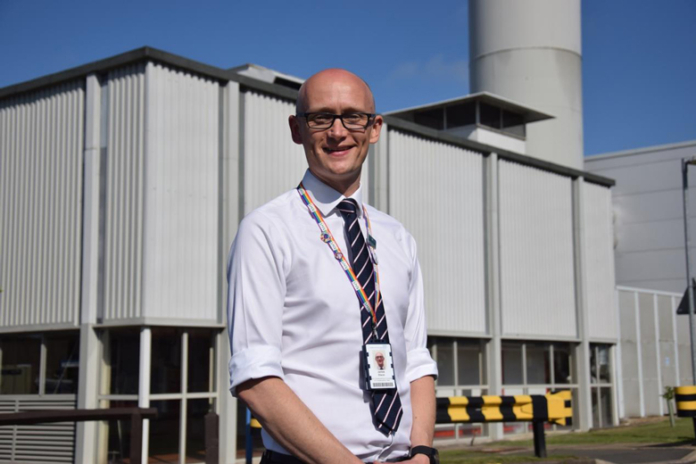
Anthony Ainsworth, Chief Operating Officer at npower Business Solutions, said:

โ€œThe nBS Foundation was set up with a specific aim of supporting the many ambitious not-for-profit organisations, charities and educational institutions across the Midlands and Yorkshire. Those organisations which are eager to make long-lasting change, but need the funding to turn their ambitions into reality.

โ€œTo say I am proud of the impact the nBS Foundation has had on the local communities where we are based is an understatement. We have been able to support some of the essential projects, charities, community groups and educational organisations across both regions that give hope to some of the most vulnerable people in the towns and cities across the Midlands and Yorkshire. 

โ€œIt is also a huge honour to be able to announce a further ยฃ5 million in funding, bringing the total to a huge ยฃ10 million, so we can continue to support projects that are taking vital steps to decarbonise and safeguard our world, support the growth of responsible businesses, promote social innovation, and champion local skills or employment.

โ€œSo, the message is – if you know, or are involved with, a suitable organisation who could be eligible for our support, please visit npowerbusinesssolutions.com/foundation to find out more.โ€

Applications to the nBS Foundation and the allocation of funding is managed by Charis Grants, an independent organisation specialising in the distribution of financial and product support to vulnerable individuals and community projects.


This article appeared in the July/August 2025 issue of Energy Manager magazine. Subscribe here.

UK to Host Landmark Clean Energy Summit in South Yorkshire

The UK is set to host a pivotal national event, the UK Clean Energy Summit 2025, on September 11th and 12th at the Magna Science Adventure Centre in Rotherham, South Yorkshire. The summit aims to solidify the nation’s ambition of becoming a global clean energy superpower, focusing on accelerating the journey to net-zero while stimulating economic growth, creating high-value jobs, and attracting significant investment.

Hosted by the University of Sheffield, this two-day conference and exhibition will convene leading figures from industry, policy, and academia. Discussions will centre on the critical role of groundbreaking research and development, innovative industrial practices, and effective government policy in achieving the UK’s clean energy goals. 

The choice of Magna as the venue is particularly symbolic. This unique events space, set within a former industrial steelworks, is located in the heart of South Yorkshire, a region boasting the UK’s largest clean-tech cluster. The summit will showcase the latest advancements from both industry and academia across a diverse energy landscape, including:

  • Small Modular Reactors (SMRs)ย 
  • Sustainable Aviation Fuels (SAF)
  • Industrial Decarbonisation
  • The Hydrogen Supply Chain
  • Offshore Wind
  • Financing and Investing in Clean Energy

Attendees can expect a dynamic program featuring keynote speeches from prominent political leaders and industry heavyweights, alongside interactive workshops and panel discussions with pioneering businesses and academics. These sessions will delve into the major challenges and opportunities for unlocking substantial growth and ensuring long-term sustainability within the clean energy sector.

A significant focus will also be placed on the vital role that UK regions, particularly those in the North, can play in driving the clean energy transition. The summit will provide ample opportunities for networking among delegates, culminating in a special dinner featuring a high-profile speaker.

The UK Clean Energy Summit is a collaborative effort, primarily hosted by the University of Sheffield and its Advanced Manufacturing Research Centre (AMRC). The University is renowned for its world-leading pilot-scale research centres that work closely with industry to develop and test green energy solutions. The event is further supported by the South Yorkshire Mayoral Combined Authority and the High Value Manufacturing Catapult, underscoring a strong commitment to regional and national progress in clean energy.

Book now 

https://www.amrc.co.uk/events/the-uk-clean-energy-summit-2025


This article appeared in the July/August 2025 issue of Energy Manager magazine. Subscribe here.

Ecobat Battery continues to build its reputation

Reflecting its growing influence in the energy storage system (ESS) sector, Ecobat Battery is enjoying public recognition of its business services from both customers and supply partners, with an endorsement from sector specialist Wagner Renewables and a Best Distributor Award from ESS manufacturer, CNTE.

In the review hailing the positive contribution the battery distributor has made to its business, Wagnerโ€™s Sales Manager, Darren Crisp stated: โ€œWe’ve been working with Ecobat Battery for some time now and have always found them to be a reliable and valued supplier. The team are friendly, knowledgeable, and always willing to help, which makes a real difference in day-to-day operations.

โ€œTheir stock holding is consistently strong, meaning we can usually get what we need without delays, and deliveries are quick and efficient. Pricing is also very reasonable, helping us stay competitive while maintaining quality.

โ€œOverall, Ecobat Battery provides a great service, is a pleasure to deal with, and so are highly recommended by the Wagner Renewables team.โ€

Responding for Ecobat Battery, Business Development Manager Mike Sharpe said: โ€œItโ€™s always nice when our customers express their appreciation of the services we provide, but more importantly, it allows us to demonstate that there is real world substance to our claim that we work with our customers to identify and then implement the best solutions for their individual requirements.โ€

When it comes to supply partnerships, during the recent Intersolar Europe event in Mรผnchen, commercial and residential ESS manufacturer CNTE took the opportunity to hold its annual awards ceremony, where Ecobat Battery was recognised with its Best Distributor Award.

In a LinkedIn post, CNTE stated: A heartfelt thank you to Ecobat Battery for the strong partnership and shared achievements! At Intersolar Europe 2025, we had the honour of presenting the โ€œBest Distributor Awardโ€ to Ecobat Battery โ€” a recognition of the trust, dedication, and outstanding results cultivated through our collaboration.

This partnership has played a vital role in advancing energy solutions in the European market and continues to inspire new possibilities.

Looking ahead, we are excited to deepen cooperation in C&I energy storage and EV charging, driving smarter and greener innovations together.

In response, Managing Director of Ecobat Battery Europe, Russell McBurnie said: โ€œWe are delighted to receive the award and proud to have been recognised as a strong partner of such a prominent player in the ESS sector.

โ€œWe have built our business on the strength of our reputation for delivering great levels of service and ongoing support, but without being able supply high quality and reliable products, such as those manufactured by CNTE, we wouldnโ€™t be able to achieve those standards. We are therefore honoured and appreciative of the Best Distributor Award that we have been presented.โ€

The ability to identify the most suitable solution to the varying needs of its diverse customer base, while at the same time satisfying the needs of business partners are perfect examples of how Ecobat Battery, the UKโ€™s largest battery distributor, is achieving its rapid expansion into the ESS sector.

The companyโ€™s prominent position in the battery distribution sector means that it enjoys strong and successful partnerships with many reputable brands, and in the ESS industry, as well as CNTE, these include leading players such as Pylontech, Rolls Battery, Victron Energy and Jinko Solar. As a result, Ecobat Battery is able to ensure that quality and reliability are at the forefront of the solutions that it is able to offer.

In addition, as these two endorsements clearly testifiy, in common with its product offerings across multiple sectors, all are supported by a superb level of service, technical advice and backup, and a reputation that comes with a business that has been proactive in the battery market for more than 70 years.

For further details, please visit Ecobat Battery at: https://bit.ly/3SSav9p


This article appeared in the July/August 2025 issue of Energy Manager magazine. Subscribe here.

The Role of Steam in a Net-Zero Future

Photo by Karsten Wรผrth on Unsplash

Introduction: A Net-Zero Vision

As industries worldwide strive to achieve net-zero carbon emissions, the role of energy systems is under scrutiny. Steam, a tried-and-tested utility for industrial processes, is often overlooked in conversations about decarbonisation. Yet, steam holds significant potential to contribute to a sustainable future when coupled with innovative approaches and modern technology.

This whitepaper explores the role of steam in a net-zero future, demonstrating how its decarbonisation can unlock opportunities for efficiency, sustainability, and innovation across industries.


Steam: An Indispensable Industrial Utility

Steam has been the backbone of industrial energy systems for over a century. Its ability to transfer large amounts of energy efficiently and reliably makes it indispensable in sectors such as food and beverage, pharmaceuticals, chemical manufacturing, and power generation.

Key Advantages of Steam:

  • Energy Transfer Efficiency: Steamโ€™s high energy density allows for the efficient transfer of heat and power.
  • Flexibility: Steam systems can be adapted for heating, sterilisation, drying, and mechanical work, making them suitable for diverse industrial applications.
  • Scalability: From small-scale operations to large industrial complexes, steam systems can be tailored to meet specific energy demands.

Despite these advantages, traditional methods of steam generation often rely on fossil fuels, presenting a significant challenge for industries aiming to achieve net-zero emissions.


Decarbonising Steam Systems

The path to decarbonising steam systems is multi-faceted, involving improved efficiency, the adoption of renewable energy sources, and leveraging cutting-edge technologies.

1. Enhancing System Efficiency

Optimising steam systems is the first step in reducing emissions. Efficiency improvements not only lower carbon footprints but also cut operational costs. Key strategies include:

  • Reducing Heat Losses: Using advanced insulation materials for pipes, valves, and fittings can minimise energy wastage.
  • Recovering Waste Energy: Implementing condensate recovery systems, flash steam recovery units, and economisers can significantly reduce fuel consumption by capturing and reusing waste energy.
  • Upgrading Boiler Technology: High-efficiency boilers equipped with modern controls and automation systems ensure optimal fuel utilisation and minimise emissions.
  • Conducting Regular Maintenance: Preventative maintenance schedules help identify inefficiencies and extend the lifespan of system components.

2. Transitioning to Low-Carbon Fuels

Fuel choice directly impacts the carbon intensity of steam production. Transitioning to sustainable alternatives can drive significant emission reductions:

  • Biomass and Biogas: Renewable fuels like biomass pellets and biogas are carbon-neutral options when sourced sustainably.
  • Green Hydrogen: Produced using renewable electricity, hydrogen is an emerging zero-emission fuel for steam generation.
  • Electrification: Electric boilers powered by renewable energy provide a direct route to decarbonisation, especially in regions with a green energy grid.

3. Integrating Renewable Energy

Renewable energy can complement steam systems by reducing reliance on conventional fuels. Examples include:

  • Solar Thermal Systems: Solar collectors can preheat water, reducing the energy demand on boilers.
  • Geothermal Energy: Geothermal heat can serve as a sustainable source for low-temperature steam requirements.

4. Leveraging Digital Tools

Digitalisation empowers industries to make data-driven decisions for improved sustainability. Advanced monitoring systems, predictive analytics, and real-time performance tracking can optimise steam system efficiency and minimise waste. Technologies such as the Industrial Internet of Things (IIoT) enable smarter control and better integration of renewable energy sources.


Steam in Emerging Technologies and Circular Economy Models

Steamโ€™s versatility positions it as a key enabler in circular economy models and emerging technologies. For instance:

  • Industrial Symbiosis: Excess steam generated by one facility can be redirected to nearby facilities, maximising resource efficiency and reducing energy waste.
  • Carbon Capture and Storage (CCS): Steam plays a vital role in regenerating amines used in capturing CO2 from industrial processes.
  • Hydrogen Production: Steam methane reforming (SMR) and electrolysis rely on steam as a critical input for producing hydrogen efficiently.

The Business Case for Decarbonising Steam

Decarbonising steam systems is not only an environmental imperative but also a business opportunity.

Key Benefits Include:

  • Cost Savings: Efficiency improvements lead to lower energy consumption, reducing fuel costs.
  • Regulatory Compliance: As emissions standards tighten, decarbonising steam systems ensures compliance with evolving regulations.
  • Enhanced Reputation: Demonstrating a commitment to sustainability builds trust with customers, stakeholders, and investors.
  • Future-Proofing: Transitioning to low-carbon technologies safeguards operations against rising carbon taxes and fuel costs.

Spirax Sarco: Your Partner in a Net-Zero Journey

At Spirax Sarco, we believe that steam has a vital role in the net-zero future. With decades of expertise, we provide tailored solutions to help industries:

  • Optimise Steam Systems: Conducting system audits and implementing efficiency upgrades to maximise performance.
  • Transition to Low-Carbon Fuels: Supporting the adoption of hydrogen, biomass, and electrification technologies.
  • Leverage Digital Tools: Offering advanced monitoring and analytics solutions to optimise system performance in real time.

Whether youโ€™re just beginning your decarbonisation journey or refining existing systems, our team of experts is here to guide you every step of the way.


Conclusion: A Sustainable Future with Steam

Achieving a net-zero future requires innovative thinking and a commitment to change. Steam, with its unparalleled efficiency and versatility, can remain a cornerstone of industrial energy systems when decarbonised effectively.

By investing in modern technologies, adopting renewable energy sources, and partnering with experts like Spirax Sarco, industries can harness steamโ€™s potential to drive sustainability while meeting operational and financial goals.

Together, letโ€™s make steam part of the solution for a greener tomorrow.

Contact Spirax Sarco today to learn more about decarbonising your steam system. www.spiraxsarco.com


This article appeared in theย July/August 2025ย issue of Energy Manager magazine. Subscribeย here.

Wave becomes three-time winner of top industry award

Durham-headquartered Wave has become the first company to win a top industry award for the third time.

The national water retailer was again crowned โ€˜Water Retailer of the Yearโ€™ at last weekโ€™s prestigious 2025 Water Industry Awards in Birmingham.

Judged by a panel of esteemed industry experts, the firm was recognised amongst a highly competitive field for its innovation, collaboration, and unwavering commitment to ESG.

As one of the UKโ€™s highest-rated business water retailers, with a customer retention rate of 96.6% and a net promoter score (NPS) of +21, Wave was praised for its excellence within the utilities sector.

The business achieved significant milestones benefiting its customers, people and planet over the last 12 months, which supported the decision to award Wave the top accolade. These included:

  • Working with its customers to save over 9.6 billion litres of water, reaching its five-year target a year ahead of schedule.
  • Recycling computers, desks, and equipment, saving 22 tonnes of CO2, following a move to smaller, more energy-efficient offices.
  • Kick-starting a legionella risk management trial in partnership with award-winning technology firm Infersens, to minimise water waste in business premises caused by legionella bacteria.
  • Employees contributing 1,730 volunteering hours to charities and causes of their choosing.
  • Establishing employee support groups and hosting events to raise awareness of wellbeing issues, including menโ€™s mental health, gambling, testicular cancer, and financial management.
  • Maintaining an unwavering commitment to its people, achieving an impressive Employee Net Promoter Score (eNPS) of +40, highlighting strong employee satisfaction and advocacy.

Lucy Darch, Chief Executive Officer, at Wave, said:

โ€œI couldnโ€™t be prouder. Being named โ€˜UK Water Retailer of the Yearโ€™ for the third time is a testament to the hard work and dedication that defines who we are and the work we do for our customers, our people, and our planet.

โ€œAs a business, it proves we never stand still. And through technology, innovation, and partnerships, we will continue to push the boundaries and influence change across the industry. We remain committed to creating lasting positive impact and driving sustainable growth for generations to come.โ€

Why local energy decision making is essential

Instead of top-down control, we need a system that empowers local communities to manage their own energy, says UrbanChain’s Kristian Lande.

The problem with a centralised energy system

Our energy system was built for a different era โ€“ when power came from a handful of large fossil fuel plants, and electricity flowed in one direction, from these central hubs to homes and businesses. Back then, this made sense. Today, it doesnโ€™t.

Renewable energy sources like wind and solar donโ€™t work the same way. Theyโ€™re distributed โ€“ generated across thousands of locations, not just a few big plants. But weโ€™re still trying to run the system as if nothing has changed. The result? Higher costs, inefficiencies, and missed opportunities.

The cost of an outdated model

Centralised decision-making has led to a situation where power is generated far from where itโ€™s needed, forcing us to build ever more infrastructure to transport it. This drives up costs and leads to significant energy losses along the way.

It also creates bizarre market distortions. For example, on some days electricity prices swing wildly. Yesterday you could have bought power for ยฃ100 and sold it for ยฃ3,000 just hours later. This isnโ€™t a functioning market; itโ€™s a sign of a system failing to match supply with demand efficiently.

Meanwhile, weโ€™re paying around ยฃ1 billion a year to turn off wind turbines because the grid canโ€™t handle their output. Thatโ€™s right โ€“ clean, cheap energy is being wasted because our infrastructure and market rules arenโ€™t designed to use it properly.

The grid is struggling to keep up

The grid isnโ€™t built for how energy flows today. The old system was predictable โ€“ coal and gas plants produced steady power, and we used it as needed. But today, with solar panels on roofs and wind farms across the country, energy flows in multiple directions.

We face transmission bottlenecks, congestion, and local overloads. Prices are set nationally, rather than responding to whatโ€™s happening locally. This means that while some areas have an excess of renewable power, others experience shortages โ€“ and no one has the flexibility to respond effectively.

The limitations of corporate PPAs

One way to fund new renewable energy projects without government support is through Power Purchase Agreements (PPAs), where companies agree to buy electricity from a specific source for 10-15 years. In theory, this sounds great. In practice, itโ€™s limited to around 350 companies worldwide, mostly tech giants and heavy industry. Thatโ€™s because of the stringent financial demands: companies need to hold up to 70% of the contract value in cash.

It’s unfeasible for most companies, which slows down the transition to a cleaner energy system. Meanwhile, energy suppliers struggle too. If over-insuring each megawatt four times over still demands bailouts (as we saw two years ago), is there a better alternative?

The case for local energy decision making

Instead of top-down control, we need a system that empowers local communities to manage their own energy. Itโ€™ll protect us from both climate change and risks to national energy security. This isnโ€™t a radical idea โ€“ itโ€™s common sense.

Giving people control over their energy use, with real-time pricing and local trading, would lead to smarter consumption. Imagine delaying your washing machine or EV charging until prices drop, or selling excess solar power to a local business instead of exporting it miles away for a fraction of its value.

Local decision making is a stark contrast to big, centralised projects. Historically, these centralised โ€˜silver bulletโ€™ energy solutions often fail. In the 1980s, three US states nearly went bankrupt over nuclear plants that were never built. The UK faced similar crises in the 1950s with overly complex magnox nuclear reactors. Yet we keep repeating the same mistakes.

A smarter future with UrbanChain

At UrbanChain, weโ€™ve built a platform that enables local energy trading, making it easy for communities to buy and sell renewable power directly. By using blockchain technology, we ensure transparency, traceability, and cost savings. Our model means people can access cheaper energy while reducing waste and supporting their local economy.

Our founders, Mo Hajhashem and Somayeh Taheri, started this journey from an academic background, not the energy industry. That fresh perspective helped them rethink the system from the ground up โ€“ how energy should work for people, not just large corporations.

The transition to a decentralised energy system isnโ€™t just possible โ€“ itโ€™s necessary. By embracing local decision-making, we can cut costs, reduce waste, and build a more resilient and sustainable energy future.

The power to change the system is in our hands. Letโ€™s use it.

Kristian Lande, Director โ€“ PPA & Storage Origination, UrbanChain

UoG joins forces with QUIN Institute to launch new programme to drive green transitionย 

Professor Adam Hart

University of Gloucestershire has partnered with the QUIN Institute for Sustainable Executive Education to equip forward-thinking business leaders with critical skills and strategies to lead the green transition.

The University โ€“ rated First Class in the 2024/25 People and Planet University Leagueโ€“ has launched a transformative action-driven programme with the QUIN Institute that has been designed by industry experts for immediate real-world application. 

The Sustainable Leaders Accelerator online programme will empower business leaders to assess climate-related challenges and build organisational resilience, drive innovation around sustainable supply chains, and apply sustainability principals to improve efficiency.

The QUIN Institute, the worldโ€™s first interdisciplinary global initiative, works with top universities to offer certified courses dedicated to climate change and sustainable leadership. It is a member of Climate LinkUP UK, a collaborative initiative based in Wales with more than 100 global partnership organisations.

Launching in June, the Sustainable Leaders Accelerator programme will be coordinated by the Universityโ€™s Professor Adam Hart, a renowned ecology and conservation expert who is a member of Climate LinkUP UKโ€™s Scientific and Technical Expert Panel. 

He has recently returned from a research trip to Zimbabwe where he is a part of a multi-national team taking critical action to develop a management plan for one of the jewels of the crown in southern African wildlife conservation, the Matobo Hills National Park. 

Professor Hart, from the Universityโ€™s School of Education and Science, said: โ€œWeโ€™re extremely proud to be working with the QUIN Institute for Sustainable Executive Education to deliver the new Sustainable Leaders Accelerator programme. 

โ€œOur University community cares deeply about sustainability and environmental issues, which is reflected in the latest People and Planet League and our long-standing commitment and track record in performance and innovation in this area.

โ€œThe Sustainable Leaders Accelerator programme comprises three high-impact modules delivered online over three weeks, featuring expert-led masterclasses, case studies and interactive discussions. 

โ€œWe look forward to welcoming anyone to the programme who is interested in delivering a better, more sustainable future for their businesses and organisations, and wider society.โ€ 

Dr Jo Maloney, founder and director of the QUIN Institute, said: โ€œBridging the green skills gap is one of the most pressing challenges of our time.  

โ€œThe Sustainable Leaders Accelerator programme, delivered by University of Gloucestershire in proud partnership with the QUIN Institute, is designed to equip leaders with the knowledge, courage and strategic insight to drive sustainability and lead the green transition, fostering transformative change in organisations and industries where it matters most.โ€ 

Newcastle Hospitals marks commitment to greener NHS

James Dixon

Newcastle Hospitals has joined trusts across the country to mark their commitment to a greener, more sustainable NHS.

The trust is the first in the north to join to the Circular Economy Healthcare Alliance, which was set up to advocate for re-using medical products and equipment where safe to do so.

The NHS in England generates around 440 tonnes of medical waste every day. While discarding items has become commonplace, research and analysis shows that this is often unnecessary and driven by misconceptions about infection risk.

The alliance focuses on three key areas: 

  • not using items when they arenโ€™t needed.
  • using reusable items rather than single-use wherever possible.
  • ensuring end-of-life items are returned for remanufacture or recycling where possible.โ€ฏ ย 

The trust has well-established re-usable processes in place and was the first in Europe to adopt reusable sharps containers over 20 years ago.

Re-usable bed curtains are also used, and on-site sterile services mean reusable instruments for theatres, day cases, and Newcastle’s Dental Hospital, can be processed.

In its maternity services, the trust is taking steps to reduce unnecessary waste through the Born Green Generation project.

Born Green Generation aims to protect newborn babies from the harmful effects of certain plastics and chemicals, while reducing unnecessary plastic waste.

Aly Kimber-Herridge, midwife and Born Green Generation project manager, said:

โ€œItโ€™s great news that the trust has joined the Circular Economy Health Care Alliance.

โ€œThe Born Green Generation project aims to deliver healthcare free from unnecessary plastics and toxic chemicals, and protect current and future generations. Joining this alliance will help this ambition to become a reality.โ€

The trust has committed to becoming net zero by 2030, with several initiatives underway to help meet this target.

In May of this year, the trust received ยฃ40m to decarbonise the Freeman Hospital and two community sites. This will see the installation of heat pumps, electrical upgrades, double glazing, solar panels, and energy-efficient lighting.

As part of embedding sustainability into all purchasing decisions, it is now mandatory for all suppliers to submit carbon emission data to ensure robust reporting measures.

A five-step framework has also been developed to support suppliers to reach their net zero goals with over 850 companies working within this framework to reduce carbon footprint.

James Dixon, associate director for environmental sustainability at Newcastle Hospitals, said:

โ€œOur climate emergency strategy includes a commitment to generate less waste and to reuse and recycle more. Increasing the use of reusables in a hospital setting can be challenging so joining the alliance will help us to learn from other progressive NHS organisations and empower staff who are keen to reduce waste and help care for people and planet.โ€

The trusts who are part of the alliance are:

  • Newcastle Hospitals
  • University College London Hospitals
  • University Hospitals Sussex
  • Cambridge University Hospitals
  • West London NHS Trust
  • Imperial College Healthcare
  • Chelsea and Westminster Hospital NHS Foundation Trust
  • Central London Community Healthcare.

Councils’ race to net zero is slow according to Action Scorecards from Climate Emergency

Climate Emergency UK have published the second edition of the Council Climate Action Scorecards, assessing all UK councils on their progress towards net zero.

Average scores have risen by just 6 percentage points since 2023, to an average of 38%. This indicates that most UK councils are not doing half of the actions assessed in the Action Scorecards, to improve their community and adapt and mitigate the effects of climate change. These actions, created in consultation with over 90 experts, include raising funds for retrofitting homes, improving public transport and green spaces and supporting sustainable food provision. 

Only 62 of the 391 local and combined authorities that Climate Emergency UK assessed scored above 50% overall (21 more than 2023). This slow progress across the UK from under-funded councils shows that they are not on track to meet their own, self-declared 2030 or later net zero target dates and improve lives for residents. 

The Scorecards are created by assessing councils according to a three stage marking process using primarily publicly available data from council websites, available before November 2024, as well as national data and Freedom Of Information responses from councils from Autumn 2024.

This is the second time that Climate Emergency UK has undertaken this holistic assessment of what councils are doing for climate action, providing insight on what they can do to lower carbon emissions, cut residents’ energy bills, protect our green spaces and provide better public transport  โ€” overall, a list of more than 90 indicators. 

Isaac Beevor, Partnerships Director at Climate Emergency UK said โ€œWeโ€™re pleased to see councils using the Scorecards to improve, especially as the effects of climate change hit closer to home with wildfires already happening and a predicted drought this summer in the UK. However, the UK Government must make climate action a fully-funded legal duty for all UK councils to remove the national barriers councils face. This would support councils to step up their climate action by more than 6 percentage points over almost 2 years and at the emergency pace needed by providing increased funding, powers and guidance to cash-strapped councils tackle the climate and cost of living crisis.โ€

The 2025 highest scores are mostly seen in London council where the Greater London Assembly already has a legal duty to act on climate action. Greater Manchester Combined Authority, Winchester City Council and Bristol City Council are also top scorers. 

At the other end of the scale, of the 19 councils that scored under 20% overall, all are English or Northern Irish. The Northern Irish councils scored the lowest on average, at 23%, Wales 36% and Scottish and English councils both on 38%. 

Mr Beevor said โ€œThe continuing lower scores in England further show the need for a legal duty for climate action for councils. Scotland and Wales already have this requirement in some form, and weโ€™re pleased to see Northern Irish councils have to start reporting on their climate action later this year too. With devolution set to change council powers, we want to see a legal duty to tackle climate change embedded in the new regional mayoral authorities, as the Greater London Authority already has. Doing this would ensure councils will have the funds and powers to protect residents from flooding, air pollution and rising energy prices that we know that residents care about, and allow councils to work beyond the next election cycle.โ€

Cllr Richard Clewer, from Wiltshire, who sits on the Advisory Group to create the Action Scorecards, said โ€œThe Government may have a target for net zero by 2050, but these Scorecards results show that they are not doing enough to support communities and councils across the UK with sorely needed funding and powers to deliver the change needed, such as cheaper and frequent public transport, well-insulated homes and affordable local food and rent. These Scorecards show where councils need real investment from the National Government, and show the difference this can make, as seen where no Scottish council scores below 27%โ€.

Councils run by different political parties (Labour, Conservative, Lib Dem and in No Overall Control) all saw their scores increase, showing commitment to cutting costs and improving the lives of residents by tackling the climate emergency. This aligns with residents, the most recent poll in the UK showed that 72% of people, up 8 percentage points since 2022 are concerned about the impacts of climate change.

The full results and methodology can be found at: https://councilclimatescorecards.uk/ย 

A New Dawn for Commercial Solar – Solivus powered by UrbanChain unlocking the full value of commercial solar for large-scale property owners

Lightweight solar pioneer Solivus is proud to announce a strategic partnership with Green energy marketplace UrbanChain. Together, the green tech leaders aim to revolutionise the way UK businesses manage, trade, and maximise the value of their roofs and car parks, free from the limitations of the traditional grid.

This partnership enables businesses to generate, share, and trade their energy- not just with the grid, but directly with their own local community or supply chain partners. By linking Solivus-powered solar to UrbanChainโ€™s energy-sharing market, large-scale property owners, such as private companies, local authorities and social housing providers, can retain more value from their renewable generation, reduce costs, and create their own self-sustaining energy ecosystems. UrbanChainโ€™s blockchain technology ensures traceability- allowing businesses to prove where their energy comes from and sell it directly to their other sites, local businesses, or supply chain partners at the best market rates.

The revolutionary method also means that commercial businesses can transfer surplus energy between buildings at minimal cost, enabling multiple properties to reduce energy bills while advancing decarbonisation efforts.

For Solivus, the partnership marks a major milestone in its journey and has the potential to revolutionise the scale and pace of commercial solarisation in the UK.  Solivus will work with partners to deliver not only their lightweight solar solutions but conventional solar and solar carports enabling the UK to maximise the solar on the built environment, something Solivus CEO Jo Parker-Swift is very passionate about.

“Empowering large-scale commercial enterprises to self-generate is a crucial step in achieving net zero. While many businesses can generate far more energy than they use, the low rates to sell back to the grid are not financially viable.ย  This surplus energy low grid price has been a problem that Solivus has grappled with for a few years. So we are thrilled to be collaborating with Urban Chain to overcome this challenge for our clients.ย  This creates a significant opportunity, not just in terms of profitability and carbon reductions but the wider energy transition,” said Jo Parker-Swift, CEO and founder of Solivus. โ€œThis strategic partnership is a crucial step towards solving this challenge – enabling our customers to not only meet their own energy needs but start making money from their roofs. Itโ€™s an incredibly advanced system that is better for businesses, their bottom line, and the planet while helping to lay the foundations for the transition to a net-zero economy.โ€

Solivus also has additional partnerships to enable finance for those clients who do not wish to have a large capital outlay to unlock this significant opportunity. These finance solutions enable clients to choose if they wish the solar assets to be on their balance sheet or not.

Solivus will hold customersโ€™ hands through the whole process โ€’ from developing the specific business case for each customer over multiple large scale property assets and deploying the digitally-enabled solar system through to taking care of any battery storage requirements and energy trading.  Solivus are known for collaboration and keeping things straight forward for customers.

Commenting on the partnership, CEO Somayeh Taheri says UrbanChain isnโ€™t โ€˜just another energy supplier.

โ€œThis partnership is a transformational unlockโ€”turning underutilised rooftops into powerful revenue-generating energy hubs. By scaling solar beyond single-site solutions, weโ€™re enabling large property owners to take control of their energy future, reduce reliance on volatile energy markets, and drive decarbonisation at scale.

โ€œUrbanChain are scaling across this market through partnerships, driving solutions for communities and companies.

Through local energy markets, businesses can directly share energy across their portfolios, communities, or with their supply chain, maximising value while accelerating the transition to net zero. This is where innovation meets executionโ€”delivering a scalable, commercially viable model that works today and grows for the future.โ€

For more information please visit www.solivus.com