
Caterpillar and District Energy St. Paul Successfully Demonstrate Sustainability, Efficiency and Performance of Hydrogen-Fueled Combined Heat and Power System

Inspecting the operation of the CHP hydrogen demonstration at District Energy St. Paul are Caterpillar's Jas Singh (left) and Ben Hanks

Caterpillar Inc. have announced the results of a fuel flexibility project with District Energy St. Paul that successfully demonstrated a 2.0 MW combined heat and power (CHP) system with a Catยฎ G3516 gas generator set using 100% hydrogen fuel. The CHP system demonstrated maximum efficiency consistent with high-performance generator sets operating entirely on natural gas.

Supported and partially funded by the U.S. Department of Energyโ€™s (DOE) Office of Energy Efficiency and Renewable Energy (EERE) under the Industrial Efficiency and Decarbonization Office (IEDO), the project was led by Caterpillar in collaboration with District Energy St. Paul and DOEโ€™s National Renewable Energy Laboratory (NREL).

The projectโ€™s objective was to evaluate the solutionโ€™s impact on local air quality and highlight the reliability and durability of a hydrogen system. To fully assess every aspect of the hydrogen system under real-world operating conditions, power and heat from the demonstration project were fed into the Minnesota utilityโ€™s active distribution system. The system used 100% hydrogen fuel and 100% natural gas fuel for up to 200 hours with each fuel type.

โ€œAs technology in our industry continues to advance, we will need a range of fuels and energy sources to capture the optimal function and efficiencies of these energy systems,โ€ said Luke Gaalswyk, president and CEO of District Energy St. Paul. โ€œIt has been exciting for our team to help advance the data on hydrogen use with a global leader like Caterpillar in partnership with the DOE and NREL.โ€

โ€œThe success of this CHP demonstration highlights our commitment to understanding our customersโ€™ needs and delivering tailored energy solutions that help them achieve their energy goals,โ€ said Melissa Busen, senior vice president for Caterpillarโ€™s Electric Power Division. โ€œThis is a great example of our expertise and commitment to developing innovative solutions that help build a better, more sustainable world.โ€

District Energy St. Paulโ€™s Commitment to Environmental Stewardship

District Energy St. Paul is a recognized leader in environmental and energy sustainability, earning a Global Sustainability award from the International Energy Agency and recognition from the United Nations Environment Programme.

District Energy St. Paul is committed to carbon neutrality by 2050 and has already made notable progress on carbon reduction targets over the years. The integration of renewable energy through CHP solutions using solar thermal and biomass has helped the system achieve nearly 50% renewable heat and reduced the systemโ€™s greenhouse gas emissions by 77% over two decades. These achievements were made possible in part through increased efficiency, enhanced customer building performance, improved data and controls management, and upgraded production with higher efficiency equipment.

Expanding Leadership in Hydrogen-Fueled Power Solutions

Caterpillar offers power solutions that help enterprises achieve their energy needs and sustainability initiatives. In addition to the G3516 fuel-flexible generator set used by District Energy St. Paul, Caterpillarโ€™s hydrogen-fuel power technologies currently include a range of commercially available generator sets from 400 kW to 4.5 MW configured to operate on natural gas blended with up to 25% hydrogen by volume through factory-installed hardware and retrofit kits.

These solutions build on Caterpillarโ€™s 35 years of enterprise experience in hydrogen fuels that support numerous power generation projects across multiple end industries, including gas turbines currently operating on natural gas blended with up to 80% hydrogen by volume.

For more information, visit cat.com/hydrogen.

Acknowledgement: This announcement is based upon work supported by the U.S. Department of Energyโ€™s Office of Energy Efficiency and Renewable Energy (EERE) under the Industrial Efficiency and Decarbonization Office (IEDO), Award Number DEEE0009422.  The views expressed herein do not necessarily represent the views of the U.S. Department of Energy or the United States Government.

Cities Reinvented: Where Digital Innovation Meets Urban Resilience

Frรฉdรฉric Godemel

Frรฉdรฉric Godemel, EVP Energy Management at Schneider Electric

By 2050, the global population is projected to reach nearly 10 billion, with 68% of people living in urban environments. But as cities grow, they face increasing pressures โ€” from extreme weather and climate change to aging grids and patchy electricity availability. Cities need more stable, future-ready infrastructure.

The growth of sectors such as data centres and semiconductors represents the future of technology. But their immense appetite for electricity presents a challenge.  As this pressure builds, it not only emphasizes the need for grid reliability, but also heightens the risk of energy disruptions, posing significant operational risks for businesses that rely on continuous power.

So, how can we meet rising electricity demand without compromising on technological advancement and growth?

To be prepared for the future, we need infrastructure thatโ€™s resilient, scalable, and flexible. The key to this lies in electrification and digitalization, what we have termed Electricity 4.0. Integrating these technologies into urban infrastructure can bolster sustainability, optimize resources, and build resilience in todayโ€™s cities.

Buildings of the Future

To see what electrification and digitalization look like in action, letโ€™s start with buildings. The technologies we need to achieve decarbonization in buildings already exist today, from AI-augmented building management systems to rooftop solar panels, heat pumps, and microgrids, all that needs to happen now is wider adoption. As well as reducing environmental impact, a lot of these technologies can generate payback within a short amount of time โ€“ some in just 3-5 years.

Take Schneider Electric’s partnership with Samwoh Corporation in Singapore. By adopting an advanced building management system and connected products, Samwoh’s headquarters managed to generate up to 50% of savings in utility costs and returned 25% of its solar-generated electricity back to the gridโ€”setting a national benchmark for innovation and sustainability.

This example demonstrates the impact of constructing new buildings with digital energy solutions. But with 50% of buildings still standing in 2050, retrofitting existing buildings is just as important as building new, energy-efficient ones โ€” and just as achievable. Last year, we partnered with Capgemini to launch an energy management platform that enables businesses to manage their energy performance across operations. The solution was deployed in Capgeminiโ€™s India operations, and it helped them achieve a 29% reduction in energy consumption in 2023 (versus 2019) across eight main campuses.

This is just a glimpse of how energy-efficient technologies available today are shaping the cities of tomorrow; but buildings are only one piece of the puzzle.

Strengthening Urban Infrastructure: A Multi-Faceted Approach

Global electricity demand is poised to grow by 4% each year through to 2027. This surge poses a significant challenge for power grids and entails a huge financial cost. According to the Energy Transitions Commission, an estimated US$22.5 trillion in global grid investment is needed by 2050 to achieve a net-zero transition.

Considering the cost and scale of grid upgrades, microgrids are an effective solution to support electrification, ensure reliable local energy supply, and optimize electricity costs. This is particularly useful for critical facilities like hospitals or buildings in areas that frequently experience storms and other extreme weather. Designed to operate independently or connect to the main grid, they offer flexibility and reliability that cities need to stay resilient.

The latest advancements in Battery Energy Storage System (BESS) technology have been transformative for microgrids, delivering greater capacity, efficiency, and longevity. Moreover, as these technologies become increasingly cost-effective, they not only reduce long-term energy costs but also enable the seamless integration of renewable energy sources.

A prime example of this shift is the new Terminal One microgrid at JFK International Airport. This helped transform the terminal into the first airport transit hub in the region that could function independently from the power grid, maintaining 100% of airport operations during power disruptions. The microgrid included rooftop solar and battery-energy storage, utilizing re-claimed heat to cool and heat water. It helped to reduce the airportโ€™s greenhouse gas emissions by over 38%, compared to the grid.

This demonstrates the potential for other major airports and facilities to follow suit. We saw the impact of the power outage that hit Londonโ€™s Heathrow Airport in March 2025, and the major blackouts that hit Spain and Portugal just a month after. These incidents show the growing importance of solutions like microgrids that enable airports, buildings, and factories to stay up and running during disruption.

At the heart of these technologiesโ€”enabling them to operate efficiently and respond to real-time changesโ€”is one essential element: data.

The Power of Data: Unlocking Efficiency

Data is the lifeblood of Electricity 4.0; when it flows throughout the energy landscape, it makes the invisible visible, helping us see the energy usage in real time, and optimize it.

With IoT, AI, and advanced analytics, cities can meet the demand for energy in an efficient and sustainable way. How? By improving energy management, extending the lifespan of infrastructure through predictive maintenance and making smarter decisions in real time, based on data. These technologies not only enhance operational efficiency but also empower cities to respond swiftly to emergencies, reducing downtime and enhancing public safety.

The key to generating this precious data is digitally enabled devices. At Schneider Electric, we call this foundational level the โ€˜connected productsโ€™ layer of our EcoStruxure architecture. This includes essential technology such as energy meters, smart panels, switchgear, and transformers, which keep critical urban operations running smoothly. Once the data has been analyzed, not only can insights be used to support energy-saving initiatives, it can also enable automation to prevent equipment failures and improve efficiencies.

As cities evolve into smarter, more connected ecosystems, the need for robust cybersecurity becomes not just important, but essential. Every connected device and digital system creates a potential entry point for cyber threats. If these systems are not secured from the outset, the consequences of a data breach can be far-reaching and severe. To mitigate these risks, cybersecurity must be embedded into the design and development of smart infrastructure, rather than added as an afterthought. Proactive, resilient digital security strategies are key to protecting not just data, but the trust and well-being of entire communities.

A Collaborative Path to a Resilient Future

Electrification and digitalization are more than just technological advancements; they are catalysts for a more resilient urban future. However, achieving sustainable urbanization requires more than innovation alone. Policymakers, businesses, and global organizations must collaborate to accelerate the adoption of digital tools, create regulatory frameworks that support clean energy transitions, and invest in smart infrastructure solutions.

Cities are the economic engines of nations, and the foundation of our collective future. To ensure they remain vibrant, resilient, and liveable for generations to come, we must invest in them today.

The winds of change โ€“ technology, trends and the road ahead

COPA-DATA: The winds of change ยฉ Adobe Stock

Thereโ€™s an old Chinese proverb that says โ€œwhen the winds of change blow, some build walls, others build windmills.โ€ In a modern and evolving energy industry, those who build windmills are leading the green transition. Here, Stefan Hufnagl, Industry Specialist Energy at automation supplier COPA-DATA, discusses the growing importance of wind power and the necessary factors to drive its success.

Global energy trends show that we are making huge strides in harnessing these winds of change. Wind power has become a fundamental pillar of the worldโ€™s energy mix, generating over 2,300 terawatt hours (TWh) of electricity each year as of 2023, or around 10 per cent of the worldโ€™s total supply.

But meeting soaring global energy demand and supporting ambitious climate targets will call for more than turbines alone. Building on the rapid uptake of wind power will require a broad, multifaceted approach that brings together effective policy and smart technology. From predictive maintenance to centralized control platforms, digital innovation will drive wind energyโ€™s next chapter.

Over 40 countries are actively investing in wind, with China, the UK and Germany leading the charge. Onshore wind farms still account for most of this capacity. This segment is worth $130 billion as of 2023 and could be on track to hit a staggering $200 billion by 2030 if growth continues at its current rate.

That said, offshore wind is gaining momentum fast. The surge of offshore wind projects is also partly due to declining availability of suitable land for onshore projects, but also because new innovations are making it easier and more cost effective to capture wind out at sea. Whatโ€™s more, turbines are growing in both size and capacity, with newer units exceeding 1 MW, and floating wind platforms are now more easily deployable, harvesting energy in previously inaccessible areas.

In fact, the offshore wind sector, with a current value of $40 billion, is projected to triple to over $100 billion in the same 2023 to 2030 period. Achieving growth at this scale will depend heavily on both policy support and integration of smart digital solutions.

The power of policy

Continuing this impressive upward trajectory of wind power will require backing from government policies and international agreements.  Incentivizing green energy through government-established objectives, tax credits and financial subsidies is necessary to encourage the development of further projects. Several nations already offer feed-in tariffs (FiTs) and power purchase agreements (PPAs) to guarantee that wind energy providers are paid fairly for the energy they produce.

Effective legislation should create a supportive environment and reduce risks for investment, innovation and market expansion in the wind energy sector. Policies that fund R&D will pave the way for next-generation tech and infrastructure. But legislation alone canโ€™t ensure success โ€” it must be combined with intelligent software systems.

As regulations vary globally, operators need tools that can adapt to different policy environments. Software platforms must enable rapid configuration and integrate with reporting obligations, approval processes, and regional grid codes. Success depends on simple, configurable functions and customizable interfaces, empowering energy companies to align with local regulation without slowing operations.

Infrastructure meets innovation

Expanding wind power capacity poses unique technical challenges, from the natural volatility of renewable resources to the difficulty of integrating modern digital solutions with legacy infrastructure. Staying competitive in the sector requires more than installing turbines; it depends on strategic use of intelligent, interoperable technologies.

To get the most out of wind power projects, digital infrastructure should be viewed as an essential component of scalability, efficiency and resilience across the whole life cycle of a wind project rather than simply a helpful supporting feature. As fleets expand, especially offshore, operators face increasing technological heterogeneity. Assets from multiple OEMs come with different software interfaces, data standards and maintenance protocols, making streamlined operations fragmented, more complex and costly.

Platforms like COPA-DATAโ€™s zenon address this by providing a unified, vendor-agnostic control environment. They integrate assets across hardware types, operational domains and generations, enabling centralized monitoring, automation and data analysis โ€” creating the interconnectedness needed for scalable and profitable operations.

Wind farms also rely on seamless coordination between complex systems: turbines, substations, monitoring systems and grids. Without unification, data silos and disjointed systems limit performance. Smart platforms harmonize data across these systems, improving situational awareness and ensuring compliance with changing regulations.

These platforms are built to handle vast volumes of operational data from distributed assets. zenon, for instance, enables centralized control and monitoring for visibility across multiple sites, turning complex data into actionable insights to keep operations smooth and predictable.

Predictive power

The shift towards predictive maintenance strategies further highlights how fundamental intelligent software systems are becoming across the energy sector. By using sensors, predictive analytics and automated event logging, operators can move from reactive troubleshooting to intuitive, proactive asset management.

This allows for the detection of early signs of equipment stress, preventing costly downtime. In an industry where asset availability directly impacts profitability, this protects energy output and lowers the long-term lifecycle costs, turning maintenance excellence into a competitive advantage.

Predictive maintenance is just one example of how data transforms wind operations. By analyzing long-term production trends alongside environmental conditions, operators can identify underperformance or degradation, schedule inspection windows and maintain high availability โ€” all of which are essential for profitability and regulatory compliance.

Adaptive control systems also play a role in managing the intermittency of wind which often results in energy spikes or uneven loads. These systems adjust turbine output in real time, balancing power production with grid demands and protecting equipment from overstrain.

As wind encompasses a larger share of the grid, these systems are vital for stability. Future-proof automation must balance technical, commercial, and regulatory needs. With platforms like zenon, operators can bridge the gap between plant performance and grid integration. Together, these technologies create an agile, connected operation able to stay ahead in a fast-growing industry.

Looking ahead

Wind energy is a huge success story in the renewable revolution, but the journey doesnโ€™t stop here. Meeting both future energy needs and climate targets will require not only more turbines, but smarter, more connected systems.

The future of wind will rely on sustained investment in infrastructure, innovation and digital tools. With effective policy, advanced technology and global collaboration, we can keep building windmills to harness the winds of change for a cleaner, more secure future.

Clean, connected wind operations with zenon.

Smart digital solutions can support cleaner, greener energy generation.

Leading Local Authorities in renewable energy generation and capacity

Offshore windfarm - Skegness

New Uswitch analysis of government data has revealed the UKโ€™s top-performing local authorities for renewable energy generation per household, with Moray in Scotland emerging as the national leader.

Table 1: Top ten local authorities with the largest renewable energy capacity in megawatts per 1,000 households

RankLocal authorityCapacity in megawatts per 1,000 households
1Moray47.4
2North East Lincolnshire41.4
3Boston32.0
4East Lothian27.3
5Highland26.3
6Lancaster23.1
7Dumfries and Galloway18.9
8North Norfolk18.8
9Argyll and Bute17.3
10East Suffolk15.8

Moray leads the UK with 47.4 MW per 1,000 households, followed by North East Lincolnshire at 41.4 MW. Other notable regions include Boston (32.0 MW), East Lothian (27.3 MW), and Highland (26.3 MW).

Scottish local authorities rank highly, reflecting a mix of strong investment and favourable conditions for wind power, such as higher wind speeds and suitable terrain. The data highlights how both geography and different local approaches play a role in shaping the UK’s renewable energy landscape.

Areas with the most solar and wind power

The UK regions with the highest solar, onshore, and offshore wind capacity per household (excluding other renewable sources due to data limitations).

Solar photovoltaics: East Cambridgeshire leads with 4.4 MW per 1,000 households, followed by South Cambridgeshire (4.3 MW). Pembrokeshire and Torridge each generate 4.0 MW, with several rural areas making strong gains in solar capacity.

Onshore wind: Highland tops the list with 18.3 MW per 1,000 households, followed by Dumfries and Galloway (13.1 MW) and South Ayrshire (12.7 MW), showcasing Scotlandโ€™s dominance in wind energy.

Offshore wind: North East Lincolnshire leads with 40.4 MW per 1,000 homes, followed by Moray at 35.0 MW. Other key contributors include Boston and East Lothian, highlighting the importance of coastal regions in offshore wind generation. North East Lincolnshireโ€™s growth is driven by major projects like the Hornsea Wind Farm series, Hornsea One and Two, with capacities of 1.2 GW and 1.4 GW respectively. They are the largest offshore wind farms in the world as part of ร˜rstedโ€™s East Coast Hub in Grimsby.

Table 2: Top ten local authorities with the largest growth in renewable energy capacity over 5 years (2018โ€“2023)

RankLocal authorityChange in capacity over 5 years
1North East Lincolnshire1017%
2Boston985%
3East Lothian734%
4Inverclyde608%
5Rugby444%
6Aberdeen City437%
7Sutton273%
8Hammersmith and Fulham263%
9Spelthorne262%
10Barnet215%

North East Lincolnshire leads with a 1,017% growth in renewable energy capacity from 2018 to 2023, followed by Boston (985%) and East Lothian (734%). Urban areas like Sutton, Hammersmith and Fulham, and Barnet also show substantial increases, reflecting rapid growth in both rural and urban renewable energy generation.

Table 3: Five-year change in renewable energy types (2018โ€“2023)

Renewable energy type5 year change (2023-2018)
Offshore Wind80.20%
Municipal Solid Waste37.10%
Photovoltaics24.30%
Anaerobic Digestion19.70%
Onshore Wind15.00%
Sewage Gas8.60%
Plant Biomass2.70%
Hydro0.70%
Animal Biomass0.00%
Landfill Gas-0.30%
Wave/Tidal-52.00%

Methodology & Sources

We took UK government data on renewable energy generation for the last 10 years and used it to calculate:

  • The overall change in renewable capacity from 2014-2023.
  • The top local authorities by renewable capacity (2023)
  • The top local authorities by increase/decrease in renewable capacity (2018-2023)
  • The biggest types of renewable energy generation in the UK by capacity (2023)
  • The local authorities with the most solar and wind capacity (2023)

Where local authority changes had taken place in the period covered data from the old authorities was grouped into the relevant new authority to allow for comparisons.

https://www.gov.uk/government/statistics/regional-renewable-statistics

About Uswitch – saving you money for 20 years

Uswitch is the UKโ€™s top comparison website for home services switching. Weโ€™ve saved consumers ยฃ2.5 billion off their energy bills since we launched in September 2000, and also help people find a better deal on their broadband, mobile and TV.

Uswitch is part of RVU, a global group of online brands with a mission to empower consumers to make more confident home services, insurance and financial decisions.

Novotel Edinburgh Becomes First UK Site to Install Toshiba USX Edge Modular Heat Pump

Carrier Solutions UK has delivered the first UK installation of the Toshiba Universal Smart X (USX) Series Edge modular heat pump at the Novotel Edinburgh Centre, a prestigious city-centre hotel. Carrier Solutions UK Ltd (formerly Toshiba Carrier UK Ltd) is a part of Carrier Global Corporation (NYSE: CARR), global leader in intelligent climate and energy solutions.

Working in close partnership with installing contractors AlterTherm Group Ltd, Carrier Solutions UK provided a high-performance, space-saving HVAC solution designed to integrate seamlessly into the existing hotel infrastructure.

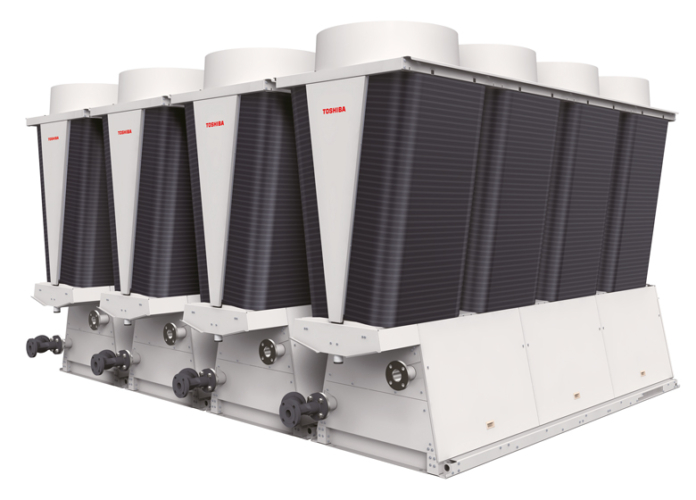
Two 150kW Toshiba USX Edge modular air-source heat pumps were installed in July 2024, delivering a combined 300kW of capacity. The installation marked the first deployment of the new-generation USX Edge system in the UK, selected for its compact footprint, modular flexibility and advanced energy efficiency.

โ€œThe NOVOTEL Edinburgh installation was a complex yet highly rewarding project,โ€ said Stuart Curtis, Managing Director of AlterTherm Group Ltd. โ€œThe space-saving X-frame chassis and modular design of the USX Edge units made it possible to install them easily, even in a constrained rooftop location. This system is a game-changer in light commercial HVAC solutions, and we continue to offer it to our clients. The success of this project has meant that we have since installed a second Toshiba USX Edge at another hotel in the hotel group and continue to enjoy preferred partnerships with both them and Carrier Solutions UK.โ€

The USX Edge features Toshibaโ€™s enhanced DC twin rotary compressor technology and an industry-first pulse width modulation (PWM) converter. These innovations reduce energy losses, improve power factor and eliminate harmonic currents. The units operate on lower GWP R32 refrigerant and deliver SEER ratings of up to 4.90 and a CoP of up to 3.62 depending on the model.

Remote monitoring and control via integrated wireless LAN functionality ensures the system can be managed and optimised in real time by both hotel staff and Carrier engineers. An essential benefit for the hotel was built-in redundancy: each USX unit features independent circuits to maintain operation in the unlikely event of failure, offering added peace of mind.

A key challenge of the project was maintaining hotel operations throughout. Careful planning of the equipment delivery, crane installation and commissioning process meant disruption was kept to a minimum. The crane lift was completed safely and efficiently during a late-night window, with surrounding roads temporarily closed to avoid local disruption.

The rooftop-mounted system now delivers year-round comfort for guests and staff at Novotel Edinburgh, with trackable performance and reduced environmental impact compared to the legacy R410A system it replaced.

Visit the Carrier Solutions UK website for more information on the Toshiba Universal Smart X Edge: www.toshiba-aircon.co.uk

BSRIA Refreshes Air Quality Hub to Mark Clean Air Day

BSRIA Living Lab

Considering that we spend approximately six and a half days a week indoors, the quality of the air we breathe within our buildings can have a significant impact on our health and well-being. Unseen factors, such as everyday pollutants and inadequate ventilation, can lead to poor indoor air quality (IAQ), quietly affecting our health, mood and productivity.

To mark Clean Air Day,ย BSRIA, the leading authority in building services testing, intelligence and research, is addressing this issue, with the release of its refreshedย Air Quality Hub. This enhanced resource centre is a vital toolkit, providing building and facilities managers with comprehensive guidance, testing protocols and practical solutions to improve indoor air quality (IAQ) in commercial and public buildings.

BSRIA’s Air Quality Hub offers expanded resources on IAQ testing, monitoring and improvement strategies, meticulously aligned with current certification standards including BREEAM, LEED and WELL.

“Poor indoor air quality can have significant impacts on building occupants, from short-term effects such as eye irritation and coughs through to more serious long-term health issues including respiratory infections,” said Calum Maclean, Specialist – Building Performance at BSRIA. “Our refreshed Air Quality Hub provides facilities managers with the knowledge and tools they need to create healthier indoor environments.”

The hub includes rigorous assessment protocols from UKAS, the UKโ€™s national accreditation body, insightful case studies, practical technical guides, and access to BSRIA’s extensive range of air quality measuring instruments available for hire or purchase.

Four Cost-Effective Actions for Building Managers to Improve Indoor Air Quality.

BSRIA experts have identified five practical, low-cost steps that building managers can take immediately to improve indoor air quality:

  1. Implement a thorough ventilation maintenance programmeย โ€“ Establish a regular schedule for inspecting and maintaining all ventilation systems. This should include visual inspection of ductwork for blockages, checking and cleaning air filters, ensuring fans are operating correctly, and verifying that air intake and exhaust points are unobstructed. Even simple maintenance can significantly improve system efficiency and air quality without requiring expensive equipment or specialist contractors.
  2. Conduct regular contamination auditsย โ€“ Perform visual inspections to identify common indoor pollutants and their sources. Look for visible signs of mould (dark spots on walls or ceilings), water damage (cracking, bubbling, or flaking surfaces), and areas with persistent odours. Document these issues with photographs and create a simple register of potential contamination sources that can be addressed systematically.
  3. Address problem areas with targeted solutionsย โ€“ Rather than implementing building-wide systems, focus on specific areas with known issues. Installing local extraction fans in high-humidity areas or areas with specific contaminants can be a cost-effective approach. Similarly, portable air purifiers can be deployed strategically in problem zones rather than throughout an entire building. BSRIA recommends monitoring carbon dioxide (CO2) levels to give indications of the overall air quality, with concentrations below 800 ppm considered good, 800-1000 ppm medium, and above 1000 ppm high, according to REHVA guidance for ventilation.
  4. Educate occupants and maintenance staffย โ€“ Develop simple guidance for building users about practices that affect air quality, such as proper use of cleaning products, reporting water leaks promptly, and not blocking air vents with furniture. Train maintenance staff to recognise early signs of air quality issues during their regular rounds. This human-centred approach costs little but can prevent many common IAQ problems.

“These five actions provide a practical, cost-effective framework for facilities managers to significantly improve indoor air quality without major capital investment,” said Maclean. “Carbon dioxide measurements are a key to checking the overall air quality in a space and are related to the ventilation rate and the occupation levels.”

He continued: “By implementing these measures, building managers can create healthier, more productive environments while potentially reducing energy consumption and operational costs. Many indoor air quality issues can be addressed through diligent maintenance and simple interventions before considering more expensive solutions.”

For more detailed information on BSRIAโ€™s Air Quality Hub, click here.

How EV charging engineering can help support the Governmentโ€™s ambition to install 300,000 charge points by 2030 and overcome existing challenges

Robert Nash, CTO of Petalite, the next generation electric vehicle (EV) charging engineering company

Approaching 2030, to meet both government and consumer demands around electric vehicle (EV) adoption, we are likely to see a much greater push to rapidly scale up EV charging infrastructure, making it more reliable and more accessible for a greater number of drivers.

While sustainable transport policies must include public transport, cycling, and other zero emission vehicles, it is also vitally important to recognise and support the challenges involved in switching from ICE vehicles to EVs.

To put this into context, as of the 1st May 2025, there were around 79,000 public EV charging points, meaning that for the government to meet its 2030 goals of at least 300,000 charge points, an additional 221,000 will need to be installed in the next five years. With nearly 1.5 million electric vehicles (EVโ€™s) currently on the UK roads, and 52% of drivers saying they are likely to choose an electric vehicle for their next car, changes are needed to meet the needs of current and future EV drivers. With the ZEV mandate banning new petrol and diesel car sales by 2030 (and hybrids by 2035), EV numbers on UK roads are set to rise sharply. However, research suggests that inadequate charging infrastructure within the UK is hindering EV adoption, creating โ€˜charging anxietyโ€™ and discouraging petrol and diesel drivers from making the switch. 

Lessons learned

Countless charge point technology lessons have been learnt so far, including the need for more reliable and rapid charge points. Occupied stations, technical difficulties, and payment issues are among the public charging issues that over four fifths (83%) of UK EV drivers have struggled with in the past 12 months.

As EV adoption grows, the 32.8% of UK households (9 million) who do not have access to a driveway means an increase in the number of people reliant on the public network. This has created โ€˜charging anxietyโ€™ with drivers concerned about when and where they will be able to charge their vehicle.

To further compound the issues affecting EV drivers, those relying on public charge points currently pay 20% VAT compared to the 5% charged for domestic energy, highlighting huge price discrepancies. It is clear that for the industry to succeed things needs to evolve, both in terms of technology and regulation.

Recent research shows public EV charging satisfaction is around 64%. Charge point operators see clear potential to improve the driver experienceโ€”boosting loyalty and revenue.

Investment

Within the market, charge point operators (CPOs) are looking to their hardware manufacturers to lead the transition and deliver the technical innovation that the industry needs in order to meet the government ambition and driver expectations. To assist with the EV uptake that the government is targeting, CPOs will be required to improve reliability, charger availability, charging speed, user experience, scalability and modularity, installation and maintenance, as well as access to grid connection across their sites. 

To help meet the governmentโ€™s expectation, and to encourage more people to switch to EV vehicles, investment in more reliable rapid and ultra rapid DC charges will also be required. A long-term fix is needed.

Delivering an effective solution

To help solve expansion problems and to address the pain points being experienced Petalite has developed and patented a future-proof technology solution, sinusoidal direct current which simplifies AC-DC conversion. This technology ensures that power from the AC three phase supply from the grid is balanced through a single conversion stage, performing power factor correction, rectification, galvanic isolation and current regulation. This enables next generation power distribution capabilities to provide a better charge point to site power ratio and give the best possible charging speed available to drivers. This solution has the opportunity to truly overcome current barriers in the EV transition and deliver future proofed EV charging infrastructure.

To reduce โ€˜charging anxietyโ€™ and to accelerate the rollout of EV adoption drivers require simplified technology, reliable charge points and scalable infrastructure that can easily grow in line with demand, all of which the Petalite solution has the ability to provide.

Deciding the rate at which infrastructure needs to be scaled up at is a major challenge CPOs are facing. Whilst a growing network of charge points will encourage more drivers to switch to EVโ€™s, in order to justify investing in more infrastructure, CPOs will need to feel confident that the demand is already there. Having future-proof technology that consistently works, optimises site power and considers user experience will help to demonstrate the value of driving an EV, and should help to encourage drivers to make the switch. In-turn CPOโ€™s will be motivated to invest in infrastructure, creating a virtuous circle and a more harmonious balance between supply and demand.


This article appeared in the June 2025 issue of Energy Manager magazine. Subscribe here.

Rinnai – Kaizen & Kanban principles deliver market leading quality

Chris Goggin

Chris Goggin explains the approach to the relentless pursuit of manufacturing excellence, including the two separate methodologies of โ€œKaizenโ€ and โ€œKanban,โ€ that are central to Rinnai manufacturing excellence.

Japanese manufacturing industries are acknowledged as global leaders in innovation, efficiency, and product durability and longevity. Japanese companies have consistently maintained their competitive edge and endured the test of time. As many use the โ€œKaizenโ€ and โ€œKanbanโ€ approach to manufacture.

These are two distinct methodologies that are adopted into the daily operations of Rinnai, and they ensure the highest levels of manufacturing standards. The term โ€˜Kaizenโ€™ has come to mean โ€œcontinuous improvement,โ€ in a professional context. A broader interpretation can be translated as continuous improvement in personal life, home life, social life and working life.

A Kaizen approach focuses on implementing gradual and incremental changes that will produce long-term improvements in professional efficiency and quality. The main principles that facilitate the concept of Kaizen are:

  • Know Your Customer
  • Let it Flow
  • Go to Gemba
  • Empowering People
  • Be Transparent

 โ€œKnow Your Customerโ€ identifies what is truly required by the customer to deliver an enhanced end-product that satisfies demand.

 โ€œLet it Flowโ€ concentrates on creating a smooth flow of processes and practices that identifies and eliminates production bottlenecks whilst reducing customer waiting times. This principle focuses on eliminating waste in all aspects of the commercial operation โ€“ waste is viewed as any culture or practice that does not benefit the customer or encourage professional productivity.

โ€œGo to Gembaโ€ translates as being always concerned with all matters in every department.

โ€œBe Transparentโ€ uses and measures data that improves company progress.

โ€œEmpower Peopleโ€ relates to providing appropriate tools to successfully complete group targets that maximise production efficiency.

Kanban is a philosophy that seeks to encourage continuous improvement in production and business methods by measuring project progress through visual Kanban boards. The Kanban methodology was invented by Toyota engineer Taiichi Ohno during the late 1940s. The term โ€œKanbanโ€ when broken down into two words from Japanese to English means โ€œKanโ€ (sign)โ€ and โ€œBanโ€ (board).

 A Kanban approach was employed to improve Toyotaโ€™s production system by incorporating elements of lean manufacturing into their process.  Kanban framework allowed Toyota to transition from a โ€œpushโ€ process (products are pushed on to the market) into a โ€œpullโ€ system (products that are created due to market demand). This idea allows companies to risk low inventory levels whilst remaining competitive.

Kanban is also referred to as the โ€œJust in Timeโ€ (JIT) system, as production can concentrate on creating products because of consumer demand as opposed to manufacturing products that rely on anticipated demand.

Kanban boards are organised into columns โ€“ each column contains visual cards that represent a task during a separate stage of work. The team can easily track task progress and share necessary information that assists in task completion. Kanban boards are an agile and fluid visual form of measuring group progress during the completion of a task. 

The creator of the Kanban framework Taiichi Ohno maintains strong links to Rinnai and has had a discernible influence and impact on Rinnaiโ€™s production system. Ohno visited Rinnaiโ€™s Japanese production plant and provided critical observations and advice that led to Rinnai adopting lean manufacturing principles that enhanced product producing efficiency.

Both Kaizen and Kanban frames of thought assist Rinnaiโ€™s manufacturing process that delivers millions of products per year all manufactured under strict guidelines of ISO 9001 quality management and ISO 14001 environmental management systems.  Ensuring Rinnai can deliver market leading warranties (up to 12 years) for its continuous flow of water heater range.

Commercial Condensing Water Heaters: Models: N-1300, N-1600 Internal, N-1600 External are all provided with a standard warranty of 3 years for all parts, which can be extended up to 12 years. For more information of the criteria for this warranty extension simply ask us a question today https://www.rinnai-uk.co.uk/contact-us/ask-us-question

Domestic Gas Multi-Point Water Heating: purchasing a Rinnai Tankless11i, 16i, 17i,17e means that customers will be provided with a 3-year warranty for the heat exchanger and all other components.

For further information pertaining to Rinnai warranties and products visit https://www.rinnai-uk.co.uk/contact-us/ask-us-question and ask us a question!

Additionally, after manufacturing and offering warranties, Rinnai offers a comprehensive range of FREE services to all UK customers. Rinnai offers system designs, carbon reduction calculations, technical services as well as commissioning and delivery to site in one single consignment.

โ€œRinnaiโ€™s services are designed to provide comprehensible purchase options, system design, CAPEX, OPEX and carbon calculations as well as whole consignment delivery to any UK site upon 24 hours of purchasing,โ€ says Technical Head Pete Seddon.

Rinnai’s specialist design team can provide a โ€œSite Consultation Formโ€ that details on-site data of current heating and hot water system capabilities. Customers can view the results in a rapid low carbon replacement suggestion by a professional team member.

Rinnai services include a carbon and cost comparison service that offers a free appraisal of any siteโ€™s current heating & hot water delivery system, along with empirically gathered data driven recommendations for reducing carbon load and all related costs.

If a customer encounters difficulties when selecting a product, a โ€œHelp Me Chooseโ€ service option is available at Rinnaiโ€™s website at https://www.rinnai-uk.co.uk/contact-us/help-me-choose-product. This service enables easier product selection through direct contact with a Rinnai professional.

www.rinnaiuk.com


This article appeared in the June 2025 issue of Energy Manager magazine. Subscribe here.

Natural Gas and SOFC: A Versatile and Scalable Solution for Distributed Power

Nick Lawrence

Nick Lawrence, Chief Product Officer of Ceres

Globally, electricity grids are facing increased strain due to the combination of rising demand, aging infrastructure and the need to integrate renewable energy sources. 

When a new opportunity needs a reliable, constant, power source, developers are facing issues with either slow grid connections (up to 10 years in the UK) or long project delays associated with traditional solutions (7-8 years).

Data centres, which are dependent on large-scale GPU arrays, consume a lot of energy. According to the UK National Grid Electricity System Operator, data centre electricity consumption is set to increase to just under 6% of the UKโ€™s total consumption by 2030. However, data centres are essential to countries who want to remain competitive in the age of data and AI. The challenge extends beyond powering the AI infrastructure; it involves the need of doing it quickly and in an environmentally friendly manner.

The urgency of connecting these data centres to an energy source, preferably a clean and sustainable one, is also at odds with the slow ‘time to power’ associated with traditional, electric grid connections. AI data centres require swift, flexible energy solutions that can keep pace with their rapid development timelines.

Solid Oxide Fuel Cell (SOFC) systems are a clear solution to this urgent need. They are both capable of running efficiently on natural gas and can be manufactured at scale in dedicated factories and delivered onsite in a faction of the time compared to other options. They are also modular, so have redundancy built-in, and generate power directly where itโ€™s used and so donโ€™t incur any electricity transmission losses.

Whilst one of the chief advantages of SOFCs is their fuel flexibility, being able to operate on a variety of fuels, including biogas, ammonia, and hydrogen, they were originally developed to operate efficiently on natural gas. We believe that by providing solutions that can use existing fuels such as natural gas today, whilst providing fuel optionality for future, presents a very strong use case for the industry.

Natural gas is not only widely available and is supported by extensive transmission networks, but also offers a cost-effective way to rapidly meet the energy demands of AI data centres.

A natural partner

Natural gas is an ideal partner for SOFC, with benefits on many levels. With extensive national transmission networks already in place, natural gas can be quickly and efficiently distributed to where it is needed most.

Importantly, the design of SOFCs allows for easier and lower-cost carbon capture, making them a more attractive alternative to gas turbines, even when powered with by natural gas.

The global supply of natural gas is abundant. Securing a reliable energy source for the long term and its transmission ensures significantly less energy loss during transport compared to electricity, which experiences substantial losses due to its conversion process. While its cost-effectiveness enhances its appeal, particularly for energy-intensive operations such as AI data centres.

Advancements in Ceresโ€™ SOFC technology are driving down production costs, increasing scale and reducing environmental impacts. As manufacturing processes improve and economies of scale are achieved, the cost of producing SOFC units decreases. This is then met with the relative low cost of natural gas supply. 

The affordability of natural gas as a source of energy is even more advantageous for systems and processes that, like data centres, require a constant, uninterrupted power supply to maintain 24/7 operations. The continuous and reliable power output of SOFCs meets the non-stop demands of global digital infrastructure, ensuring that data centres can function effectively around the clock.

This is why tech giants like Google or Microsoft have been exploring the use of SOFCs to power their facilities, increasing energy efficiency and decreasing reliance on grid electricity through research and pilot programs. In the case of Microsoft, the company has been exploring fuel cell technology since 2013 and, in 2020, it made part of their commitment to become carbon negative by 2030.

Equinix, which owns and operates over 260 International Business Exchange data centres worldwide, has also deployed alternative energy sources, including SOFCs, in some of its 73 locations across the globe. In Europe, the company has fully incorporated fuel cell technologies to reduce its carbon footprint.

While SOFC technology is still in early adoption stages, these examples show that large tech companies are actively exploring its potential to create cleaner, more reliable energy solutions for their data centres. This movement aligns with the industryโ€™s increasing focus on reducing energy consumption and increasing the use of renewable energy.

A cleaner future

SOFCs produce significantly fewer greenhouse gas emissions when compared to traditional power methods to further reduce the carbon footprint of the energy generation process.

Ceres is at the forefront of this technological evolution, working to enhance efficiency and reduce the costs of SOFC technology. Through strategic partnerships, and a commitment to research and development, Ceres is set to introduce advanced SOFC solutions that promise to be transformative for powering AI data centres. These developments will provide a cost-effective and environmentally responsible way to meet the burgeoning energy needs of the digital age.

www.ceres.tech


This article appeared in the June 2025 issue of Energy Manager magazine. Subscribe here.

Vital Energi secures PSDS 4 funding for projects worth ยฃ68m

โ€ข Westminster Compressor Life โ€“ Westminster City Council

In the latest round of the Public Sector Decarbonisation Scheme (PSDS), Vital Energi has supported clients across the country to fund renewable energy and heat network projects totalling ยฃ68m, accelerating their journey to net zero.

Vital Energi has successfully guided eight clients through the Phase 4 application process, securing ยฃ55.6m in funding for their projects. Including previous rounds of PSDS, this brings the total funding theyโ€™ve secured to an impressive ยฃ337.6m.

Clients in this round are from the healthcare, local authority, and transport sectors, and these groundbreaking projects will generate combined annual carbon savings of almost 8,500 tonnes, and over ยฃ1m in energy savings each year.

The projects will harness the latest technology and include energy solutions such as large-scale heat pump systems, the connection of existing public sector buildings to heat networks, solar PV, and a host of energy conservation measures, from LED lighting upgrades to pipework insulation.

Phil Mottershead, Project Development Director at Vital Energi, said:

“This latest round of PSDS funding is a testament to the power of collaboration and innovation in leading the transition to a low carbon future. By helping clients secure ยฃ55.6m for decarbonisation projects, weโ€™re not just supporting our clients to meet their decarbonisation targets, weโ€™re accelerating the UKโ€™s transition to a net zero future. These projects will deliver lasting environmental and financial benefits, and weโ€™re proud to play a key role in shaping a more sustainable public sector.”

PSDS is a UK government initiative that provides grant funding to public sector organisations for energy efficiency and low carbon heating measures in their buildings. Administered by Salix Finance, the scheme aims to reduce carbon emissions from public buildings by 75% by 2037.

PSDS 4 further advances the governmentโ€™s net zero and clean growth ambitions by prioritising funding for decarbonisation projects where heating systems are nearing the end of their operational life and require replacement.

Vital Energi has the in-house capability to complete feasibility studies, surveys and data analysis required to develop a qualifying scheme. They have the expertise to optimise the solution to ensure the project has the best possible chance of securing grant funding, and self-deliver the construction, operation, and performance guarantee over the lifetime of the asset.

About Vital Energi 

Vital Energi operates in the energy sector providing a comprehensive service including design and installation, operating decentralised energy generation and multi-utility network distribution schemes based on low carbon / zero carbon technologies. The company also provides tailored energy management schemes to measure, monitor and manage energy consumption. 

Vital Energi continues to produce energy efficient heat and power systems and consumption reduction solutions with long term cost benefits for clients in a broad range of markets including Healthcare, Education, Industrial, Commercial, Residential, and Local Authority. 

If youโ€™d like to know more about Vital Energi and the work they do, please visit http://www.vitalenergi.co.uk