
Financing green energy in high-risk markets: what needs to change

Zula Luvsandorj

Zula Luvsandorj

Financing clean energy in emerging and high-risk markets remains one of the greatest challenges in the global energy transition. These markets often have an abundance of renewable resources, rapidly growing energy demand, and in many cases the opportunity to design modern systems without being locked into outdated infrastructure. Yet despite this potential, investors are reluctant to commit. Political instability, unclear regulations, and underdeveloped financial markets combine to create an environment where even well-structured projects struggle to secure funding. Unless these barriers are addressed, the very countries that stand to benefit most from clean energy risk being left behind.

In my work across Europe, the Middle East, Africa, and now Mongolia, I have seen how these challenges play out on the ground. The reality is not a shortage of capital. Global investors are actively searching for climate-aligned opportunities. The real issue is the perception of risk and the lack of mechanisms that give financiers confidence that their money will be safe. If we want to unlock large-scale investment in high-risk markets, several things need to change.

Clearer rules and stronger policies

Certainty is the foundation of investment. In many high-risk markets, projects become stuck in lengthy approval processes, or investors find that policies change mid-way through development. To overcome this, governments need to establish clear, transparent frameworks that can withstand changes in political leadership. Stable feed-in tariffs, guaranteed grid access, and reliable permitting processes are not optional extras, they are the baseline conditions required to build trust with the private sector. Predictable regulation provides investors with the long-term visibility they need to make commitments that often stretch over decades.

Better ways to share risk

Investors will not move into high-risk markets without confidence that downside risks are managed. This means using financial structures that distribute risk more evenly between governments, development banks, and private capital. Blended finance, where concessional loans or guarantees reduce exposure for commercial investors, has already proven effective in unlocking projects that would otherwise have been considered too risky. Insurance products, currency hedging mechanisms, and credit enhancements are equally important. These tools do not eliminate risk entirely, but they create a financial environment where investment becomes not only possible but attractive.

A recent example of this in practice can be seen in Mongolia, where ACWA Power has entered the market and signed a USD 1 billion Memorandum of Understanding with the European Investment Bank. The agreement focuses on financing clean energy projects and mobilising private sector participation in green hydrogen development. It shows how collaboration between international developers, public financiers, and host governments can de-risk investment and establish the credibility needed to attract further capital into high-potential but underfinanced markets.

Stronger local capacity

A project is only as strong as the institutions and partners that support it. In high-risk markets, regulators and government agencies are often under-resourced and lack the experience to manage complex energy infrastructure. Building local capacity should therefore be seen as a priority, not an afterthought. This includes training for regulators, technical assistance for ministries, and the strengthening of local financial institutions. International developers should also view local partnerships as a strategic advantage. Strong domestic partners bring credibility, cultural knowledge, and community trust, all of which are essential to the long-term success of clean energy projects.

Changing the perception

Too often, investment in high-risk markets is framed as an act of charity or corporate social responsibility. This perspective is outdated and unhelpful. These economies are not simply recipients of aid; they are emerging growth markets with the potential to become future leaders in renewable energy production and even energy exports. Framing investment in these regions as a strategic opportunity, rather than a moral obligation, changes the conversation entirely. For many global investors, the recognition that these markets represent untapped potential could be the decisive factor in unlocking capital flows.

A call to action

The success of the global energy transition cannot be measured only in the progress of developed, low-risk countries. Its real test lies in whether we can mobilise investment at scale in the regions where it is most difficult, but also most necessary. Achieving this will demand courage and vision from governments, creativity from financiers, and determination from developers. If these groups work together, high-risk markets can become high-return opportunities, delivering resilient, low-carbon energy systems in the very places most exposed to climate change.

The barriers to financing clean energy in these markets are real, but they are not insurmountable. They are problems of design, governance, and perception, and each can be addressed with the right mix of reforms and partnerships. If we succeed, the transition will not only be faster and more effective, it will also be fairer, ensuring that no region is excluded from the opportunities of a low-carbon future.

Zula Luvsandorj is an energy strategist and global infrastructure finance expert with more than 15 years of international experience and over $20 billion in closed deals. She currently advises the Deputy Prime Minister of Mongolia on energy transition and sustainable investment strategy. An Oxford Saïd Executive MBA graduate and former Project Finance Advisor to the UK Government’s Cabinet Office, Zula has led major energy and hydrogen initiatives across EMEA. She is also Co-founder of Sunsteppe, a clean energy investment firm in Mongolia.


Zula – LinkedIn

Prefect Controls’ Irus+ControlSensor wins Commercial Product of the Year – Electrical Industry Awards

Prefect Controls, a leader in building services control and performance monitoring, is proud to announce that its Irus+ControlSensor has been awarded Commercial Product of the Year at the prestigious Electrical Industry Awards. The system is designed specifically for multi-occupancy properties such as student accommodation and hotels.

The judges commented. Prefect Control’s Irus empowers building owners and facilities managers with increased control over their energy use. The system’s ability to integrate at a highly granular level, ensures energy is saved in every corner of a building. This innovative approach sets Irus apart as a smart, future-focused solution for efficient building management.

The Irus+ControlSensor represents a step-change in energy efficiency and smart building management. Designed to deliver precise monitoring and control of space and water heating, leak detection and water wastage, Utility metering and kitchen safety, Irus provides building managers with real-time data to reduce energy consumption/cost, improve operational efficiency, and enhance occupant comfort.

“This award is a testament to the innovative approach we take at Prefect Controls,” said Will Mills Managing Director of Prefect Controls. “The Irus+ControlSensor is engineered to make buildings smarter, greener, and more comfortable for residents, particularly in student accommodation where operational efficiency and occupant wellbeing are paramount.”

Already installed across 180+ student properties, Irus has demonstrated measurable reductions in energy usage while maintaining optimal comfort levels, making it an essential tool for sustainability-conscious operators. The addition of ControlSensor brings with it many new and improved features and benefits including integrated Environmental and Occupancy Sensors, Temperature Control, and Direct-to-Room communications.

The Electrical Industry Awards celebrate excellence in innovation, design, and functionality within the electrical sector. The Prefect Controls’ win underscores the company’s commitment to developing cutting-edge solutions for modern building management.

For more information about the Irus+ControlSensor and its applications in student accommodation, visit prefectcontrols.com

About Prefect Controls:
Prefect Controls is a UK-based company specialising in energy management and building control solutions. With a focus on intelligent automation, sustainability, and occupant comfort, Prefect Controls provides solutions that enable efficient, smart, and environmentally friendly buildings.

Rinnai CPD Learn And Earn Bursaries Exclusively At Elemental Show

London Excel. November 19/20th 2025.

Rinnai UK’s new division – Rinnai Applied – is offering discretionary bursaries of up to £200 at this year’s Elemental Show in London for those signing up to and completing three key CPDs on issues and subjects which are currently of the highest priority to the building services industry. Eligibility includes all those working in the building services sector and obliged to undertake regular CPDs.

The Rinnai Applied CPDS attracting the bursaries are on the following subjects:

  • SPF – Season Performance Factors and Heat Pump Design
  • Introduction to Water Neutrality
  • Retrofitting Heat Pumps into the Leisure Sector through CCA & SPF Analysis

What to do next –

CPD places are limited so  please visit https://www.rinnai-uk.co.uk/training/elementallondon-cpd-sign  and sign up as soon as possible.. There are multiple bursaries available and to qualify for the awards you must complete the three CPD subjects between now and March 2026.

More about the Rinnai Applied topical CPD subjects.

The CPD on Seasonal Performance Factor (SPF)discusses the measure of a heat pump system – including pumps and ancillaries, overall energy efficiency over an entire heating season, considering variations in temperature and other system factors. This CPD helps with assessing the real-life performance of a heat pump system when in use.

The CPD on Water Neutrality looks, in detail, at a subject that will become increasingly important as UK water supplies become less accessible due to overpopulation and climate change. Rinnai aims to increase awareness of this issue as well as supply industry insight into the question: should water neutrality be added to national legislation?

The CPD on Retrofitting heat pumps looks at all aspects of this increasingly important subject. Heat Pumps can be readily fitted to existing or even older properties in both residential and commercial sectors. This CPD looks at the specific needs of retrofit in terms of design, appliance installation and meeting the heating and hot water demand. Also, Retrofit needs particular attention in terms of maximising energy efficiency.

All Rinnai CPDs are CIBSE approved. Rinnai Applied supports a transparent and educational approach to information sharing that provides specifiers, system designers, contractors, installers, and customers with nutritional knowledge that adds understanding.      

The Rinnai Applied stand at Elemental London will be dedicated to highlighting the design, supply and service of larger HVAC systems. The stand will be featuring the company’s innovative approach to offering the consultant, the HVAC design engineer, and end-users a complete specification process from systems choice and design, to comprehensive after sales services.

Applied Products in the HVAC sector are projected to expand in global growth rate by almost 7% in the coming few years, according to a leading market intelligence & research agency. The value of the 2024 global HVAC marketplace stands at approximately $280 Billion, and it is projected to rise significantly to $390 Billion by the end of this decade.

If you have any questions about the bursaries, please visit.

https://www.rinnai-uk.co.uk/contact-us/ask-us-question

For more information on the RINNAI product range visit www.rinnaiuk.com

Whitecroft Lighting adopts EU RED Directive

Leading UK lighting manufacturer strengthens cybersecurity with enhanced compliance

Whitecroft Lighting, one of the UK’s leading commercial lighting manufacturers, has voluntarily adopted an enhanced EU cybersecurity directive to protect increasingly smart and connected lighting devices.

New EU rules, known as Delegated Acts, are now in force under the Radio Equipment Directive (RED). First established in 2016, the RED Directive is a key piece of EU legislation that ensures wireless equipment meets essential requirements for security, health, and safety.

The latest connected devices, including smart lighting systems, require robust safeguards to protect user privacy and prevent data theft. By becoming an early adopter of the RED Directive in the UK, Whitecroft is reinforcing the security and integrity of its systems in anticipation of any future UK regulations.

Aligning with the RED Directive also enhances the security of systems that collect and store critical building performance data, such as Whitecroft’s flagship Organic Response.

It also ensures that lighting systems operate on standardised, regulated frequency bands, supporting seamless interoperability with IoT devices, BMS platforms, and other third-party building technologies.

As large-scale intelligent lighting installations gain popularity among building operators seeking to optimise energy efficiency and lighting quality, robust cybersecurity safeguards are essential to protect both the integrity of connected systems and the data they generate.

The Department of Work and Pensions (DWP) recently installed Whitecroft’s Organic Response at 129 sites across its UK estate, with an anticipated 80% increase in its lighting energy efficiency.

Organic Response is a smart lighting technology that features built-in sensors that automatically respond to occupancy and daylight levels, optimising lighting for comfort, efficiency, and energy savings.

Jason Casey, Technical Controls and Service Manager at Whitecroft Lighting, said: “Being RED Directive compliant is about setting standards and giving our customers confidence in our systems, rather than treating it as a tick-box exercise in bureaucracy.

“The EU is currently setting the pace in the IoT cybersecurity space, and staying ahead of the curve is part of our ethos.

“We’re already seeing demand from customers who want future-proofed lighting that is safe, secure, and built to last. They increasingly understand that opting for non-compliant systems, often manufactured offshore, although cheaper, can expose businesses to cybersecurity threats that can seriously compromise performance.

“This not only puts data and networks at risk but can also lead to costly disruptions, increased maintenance, and reduced lifespan of lighting infrastructure.”

Climate Minister praises Leeds PIPES Heat Network as “shining example” of innovation during visit

Pictured: Mike Worrall and Minister Katie White inside Leeds Beckett University Plantroom
Minister for Climate, Katie White, visits Leeds PIPES Heat Network

Katie White OBE MP, Minister for Climate, visits the 30km Leeds PIPES Heat Network, which has grown over 7 years to connect 4,100 homes and businesses, driving down both energy prices and carbon emissions.

Katie White OBE MP, Minister for Climate, recently toured the award-winning Leeds PIPES heat network, visiting key sites across the city to explore how the scheme has delivered outstanding decarbonisation and financial savings whilst acting as a catalyst for green job creation, skills development, and social value initiatives.

Her visit included stops at key buildings connected to the heat network, including Leeds Civic Hall and Leeds Beckett University, where she heard how connecting to the heat network reduced their carbon emissions by approximately 500 tonnes per year, whilst reducing energy costs by around £250,000 per year.

The tour then moved on to the Cross Green Energy Centre, which takes excess heat from the nearby Recycling and Energy Recovery Facility (RERF). The tour showcased the technologies and processes that convert waste heat into usable, low-temperature hot water and distributes it throughout the city.

Climate Minister Katie White said:

“Leeds PIPES is a shining example of how local leadership and innovation can deliver real progress on the path to net zero. This pioneering heat network, delivered by the council and Vital Energi, is not only cutting the emissions of home and commercial heating, but also creating hundreds of good jobs for local people, and driving investment into the community.

“I was delighted to see first-hand how waste is being harnessed to bring clean power to Leeds as part of the government’s clean energy superpower mission.”

The Minister was joined on her visit by Alex Sobel, MP for Leeds Central and Headingley. Also in attendance was a delegation from Vital Energi including Ian Whitelock – CEO, Mike Cooke – Managing Director, Abby Whitelock – Marketing & Communications Director, and Mike Worrall – Project Director.

Leeds City Council were represented by Joe Callin – Project Manager, Andrew Lingham – Senior Project Manager, and Councillor Katie Dye – Chair of the Climate Emergency Advisory Committee.

Mike Cooke, Managing Director of Vital Energi, added:

“The Leeds PIPES Project is about harnessing waste heat to deliver decarbonisation, but it’s also, about people. From the pipes in the ground to the construction of the energy centre, we’ve worked with the council to create 450 jobs in total and training opportunities with local education institutions, bringing people into the green energy sector and spending money with local businesses.

“These projects are developed for the community and to bring wider benefits to the people of Leeds and not just the key iconic buildings and homes connected. It has been great that the Minister for Climate has taken such a keen interest in Heat Networks, and we are hopeful that this is a strong indicator from the Government as to how important Heat Networks are to reducing the UK’s emissions.”

www.vitalenergi.co.uk

LEDVANCE simplifies energy billing with introduction of UMSUG codes for streetlight range

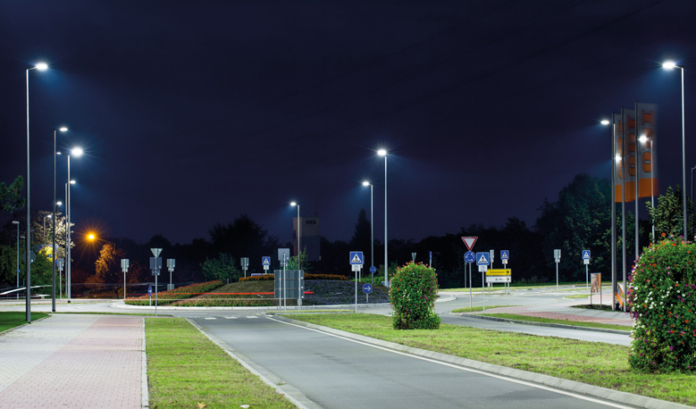
Leading manufacturer of sustainable lighting solutions, LEDVANCE, has secured UMSUG (Unmetered Supply User Group) codes for a number of its streetlighting lamps to further support its clients – particularly local authorities, councils and others with responsibility for town planning and management. 

The 13-digit UMSUG (or charge) codes are assigned to individual solutions, and enable the Unmetered Supplies Operator (UMSO) and Meter Administrator (MO) to accurately calculate the electricity usage for each unique luminaire.  

The codes allow for accurate billing when unmetered supplies are being used, and the usage has to therefore be calculated by the network operators. The use of the codes enables the accurate calculation of energy consumption, which in turn reduces the risk of over or under payments for the amount of electricity used.  

Using charge codes also supports improved operational efficiency. Not only does it save time and resources when compared to metered applications, it also allows for better auditing of equipment and forward planning with regard to energy consumption and maintenance.  

LEDVANCE’s range of streetlighting solutions have the ability to save significant levels of energy – up to 60% – when used instead of conventional HID (High-Intensity Discharge) lamps. LEDVANCE offers within the UMSUG Program 17 different LED replacement products for HID conventional Lamps, like HQL (High-Intensity Quantum Dots) LED and NAV LED, in different sizes, light colours and wattages, with a light output up to 11 700 lumen. 

Nelo Neves, Managing Director from LEDVANCE said: “By adopting UMSUG codes for a wide range of our streetlights, we are simplifying billing for many of our clients. There are many reasons to switch to LED streetlights for energy efficiency and improved lighting; and the addition of UMSUG codes makes the LEDVANCE solutions even more appealing.” 

 For more information you can always contact LEDVANCE UK

Why operational insight is the missing link in climate strategy

As organisations work hard to meet their net zero targets, many are investing in carbon offsetting and insetting strategies. However, without a clear understanding of the activities driving their emissions, these efforts risk becoming reactive rather than strategic.

TEAM Energy’s latest blog explores this challenge through an important lens: how measuring everyday operations, like travel, energy use, and digital infrastructure can unlock a smarter carbon reduction strategy and make way for action.

To enable organisations to measure their day-to-day operations is a new tool: TEAM’s Business Activity Carbon and Offset Calculator, which is designed to help organisations translate operational data into emissions and provides cost estimates for offsetting these emissions.

This calculator supports the growing demand for transparency and traceability in sustainability reporting. With frameworks like SECR and TCFD pushing for more granular data, and Scope 3 emissions accounting for over 70% of most organisations’ carbon footprint, the need for activity measurement has never been clearer.

Investors, regulators, and customers are no longer satisfied with lip service. They want proof of the work being done and this can only start with measuring the data.

The blog argues that understanding your organisations activity should be the starting point for any planned offsetting or insetting. That insight can inform everything from supplier engagement to sustainability initiatives when planning your formal carbon reduction strategy.

TEAM’s calculator offers a simple, accessible way to begin that journey and the blog goes further to explain how to connect the dots between operational insight and long-term climate impact.

Explore the full article and try the Business Activity Carbon and Offset Calculator.

Schneider Electric ranks No.1 in 2025 Guidehouse Research Leaderboard for Microgrid Integrators and named a Leader in Distributed Energy Storage Integration

Schneider Electric, the global leader in the digital transformation of energy management and automation, has been ranked No. 1 in the 2025 Guidehouse Research Leaderboard for Microgrid Integrators, and recognised as a top five company globally in the Distributed Energy Storage Systems (DESS) Integrators Leaderboard.

The rankings reaffirm Schneider Electric’s position as a global frontrunner in delivering resilient, sustainable and scalable energy solutions. Backed by its EcoStruxure™ platform, Schneider Electric offers a comprehensive suite of microgrid solutions from hardware, software and services, tailored to different levels of complexity from fully customised systems to standardised, modular offers. EcoStruxure™ Microgrid Flex for example delivers pre-engineered, modular systems such as the Energy Control Center, battery storage and microgrid controllers that are tested to work seamlessly together. This standardisation streamlines deployment, reduces engineering time and accelerates ROI, making advanced microgrids more accessible and scalable.

As organisations worldwide face mounting challenges from climate-related grid disruptions, rising energy costs and grid congestion driven by the accelerating pace of electrification, microgrids have become essential for ensuring energy availability, resilience and sustainability. Schneider Electric’s leadership in this space is not just recognised by industry analysts but is also demonstrated through transformative solutions deployed on customer projects.

Real-World Impact: From Wineries to Airports

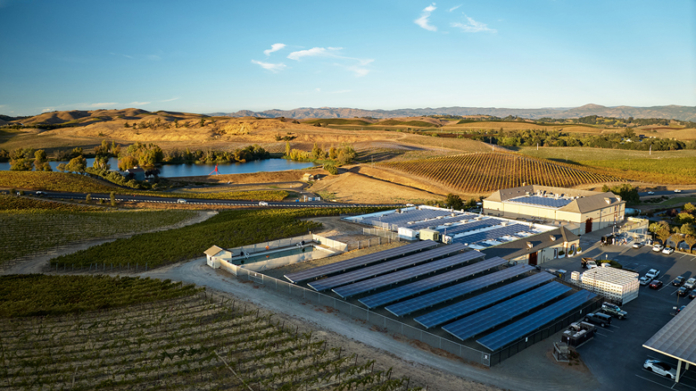
At Domaine Carneros, a renowned premium sparkling wine producer in the heart of Napa Valley, California, Schneider Electric delivered a microgrid that keeps the winery powered during outages, lowers energy costs and reduces emissions. The system includes solar panels, battery storage and advanced controls managed by EcoStruxure™ software. It saves over $70,000 a year, cuts generator fuel use by 70% and produces enough clean energy to power more than 100 homes, ensuring uninterrupted, high-quality wine production.

Similarly, at JFK Airport’s Terminal One in New York City, AlphaStruxure – a joint venture between Schneider Electric and Carlyle Group – is delivering one of the largest airport microgrids in the United States. This innovative system will provide resilient, low-carbon power to the terminal, supporting uninterrupted operations for millions of travellers and helping the airport achieve its ambitious sustainability targets.

These real-world examples reflect the strengths highlighted in the Guidehouse Research Leaderboards, where Schneider Electric earned the highest overall score of 90.5 for Microgrid Integrators, with standout ratings in Vision (91.8) and Execution (89.3).

“Extreme weather events, aging grid infrastructure and global energy price volatility are today’s reality which is putting added pressure on businesses to ensure energy continuity, reduce emissions and control costs. Microgrids are therefore essential to operations,” said Khaled Fakhuri, Senior Vice President, Microgrid at Schneider Electric.

“This recognition from Guidehouse Research validates that our approach directly addresses market needs to deliver resilient, software-driven energy solutions that help customers stay powered, sustainable and prepared for increasing frequency of disruptions.”

Schneider Electric’s leadership is anchored in its EcoStruxure™ platform, which integrates hardware, software, and services to deliver scalable, standardised microgrid solutions. With over 400 microgrids deployed globally, the company serves commercial and industrial customers, government agencies and remote communities.

“Microgrids are no longer niche solutions, they’re becoming foundational to how critical infrastructure and commercial operations manage energy,” says Grant Samms, Research Analyst with Guidehouse Research. “As organisations face mounting pressure to ensure continuity, control costs, and modernise legacy systems, the ability to deploy flexible, software-driven microgrids is transforming energy strategy from reactive to resilient.

About Schneider Electric

Schneider’s purpose is to create Impact by empowering all to make the most of our energy and resources, bridging progress and sustainability for all. At Schneider, we call this Life Is On.

Our mission is to be the trusted partner in Sustainability and Efficiency.

We are a global industrial technology leader bringing world-leading expertise in electrification, automation and digitalisation to smart industries, resilient infrastructure, future-proof data centers, intelligent buildings, and intuitive homes. Anchored by our deep domain expertise, we provide integrated end-to-end lifecycle AI enabled Industrial IoT solutions with connected products, automation, software and services, delivering digital twins to enable profitable growth for our customers.

We are a people company with an ecosystem of 160,000 colleagues and more than a million partners operating in over 100 countries to ensure proximity to our customers and stakeholders.

www.se.com  

Delivering low carbon heat & solving the energy trilemma for UK housebuilders

Neal Herbert

Neal Herbert, GTC Managing Director

As the UK transitions towards net zero, the pressure on housebuilders to deliver homes that are efficient, future-ready, and compliant with evolving regulation has never been greater.

Heating accounts for nearly one third of the country’s greenhouse gas emissions, making it a critical area for intervention. With the Future Homes Standard timetable banning the use of gas boilers in new-build homes imminently, housebuilders and developers must now find sustainable alternatives that are not only environmentally sound but also commercially viable and operationally scalable.

Enter, the funded, utility-grade networked ground source heat pump. These systems are redefining what’s possible in residential heating, addressing the threefold demands of the UK’s energy trilemma: ensuring long-term security of supply, keeping heating affordable for both developers and residents, and supporting the urgent goal of environmental sustainability.

At the heart of this solution is a robust and resilient heat infrastructure that extracts warmth from the stable temperatures found beneath the ground. Unlike traditional gas-based systems or more weather dependent air source alternatives, networked ground source heat pumps provide consistent and reliable heating and hot water all year round. This reliability is especially valuable in the face of increasing strain on national energy systems and ongoing volatility in international gas markets. Decoupling heat supply from these risks ensures that both developers and homeowners benefit from secure, predictable performance.

Affordability is also central to decarbonisation. Rather than burdening developers with upfront capital costs, GTC designs installs, owns, and operates the solution, covering the entire underground heat network on a regulated utility basis. This model removes technical and financial risk from site delivery and provides developers with a single, accountable partner across all utility services. For residents, the result is access to a low-carbon heating system that delivers consistent comfort at a lower operational cost, without the need to understand or manage complex technology.

A key enhancement to these systems is the integration of smart thermostats. These intelligent control technologies work seamlessly with networked ground source heat pump systems to optimise heating schedules in response to live weather forecasts, user behaviour, and occupancy patterns. By adjusting performance in real-time, these thermostats can significantly reduce unnecessary energy use, typically cutting consumption by 15 to 20% while improving in-home comfort. For developers, it also supports ESG reporting, evidencing operational carbon reductions, adding further value in a compliance-conscious market.

From an environmental perspective, networked ground source heat pumps represent a clear path to zero-carbon heating. These systems use electricity to power heat pumps that draw energy from the ground, offering up to five times the efficiency of gas and a 30% increase in efficiency compared to an individual air source heat pump.  A ground source heat pump is powered through electricity, delivering 3-4kW of renewable energy for every 1kW of electricity used. They are the most energy efficient heating technology available.  As the UK grid continues to decarbonise, these systems become progressively cleaner over time. Because the infrastructure is installed underground, it is protected from the elements, requires less maintenance than surface-level systems, and has a lifespan exceeding 50 years, making them a long-term, low-impact investment in a sustainable future.

Although air source heat pumps have gained traction in recent years, they are often less suitable for dense residential developments or sites with ambitious sustainability goals. Networked ground source heat pumps outperform air source heat pumps in almost every category. They operate at higher efficiency levels throughout the year, particularly during winter months when air temperatures fall and demand for heat is at its peak. This higher efficiency translates directly into consistent running costs for residents and reduced grid demand during peak periods.

Unlike air source heat pumps, which require outdoor fan units that can be visually intrusive and produce noise, networked ground source heat pumps are quieter and hidden away once installed. This makes them particularly valuable in high-density or planning-sensitive environments, where aesthetic and acoustic considerations are paramount. Furthermore, the heat source in a networked ground source heat pump system is entirely external to the home’s thermal envelope, eliminating internal heat gains that can contribute to overheating – an important consideration under the latest Building Regulations.

This brings us to the question of compliance. With the recent updates to Part L and Part O of the Building Regulations, achieving regulatory approval is no longer just a box-ticking exercise, it’s a key part of a home’s value proposition. Part L requires a 31% reduction in carbon emissions compared to previous standards. Networked ground source heat pumps contribute significantly to this target by reducing carbon emissions by 75-80% from day one. Part O, which focuses on reducing overheating risk, is also more easily met with ground source heat pumps, which avoid the need for indoor or roof-mounted units that generate excess heat within the home.

Looking ahead to the Future Homes Standard, due to take effect in late 2025, networked ground source heat pumps are already fully compliant. Their low-carbon credentials and high efficiency ensure that homes built today can meet tomorrow’s expectations without retrofitting or technical compromise. This is particularly valuable on large-scale developments, build-to-rent schemes, or high-rise projects, where consistent performance, simplicity, and long-term viability are essential.

In shaping the homes of tomorrow, developers are also shaping the communities of the future. This approach embeds low-carbon heat into the fabric of a development transforming heating from a technical afterthought into a core element of place-making and environmental stewardship. This infrastructure-first philosophy supports neighbourhood-wide carbon savings, lowers cumulative energy demand, and helps developers tell a credible sustainability story to local authorities, investors, and buyers alike.

Low-carbon heat is no longer optional, it is essential. As regulation tightens, consumer expectations evolve, and climate pressures intensify, the need for scalable, high-performance solutions becomes ever more urgent. Networked ground source heat pumps meet that need head-on. They provide a future-ready answer to the UK’s energy trilemma: ensuring homes that are secure, affordable, and sustainable by design.

www.gtc-uk.co.uk

Atlas Copco Rental introduces 4.6Ti+ Steam Boiler for emergency applications

Atlas Copco Rental introduces its new 4.6Ti+ steam boiler for emergency applications.

Atlas Copco Rental UK and Ireland has bolstered its steam offering with the introduction of a 4.6Ti+ Steam Boiler, a robust solution designed to meet urgent steam needs with efficiency and minimal environmental impact.

Tailored for industries requiring rapid response, the integrated unit offers powerful performance with a compact footprint, empowering customers to maintain operations without compromise.

The 4.6Ti+ Steam Boiler elevates Atlas Copco Rental’s commitment to sustainable and high-performance solutions. The unit’s integrated smoke economiser supports its 95% operating efficiency and its low NOx dual fuel burner, means it can operate on natural gas or oil.

Furthermore, key operating data is continuously collected and analysed to inform operations. Such as through the Variable Speed Drive (VSD) burner, which adjusts fuel and air intake to match the load demand, and the O2 regulation system monitors flue-gas oxygen levels and controls the fan speed accordingly. This intelligent monitoring not only maximises fuel efficiency and lowers emissions but also enhances reliability by ensuring stable steam quality and predictive maintenance.

Utilising Atlas Copco Rental’s ‘plug and steam’ approach, the unit can be mobile or integrated, ensuring a quick turnaround to avoid costly downtime. Its three-pass boiler shell ensures pressure consistency (16 barg design pressure) and steam quality.

Sean Clemens, UK Sales & Business Development Manager at Atlas Copco Rental, said: “I’m delighted that, through the new 4.6Ti+ unit, we can continue to support a wide range of industries with access to a small but powerful steam boiler that is not only highly efficient but is also environmentally responsible.

“The new unit joins the 8Ti Steam Boiler in our hypermobile “plug and steam” range, and offers even more flexibility compared to its larger predecessor. And with our strategically placed depots in Dundee, South Shields, Gloucester and Cork and a newly appointed dedicated Steam Sales Engineer we’re in a stronger position than ever to support our clients with steam in an emergency situation.”

The company will be hosting launch events of the 4.6Ti+ Steam Boiler across its UK depots to demonstrate its capabilities later in the year.

Atlas Copco Rental UK and Ireland specialises in the provision of state-of-the-art temporary compressed air, nitrogen, power modules and steam boilers for short or long-term demands, planned contingencies or unexpected emergencies.  

In addition to its rental assets, Atlas Copco Rental UK and Ireland also provides a host of supporting services including freight and logistics; installation, commissioning and decommissioning; fuel management and energy management; on-site operators; training, supervision, and specialist technicians.   

For more information, visit www.atlascopcorental.com