


Jeff Dewing No.1 bestselling author & CEO of Cloudfm
It is no secret the UK are currently far behind achieving 2050 net-zero targets. Despite the alarming scenes this summer; scorched and yellowing island, drought having been declared across England and the various heatwaves; the government still carries on burying their heads in the sand. There is an overwhelming unwillingness from political leaders to make the difficult decisions required to offset climate change and the future of the planet continues to be overlooked.
Rightly so, environmental groups have legally challenged the UK government and as a result, the high court has ordered the government to outline exactly how its net- zero policies will achieve emissions targets. Although this decision is a breakthrough moment in the fight against climate delay and inaction, forcing the government to put in place climate plans that will address the crisis, more needs to be done if we want to see real change.
Let’s face it, policies alone will not get us to net-zero, we need a lot of attitudes to change. To truly make an impact you need buy-in from as many people as possible and the best way to do that is to focus on behaviour.
Behaviour is No.1
The single biggest influence on reducing our carbon footprint is behaviour as it will enable us to create a collective difference. However, we cannot simply just tell people what to do, we need to involve them and make them realise we all have our part to play.
We need to sufficiently engage with the public to educate them about environmental challenges. Lack of understanding can contribute to unchanged consumption choices or behaviours. The 2020 Ipsos Global Trends survey revealed that more than one-third of respondents (37%) stated they were “tired of the fuss that is being made about the environment.” It is vital these attitudes are tackled head on, and businesses and the government take accountability in helping consumers make ‘greener choices.’ A third of consumers (32%) admit that they set out to make a sustainable decision, and then fail to follow through with it, highlighting the intention-action gap and the importance of making sustainable actions easier.
In order to change behaviour quickly and achieve greater momentum, we need to be able to present actionable insights to the very people that can affect change, and then deliver instant gratification on the outcome of their actions.
Utilising Tech Innovations
Behaviour may be key, but it still needs a little help from technology, which is one of the tools we need to use to drive net-zero.
There are various technological innovations that can be implemented to reduce our carbon footprints, make us less wasteful and drive the use of green energy. An effective way to drive these habits back home is through introducing these technologies in places we frequently visit – our workplaces, restaurants, hospitals, universities and schools etc.
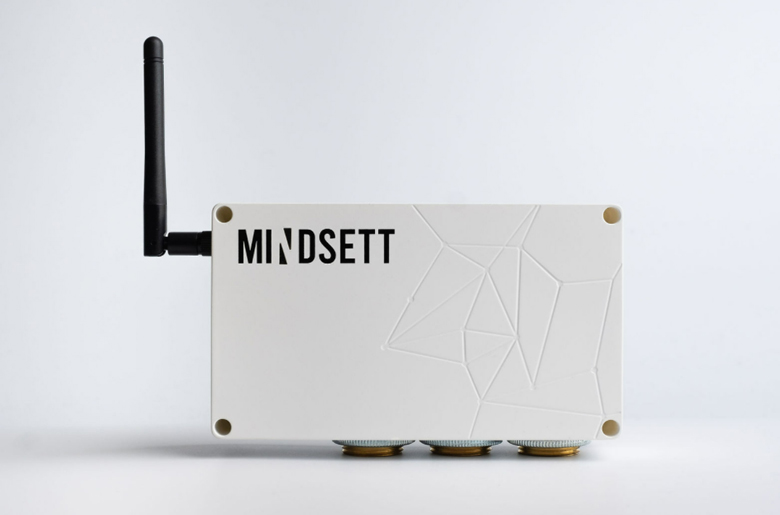
For instance, Mindsett has developed intuitive technology using IoT (Internet of Things), Machine Learning and Artificial Intelligence to monitor buildings and their assets with the aim to change employees’ mindsets, so they make healthier habits through meaningful, accessible and actionable tech. They are provided data in an easy-to-use mobile application that allows users to make early and easy decisions about energy consumption, whether that be turning off the hot water boiler outside working hours or shutting down energy on floors when people are not present.
It is an approach that Cloudfm itself has used to significant benefit, helping prevent the needless waste of energy and resources thus reducing carbon footprint. IoT technology has been proven to help businesses reduce their energy consumption by 20%, providing a substantial monetary saving and a significant CO2 reduction.
Government Needs to Step up
As much as policies are good and can be used to tax harmful environmental activities, provide tighter regulations and new environmental standards, we still need to go beyond this.
We need to make it as easy as possible for UK residents to reduce their carbon footprints. Many people may mean well but ultimately, we are slaves to convenience and the fact we are facing the cost-of-living and energy crisis makes it harder. Businesses and members of the public should not be put at a loss for doing the right thing. The government should implement more financing measures to influence positive sustainable behaviours.
It is within the government’s power to provide a tax incentive or grant to help fund the adoption of new technologies in homes, organisations and businesses that will help reduce energy consumption and benefit the environment by accelerating the road to net-zero.
It has become increasingly clear that the current response to the climate catastrophe is not going far enough. This is not simply about implementing a series of “well-meaning regulations,” but a vital response to what has become a clear existential threat. We need greater action now before things get worse.
