



Ian Berry, Development Director at t-mac, looks at how AI agents could change the way buildings are commissioned, monitored and managed.
Modern buildings produce a constant stream of information from meters, sensors, plant and connected devices. Finding the detail that matters can still take time. A facilities manager investigating a fault or a rise in consumption may check several reports and alerts before the cause becomes clear. Engineers at an unfamiliar site face a similar problem when records are incomplete or difficult to follow.
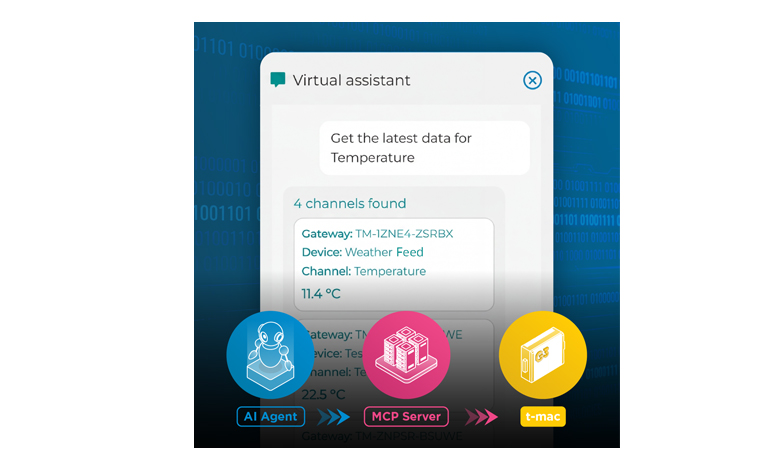
t-mac is tackling this through its Virtual Assistant and a set of AI agents. The assistant gives users a conversational way into the platform. They can ask for information, go straight to a device and review its data without working through several screens. It uses the account and permissions of the person logged in and can make authorised changes to outputs.
Developing Specialist Agents
The agents cover commissioning, facilities management and energy management. Their roles reflect work already carried out by building teams.
A facilities-management agent can watch operating conditions and flag patterns needing attention. An energy-management agent can review consumption, demand and cost across one building or an estate. This oversight helps teams handle more data without asking someone to watch every dashboard.
Each agent works within the user’s permissions, and designated actions still require approval. Responsibility stays with the engineer, facilities manager or energy manager overseeing the work.
Rethinking Commissioning
Commissioning shows where this approach could save time. Engineers may need to review wiring diagrams, equipment schedules, controller documents, manufacturers’ datasheets and network details before configuring devices, gateways and points in the platform.
Much of that work involves reading existing information and entering it into the system. The t-mac commissioning agent can interpret project documents and prepare the configuration. It can create devices and points, set communications details, check the setup against project requirements and prepare commissioning records. It can also flag missing or conflicting information before work proceeds.
An engineer reviews each stage and approves the configuration before it is applied. Tasks involving device setup and reporting, which can occupy several days, could be completed within minutes. Engineers would have more time for design decisions, validation, optimisation and customer needs.
Supporting Building Operations
Once a building is running, the agents can help teams make sense of alarms, performance changes and unusual consumption. An alert might bring together operating conditions, device history and consumption data, giving the facilities team somewhere useful to begin its investigation.
As the technology develops, agents could carry out approved routine actions, such as changing an output or adjusting an operating setting. The system would retain a record of what was recommended, approved and completed.
The energy-management agent could eventually connect the way a building operates with the way its energy is bought. By reviewing consumption patterns, peak demand and cost drivers, it could show how operating schedules affect expenditure. In time, it could compare available tariffs with the building’s consumption profile and support future contract decisions.
The result would be a building-management team supported by digital colleagues with clearly defined jobs. Their usefulness will rest on measures such as the quality of their work, the problems they help uncover and the time they give back to skilled staff.
t-mac will unveil its Virtual Assistant at this year’s Smart Buildings Show. Visitors can see it in action and discuss how specialist agents could support their buildings and estates.
About the Author
Ian Berry is Development Director at t-mac, where he leads the development of building and energy-management technology that helps people access, understand and use operational data.
This article appeared in the October 2026 issue of Energy Manager magazine. Subscribe here.
