


The Royal Parks is the charity that cares for the most famous collection of urban parks in the world. Its role is to manage, protect, and improve the parks in an exemplary and sustainable manner so that everyone, now and in the future, has the opportunity to enjoy their natural and historic environments.
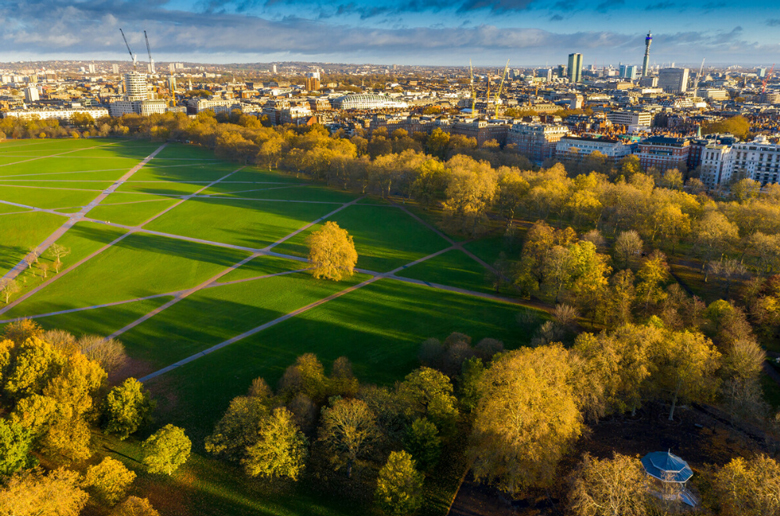
The charity looks after eight of London’s finest open spaces, managing 5,000 acres of historic parkland. These are: Hyde Park, Kensington Gardens, St James’s Park, The Green Park, The Regent’s Park and Primrose Hill, Greenwich Park, Richmond Park, and Bushy Park. It also manages other important open spaces in the capital, including Brompton Cemetery and Victoria Tower Gardens.
It costs around £75m a year to manage the parks. The charity raises around 85 percent of its income independently with the remaining 15 percent funded through our contract with Government.
The Net Zero challenge
Climate targets have become a central strategic priority for any organisation in recent years. This is especially relevant for UK-based organisations, as the United Kingdom was the first major economy to set a Net Zero 2050 target as a result of a 2019 amendment to the Climate Change Act 2008.
The Royal Parks has taken decisive steps to meet these targets.
The Royal Parks’ ambition to meet Net Zero
The charity is committed to eliminating all emissions from fossil fuels from The Royal Parks’ directly controlled operations to achieve ‘Operational Net Zero’ and switch to renewable energy sources by 2030. This is an important first step as the charity is addressing direct impacts first before addressing the wider value chain emissions. The Royal Parks is working towards Net Zero by 2050, which means a reduction in indirect greenhouse emissions from sources not owned or controlled by The Royal Parks – these are known as Scope 3 emissions. An important step in this journey is working collaboratively with suppliers and contractors to reduce emissions from “goods and services”, which are responsible for over 80 per cent of The Royal Parks’ scope 3 emissions.
The United Nations Intergovernmental Panel on Climate Change defines Net Zero emissions as when “anthropogenic emissions of greenhouse gases to the atmosphere are balanced by anthropogenic removals over a specified period”.
What is The Royal Parks charity doing to meet these targets?
The Royal Parks has already taken decisive action to reduce emissions and is initially targeting the emissions within its direct control, for example emissions caused by directly burning fuel – known as ‘scope 1’ emissions.
Pedro Flores, Head of Sustainability at The Royal Parks, says: “We are committed to eliminating fossil fuels, moving towards renewable energy to power all our operations, by 2030, and improving energy efficiency of our operations to create sustainable parks for future generations.
“We have tackled the emissions associated with natural gas consumption, responsible for over 70 percent of our direct (scope 1) emissions, for example the gas used to heat buildings. We have witnessed a 12 percent reduction in tCO2e for scope 1 emissions since the financial year, 2023 to 2024.

“We have switched to sourcing biomethane. This renewable energy is produced from waste, processed into biogas and then refined into biomethane. All the biomethane we buy has been sourced sustainably, backed by Renewable Gas Guarantees of Origin (RGGO) certification.”
Work in this area includes switching from gas oil to hydro-treated vegetable oil (HVO) to providing heating in the nursery in Hyde Park. As well as switching to an electric vehicle fleet, the charity has stipulated that contractors should switch from diesel-powered machinery and equipment – from sweepers to power tools – wherever there is an electric-powered alternative.
Simultaneously, the charity is also targeting the emissions created from the energy that the organisation purchases and uses, for example emissions associated with lighting in buildings, our vehicles, park lighting and event power – known as scope 2 emissions.
“All our electricity is now sourced from renewable sources, backed by Renewable Energy Guarantee of Origin certification (REGO). This provides transparency and credibility to our energy procurement process, ensuring full traceability in our energy providers’ supply chain,” adds Flores.
In 2023, the charity added the impact of major events into its carbon footprint calculations, in order to be transparent and ambitious in its commitment to its journey to working towards Net Zero by 2050. The charity has switched to HVO-powered generators from diesel for all its events – including major events such as from British Summer Time, Hyde Park, and Hyde Park Winter Wonderland.
The Royal Parks will continue to review its scope 3 boundary (which currently captures fuel emissions related activities, waste operations and sections of purchased goods and services).
Case study – switching to an electric fleet
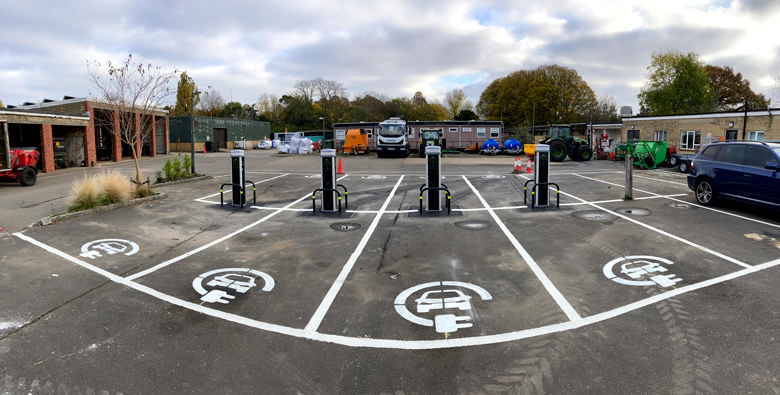
The Royal Parks charity has been working towards a 100 percent electric vehicle fleet to manage operations across the parks, as suitable alternative EV vehicles become available. Electrifying the fleet is a preferable alternative to using traditional fuels, such as petrol and diesel. This lowers the carbon footprint as the charity is not relying on traditional fossil fuels, which emit substantial amounts of greenhouse gases when burned. Electrical vehicles also contribute to improved local air quality, as they don’t release nitrogen oxides. By using electricity from renewable sources, the charity is charging its EV fleet with clean energy, thus decreasing overall emissions across the supply chain.
