



Victoria Mustard, Decarbonisation Strategy Lead at Xoserve.
In 2023, I asked guests on Xoserve’s podcast, Decarb Discussions, to participate in a little thought experiment about the future of energy. Using a theoretical “magic wand” that would eliminate all constraints on energy systems, they had one wish to bring about the energy system of the future. As we welcome the new year and make our resolutions for 2024, let’s look at what energy experts from the commercial, academic, and non-profit sectors wished for.
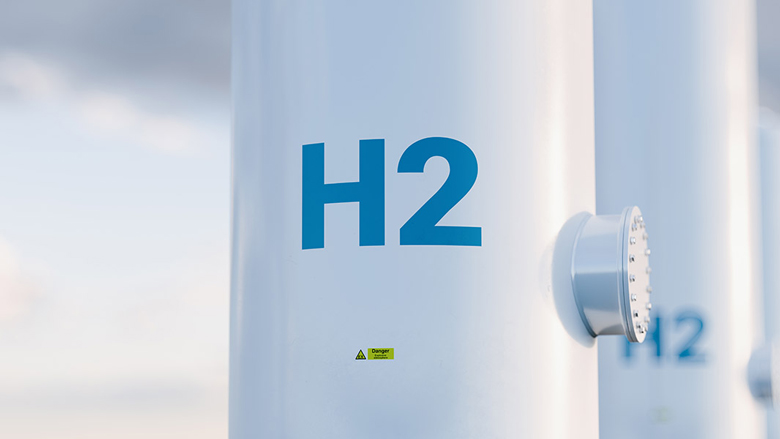
Developing a hydrogen economy
One widely discussed solution is hydrogen. As part of Britain’s net zero strategy, it could help decarbonise gas, provide seasonal storage, and keep hard-to-abate sectors moving forward. To boost the hydrogen economy and bring the UK to the forefront of decarbonisation, Charles Perez-Storey, Principal Engineer at Progressive Energy wished for “blending to be sanctioned, for the Gas Safety Management Regulations change to happen, and by 2025 let’s have all the barriers removed and get ahead of the game again.
The UK has fallen behind America and Europe in decarbonisation, so achieving those three things will be fantastic.”
Part of Charles’ wish did become a reality, with the Government announcing it would support the blending, up to 20%, of hydrogen in the gas networks following industry trials and a safety assessment. The power of the podcast magic wand!
Alex Brightman, Hydrogen Home Coordinator at Northern Gas Network also believes hydrogen will play a critical role in Britain’s future energy mix and asked to “get some decent green hydrogen production. It’ll benefit not just those who are on the gas network but everybody.”
Unfortunately, Alex’s wish was not realised before the Government announced the hydrogen heating village trial in Redcar, expected to start next year, would not move forward as the main source of green hydrogen supply would not be available.
A boost for net zero fuels
As well as hydrogen, policymakers and the energy industry, are exploring other solutions for decarbonising gas, including biomethane. John Baldwin, the Managing Director of CNG Services, believes that biogas is a valuable energy solution, but is aware that barriers created by inefficient planning processes hinder the implementation of renewable gas projects. To address this issue, John requested that “the government should chat with the Environmental Agency and come up with fit-for-purpose rules and processes. We don’t want to take shortcuts, but we just don’t want to spend years over quite trivial things – that’s not the way to decarbonise.”
Thomas Baxter, Senior Lecturer at the University of Aberdeen thinks nuclear fusion could offer a solution to meeting energy consumption demands. Providing a safer reaction process to nuclear fission used in power plants that doesn’t create long-lasting radioactive waste. He said about safe nuclear fusion, “you could get limitless energy” but expressed frustrations with the fact that nuclear fusion continues to be a long time coming. ”It’s 20 years away, and it’s always been 20 years away” and so if he could, he would bring about developments in this area – “that would be pretty neat.”
The final guest for 2023 on Decarb Discussions was Matthew Cole, the Head of the Fuel Bank Foundation. When asked what he would resolve, he said: “I’d make properties more energy efficient and just make sure that we use the energy we need to, then people’s bills would reduce straight away.
Even if you’re struggling to pay, then your house is suddenly warmer because it’s more energy efficient. That would be my big wish, but it has to be a really big wand because it’s an expensive thing to do.”
This hypothetical question – what would you do if you had a magic wand? – is a light-hearted end to the podcast’s in-depth look at the challenges and potential solutions around decarbonising gas, as well as Britain’s journey to net zero from all perspectives of the energy industry. It offers a fascinating insight into what experts in their field envision for our energy future.
Only by sharing these ideals can we hope to develop a plan to achieve them. There is not one wish or one fuel that can solve net zero but with collaboration, investment and policy decisions, we may be able to achieve some of these aspirations. Hopefully, they aren’t inconceivable and may be an integral part of achieving the UK’s emission targets.
